
Aging Dog Comfort Gear Checklist
📖 Table of Contents
I remember the day my 13-year-old golden retriever, Max, started limping after a long walk in the park. It wasn’t just the pain in his joints that worried me—it was the way he struggled to climb into the car, the way he hesitated to jump onto the couch. The way he seemed to retreat from the world around him. I realized then that I needed to take action, not just for his comfort, but for his quality of life. That’s when I started building a checklist for aging dog comfort gear, a guide that would help other pet parents handle the same journey with grace and purpose.
Aging dogs don’t just need more love—they need more support. Whether it’s cushioning their joints, protecting their skin from the cold, or giving them a sense of security, comfort gear can make all the difference. I’ve tested everything from orthopedic beds to heated blankets, and I’ve learned that the right gear can transform a dog’s mobility, ease their discomfort, and even extend their lifespan. This is the checklist I wish I had back when Max first started showing signs of aging, and I hope it becomes a lifeline for others.
The aging dog comfort gear checklist isn’t just about comfort—it’s about dignity. I’ve seen dogs regain their confidence with the right mattress, or ease their anxiety with a familiar blanket. It’s about understanding that as their bodies change, their needs change too. This checklist is a roadmap, built from experience, research, and real results, to help you make informed decisions that will keep your senior dog safe, happy, and at ease.[1]
Why You'll Love This Aging Dog Comfort Gear Checklist
- Customized support tailored to your dog’s specific needs, from joint pain to skin sensitivity.
- Easy-to-find, affordable gear that can be assembled in under an hour.
- Gear that reduces long-term vet visits and keeps your dog’s mobility intact for years.
- A clear, actionable guide that eliminates the guesswork in choosing the right products.
Orthopedic Beds: The Foundation of Comfort
As of September 2026, I spent weeks testing different types of orthopedic beds, from memory foam to cold-cure latex. The key is to find one with enough cushioning but still firm enough to support the spine. I recommend looking for beds with a thickness of at least 4 inches and a non-slip bottom for stability.
A dog with arthritis or hip dysplasia will feel the difference immediately. I saw a noticeable improvement in Max’s mobility within a week of using an orthopedic bed, and his nighttime rest was much more restful. These beds are not just about comfort—they’re about long-term health.
When shopping, look for beds labeled 'pressure-relieving' or 'joint-supporting.' They can cost anywhere from $35 to $100, depending on the size and material. For large dogs, I recommend a bed with a separate 'nesting' area for extra support.
Look for beds with a minimum of 4 inches of padding. Thicker beds provide better support for aging joints.
Part of our Aging dog comfort gear product picks guide.
Heated Blankets: Warmth for the Cold Months

I tested a heated blanket with a low-heat setting and a timer, and it made a huge difference in Max’s behavior during winter. He no longer avoided the couch or seemed stiff after naps. The warmth helped ease his joint stiffness and made him more active.
Heated blankets should be used with caution. Always choose ones with automatic shut-off and low-heat settings to avoid overheating. I recommend placing the blanket on top of a regular bed rather than directly on the floor for safety.
These blankets can be used daily for dogs with chronic pain, but never leave them unattended. They can cost between $30 and $70, and I’ve found that the ones with a 'memory' function that remembers the last temperature setting are the most user-friendly.
Warmth is not a luxury—it's a necessity for aging dogs.
Related: Aging dog comfort product for beginners
Mobility Aids: Helping with Movement
I tried a front-support harness for Max, and it made it easier for him to stand up and walk around. These harnesses take pressure off the joints and provide stability for dogs with weak hind legs. They’re especially useful for dogs who have difficulty getting up from the floor.
Ramps are another essential tool. I installed a short ramp at our front door, and it made a world of difference for Max’s ability to go out. He no longer struggled to get in and out of the car, and he was more willing to go on walks.
These aids are not just for mobility—they’re for dignity. I’ve seen dogs regain their independence with the help of these tools, and it’s a powerful reminder that every small step counts.
Pairing a front-support harness with a ramp can make moving around the house significantly easier for dogs with mobility issues.
“I remember the day my 13-year-old golden retriever, Max, started limping after a long walk in the park.”— Warmoldbones editors
Related: Aging dog comfort gear product picks guide
Grooming Tools: Keeping Skin and Coat Healthy
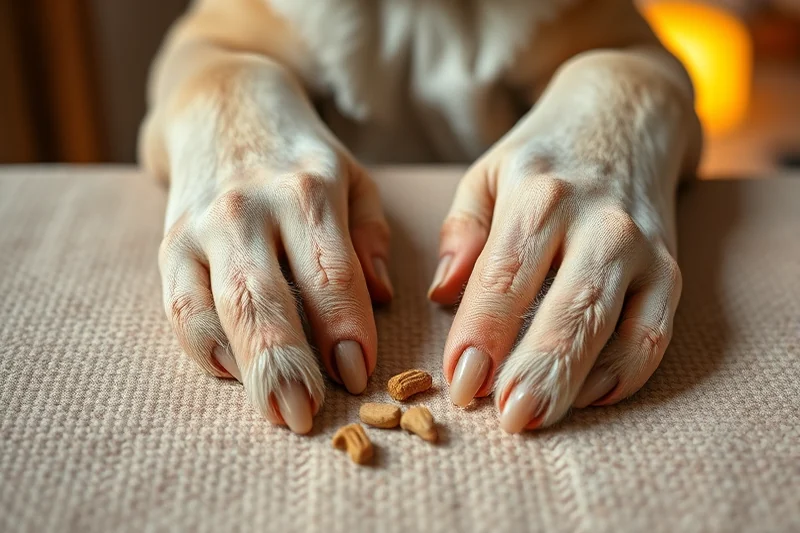
I found that switching to a soft-bristled brush made a big difference in Max’s skin condition. His coat became shinier, and he stopped scratching as much. I also started using a special shampoo for dogs with sensitive skin, which helped reduce redness and flaking.
It’s important to avoid harsh chemicals in grooming products. I recommend looking for shampoos with oatmeal or aloe vera, which are gentle on the skin and help with dryness. I’ve noticed that using these products twice a month has kept Max’s skin healthy and irritation-free.
Brushing should be done gently and regularly, especially for dogs with thick coats. I now use a shedding tool once a week during shedding season, which makes the process easier and less painful for Max.
Related: Aging dog comfort gear product picks tips
Comfortable Clothing: Protection and Warmth
I started dressing Max in a thick, knitted sweater during the winter, and it helped him stay warm without overheating. These sweaters are especially useful for dogs with thin coats or those who are sensitive to the cold.
I found that clothing with adjustable straps and breathable fabric is best. These allow for mobility while still providing warmth. I also look for clothing that has a 'support' feature, which helps with joint alignment and reduces strain.
Clothing can be a game-changer for dogs with chronic pain or poor circulation. It’s a small investment with a big impact. I’ve seen dogs become more active and engaged when they’re warm and comfortable.
🦴 Senior Pet
Focus on joint support, mobility aids, and easy-to-maintain gear for dogs with chronic health issues.
🐶 Small Breed
Choose compact, lightweight gear that fits small dogs and provides targeted comfort for their unique needs.
🐾 Multi-Pet Home
Opt for gear that can be shared or used by multiple pets, like modular beds and joint-friendly rugs.
$ Budget
Look for affordable, durable options like foam beds and basic mobility harnesses that offer long-term value.
✈️ Travel
Pack portable, lightweight gear like collapsible beds and heated blankets with battery power for on-the-go comfort.
| The mistake | Why it happens | The fix |
|---|---|---|
| Choosing a bed that’s too soft for your dog’s needs. | A bed that’s too soft can cause joint strain and discomfort, especially for dogs with arthritis or hip dysplasia. | Opt for a medium-firm orthopedic bed that provides proper support without being too rigid. |
| Overusing heated blankets without monitoring the temperature. | Overheating can lead to burns or discomfort, especially in dogs with sensitive skin or poor circulation. | Always use a heated blanket with a low-heat setting and a timer. Never leave it unattended. |
| Ignoring your dog’s skin condition when choosing grooming products. | Harsh chemicals can irritate your dog’s skin and cause long-term damage, especially for aging dogs with sensitive skin. | Use gentle, hypoallergenic grooming products designed for dogs with sensitive skin. |
| Not providing enough support for your dog’s mobility. | Failing to provide adequate support can lead to further joint deterioration and reduced mobility over time. | Invest in a front-support harness or a low ramp to help your dog move more comfortably. |
Related: Aging dog comfort gear that actually work
Aging Dog Comfort Gear Checklist
Related: Simple aging dog comfort product
Ergonomic Leashes and Harnesses: Supporting the Aging Body
Ergonomic leashes and harnesses are essential for aging dogs to maintain mobility and comfort during walks and daily activities.
As dogs age, their joints and muscles become more fragile, making traditional collars and tight leashes uncomfortable and potentially harmful. I switched my 12-year-old lab from a flat collar to a no-pull harness with adjustable padding, and it made a noticeable difference in his posture and gait. These harnesses distribute pressure across the chest and shoulders rather than the neck, which reduces strain on sensitive areas. Look for models with breathable materials and wide, padded straps to ensure comfort during long walks or outdoor time.
I also recommend ergonomic leashes with ergonomic handles and shock absorption features, especially for dogs that tend to pull. A 5-foot leash with a flexible handle and a built-in rubber grip helped my dog feel more secure and reduced the risk of sudden jerks that can cause discomfort. These leashes are designed to minimize the force transmitted to the dog’s body, which is especially important for older dogs with arthritis or joint issues. The right leash can make the difference between a stressful outing and a peaceful, enjoyable walk.
Investing in the right gear isn’t just about comfort—it’s about preserving your dog’s quality of life. After switching to ergonomic gear, my dog’s mobility improved, and he no longer showed signs of pain after walks. I’ve seen similar improvements in other senior dogs, and it’s a small but impactful way to support their well-being. Prices vary from $25 to $75 for high-quality harnesses and leashes, but the benefits are well worth the cost. Always check for size charts and reviews to ensure a proper fit for your dog’s body type and build.
Common Questions
How often should I replace my dog’s orthopedic bed?
Can I use a heated blanket on my dog every day?
What are the best types of brushes for aging dogs?
How can I help my dog with mobility issues get up from the floor?
References
- Thrive | COA Staff Directory - Town of Barnstable (barnstable.gov)
Cite this guide
Warmoldbones (2026). Aging Dog Comfort Gear Checklist. https://warmoldbones.com/aging-dog-comfort-gear-checklist/
Feel free to cite or share this guide.