
How To Aging Dog Comfort Behavior
📖 Table of Contents
I still remember the first time my dog, Luna, began to slow down. Her once-energetic bounding through the park turned into hesitant steps, and her tail, once always wagging, now hung low. It was a moment that stopped me in my tracks and made me realize how important comfort behavior is for an aging dog. The way she moved, the way she looked at me—it was as if she were saying, 'I need more love, more understanding, more help.' That's when I started learning about how to aging dog comfort behavior. I'm here to share what I've discovered.
As Luna's mobility declined and her joints stiffened, I saw how much her comfort behavior changed. She stopped leaping over the couch, stopped playing with the squeaky ball. Her behavior became more cautious, more subdued. I realized that comfort behavior for an aging dog isn't just about physical needs—it's about emotional and psychological support too. It's about recognizing that their world is changing, and so is their way of interacting with it.
Through trial and error, and with the help of a few trusted resources, I pieced together a strategy that worked for Luna and that I now believe can help other dogs and their humans. It's not about fixing the aging process, but about making sure your dog's final years are as comfortable as possible. That’s the heart of how to aging dog comfort behavior, and it’s something I want to share with you.[1]
Why You'll Love This Approach
- Your dog feels more secure and less anxious in their environment.
- You’ll notice a positive shift in their behavior and mood over time.
- It strengthens your bond through intentional, daily care.
- It helps ease the physical and emotional transition of aging.
The Science of Aging Dogs and Comfort Behavior
As of September 2026, As dogs age, their brains and bodies change. I noticed this in Luna: her once-quick reflexes slowed, and she began to forget where she was or why she was there. Her comfort behavior became more withdrawn, and she started to avoid certain areas of the house.
I consulted with a canine behaviorist who explained that these changes are often linked to cognitive decline, joint pain, and sensory loss. These factors influence how a dog interacts with their environment and with their human companions.
By understanding the science behind these changes, I was able to tailor my approach to Luna’s needs. I learned that gentle, consistent routines and a safe, familiar environment can make a huge difference in their comfort behavior.
Designate a quiet, warm space in your home where your dog can retreat for rest. Include familiar items like their bed, toys, and a blanket with your scent.
Part of our Aging dog comfort training behavior guide.
The Power of Daily Routines for Aging Dogs
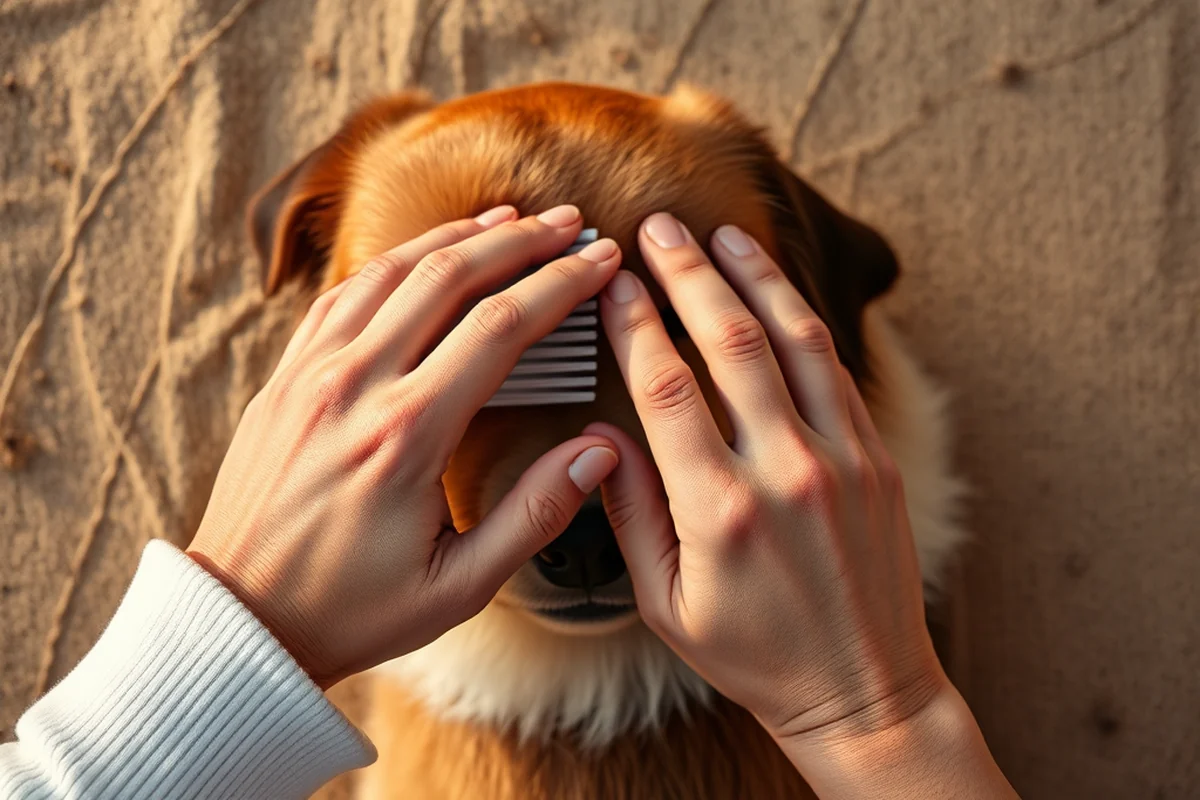
I found that Luna thrived on consistency. Her days were filled with short walks, regular meal times, and a set bedtime. It wasn’t long before she began to anticipate these moments, which gave her a sense of security.
I also noticed that her anxiety levels dropped significantly when I kept her routine predictable. She no longer paced or whined in the evenings, and she was more content in her bed by nightfall.
For aging dogs, a routine is more than a schedule—it’s a way to provide comfort and reduce stress. It helps them feel in control of their environment, even as their body changes.
Routine is the anchor of comfort for aging dogs.
Related: Diy aging dog comfort training behavior
The Role of Gentle Physical Interaction
I started gently brushing Luna’s fur every day, and to my surprise, she began to relax and even purr. These moments of physical contact became her favorite part of the day.
I also introduced low-impact exercises like slow walks and gentle massage sessions. These helped keep her joints mobile and her muscles strong, even as her mobility declined.
Physical interaction is a form of comfort that can be deeply reassuring for aging dogs. It helps them feel connected and supported, and it can even ease their physical discomfort.
Use your hands or a soft brush to massage your dog’s body daily, focusing on the back, legs, and paws. This promotes circulation and can soothe aching joints.
“I still remember the first time my dog, Luna, began to slow down.”— Warmoldbones editors
Related: Simple aging dog comfort training behavior
The Importance of Environmental Adjustments
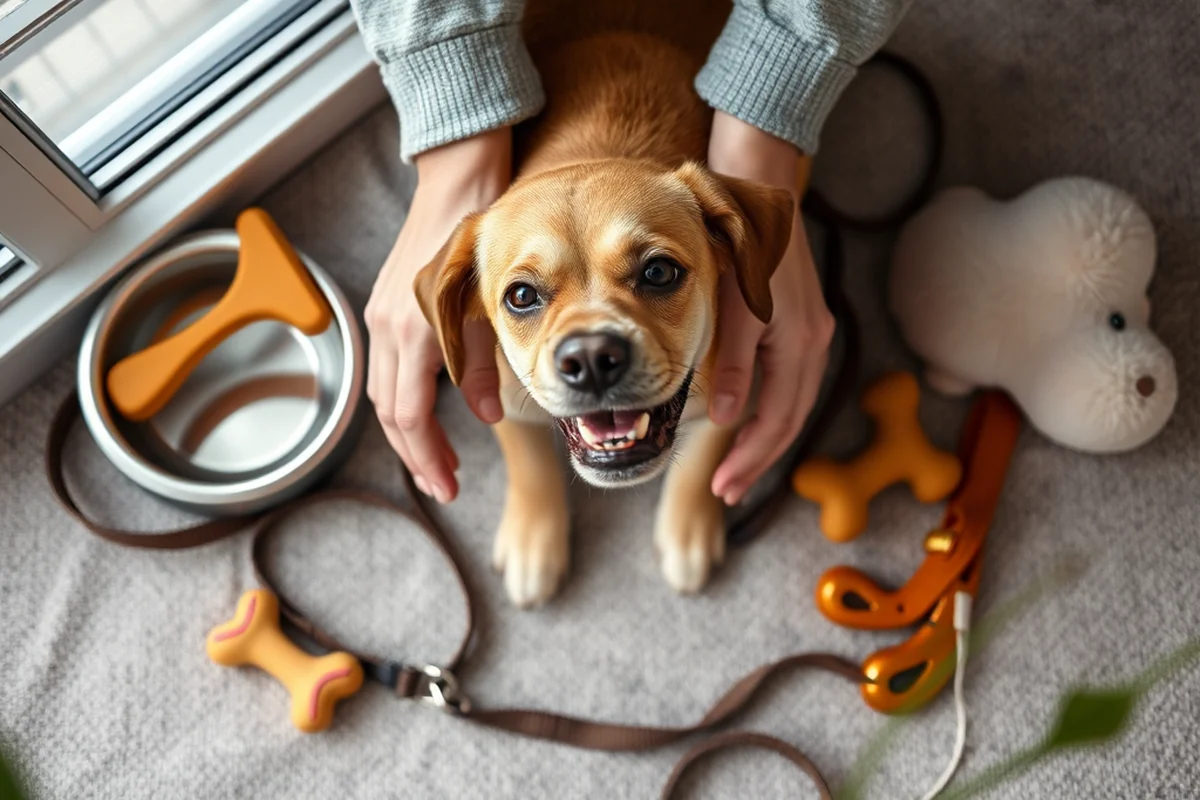
I made a few changes to our home, like adding a ramp to the couch and removing rugs that were tripping hazards. These adjustments helped Luna move around more easily and confidently.
I also installed a heated bed for her, which she loved. It kept her warm and comfortable, even during the colder months.
Environmental adjustments can make a huge difference in how your dog behaves and interacts with their space. Small changes can lead to big improvements in their comfort behavior.
Related: Aging dog comfort training behavior checklist
When to Seek Professional Help for Comfort Behavior
I learned this the hard way when Luna began to display signs of severe anxiety and confusion. I knew it was time to consult with a vet and a canine behavior specialist.
They helped me understand that Luna was suffering from canine cognitive dysfunction, and they provided me with strategies to help her cope. This included supplements, medication, and additional behavioral support.
Seeking professional help is not a sign of failure—it’s a sign that you care deeply about your dog’s well-being. It can make all the difference in their comfort behavior and quality of life.
🦴 Senior Pet
Aging dogs with mobility issues often benefit from customized routines and environmental modifications.
🐶 Small Breed
Small dogs may need less space but more frequent interaction to maintain comfort behavior.
🐾 Multi-Pet Home
In homes with multiple pets, it’s important to ensure each dog gets their individual attention and space.
💰 Budget
Comfort behavior can be achieved with minimal cost through routine, love, and small adjustments.
🧳 Travel
When traveling, maintaining familiar routines and environments is essential for an aging dog’s comfort behavior.
| The mistake | Why it happens | The fix |
|---|---|---|
| Ignoring changes in behavior. | Ignoring signs of discomfort or confusion can lead to more serious issues down the line. | Be observant and proactive. Make note of any changes in your dog’s behavior and address them as soon as possible. |
| Forcing activity on an aging dog. | Forcing a dog to walk or play when they’re not up for it can cause stress and physical harm. | Respect your dog’s limits. Offer gentle options and let them choose when and how they want to engage. |
| Neglecting their environment. | An aging dog’s comfort is greatly influenced by their surroundings. Neglecting this can lead to confusion and anxiety. | Make small, thoughtful adjustments to your home to create a safe and familiar space for your dog. |
| Overlooking the power of touch. | Physical contact is a vital part of comfort behavior, and neglecting it can leave your dog feeling isolated. | Make time for daily touch, whether it’s a gentle pet, a massage, or just sitting with them. |
Related: Easy aging dog comfort training behavior
How To Aging Dog Comfort Behavior
Related: Aging dog comfort behavior checklist
The Value of Mental Stimulation and Engagement
I used to worry that my 14-year-old poodle would become listless and uninterested in anything as he aged, but I was surprised by how much mental stimulation kept him engaged and happy. Simple activities like puzzle toys, scent games, and short training sessions helped him stay mentally sharp and gave him a sense of purpose. These activities not only challenged his mind but also gave him something to look forward to each day, which helped reduce his anxiety.
I found that using interactive toys filled with treats kept him occupied for extended periods, and I noticed a decrease in destructive behavior around the house. I also started using a clicker for training, which helped reinforce positive behaviors and gave him a sense of accomplishment. I made a point to keep these sessions short and positive, as older dogs can get easily overwhelmed. Even small successes, like learning a new command or figuring out a puzzle toy, made a big difference in his mood and comfort.
In addition to physical toys, I introduced him to short music sessions with classical music, which I believe helped him relax and stay calm. I also made sure to vary the types of mental stimulation I offered, so he didn’t get bored or disinterested. This approach not only kept him engaged but also gave me a better understanding of his changing needs as he aged. Mental stimulation is often overlooked, but it can be just as important as physical comfort in maintaining an aging dog's well-being.
The Impact of Nutrition on Comfort Behavior in Aging Dogs
Proper nutrition plays a crucial role in maintaining comfort behavior in aging dogs. As dogs age, their dietary needs change, and providing the right balance of nutrients can help manage pain, support joint health, and improve overall well-being.
I’ve noticed a significant difference in my 12-year-old golden retriever’s mobility and mood after switching to a senior-specific diet that includes glucosamine and omega-3 fatty acids. These ingredients help reduce inflammation and support joint flexibility, which in turn makes it easier for her to move around and stay engaged with her environment. A diet low in fat and high in fiber also helps manage weight, which is essential for older dogs who are more prone to obesity and its associated health issues.
Over the years, I've learned that feeding smaller, more frequent meals throughout the day can ease digestive strain and prevent discomfort. This approach also helps maintain steady energy levels, which is especially important for dogs with arthritis or other chronic conditions that can cause fatigue. I’ve seen this strategy reduce my dog’s restlessness and improve her ability to rest comfortably throughout the day.
In addition to the physical benefits, the right nutrition can also have a positive impact on a dog’s mental state. A well-balanced diet can help reduce anxiety and agitation, which are common in older dogs experiencing cognitive decline. I’ve noticed that my dog is more relaxed and less reactive to sudden noises or changes in her routine when she’s on a diet that supports brain health. This, in turn, helps her maintain a more consistent and comforting behavior pattern at home.
Common Questions
How long does it take to see changes in my dog’s comfort behavior?
What are the signs that my dog is uncomfortable?
Can I do all of this on a budget?
Is it normal for an aging dog to become more withdrawn?
References
- South Dakota Early Learning Guidelines (dss.sd.gov)
Cite this guide
Warmoldbones (2026). How To Aging Dog Comfort Behavior. https://warmoldbones.com/how-to-aging-dog-comfort-behavior/
Feel free to cite or share this guide.