
Aging Dog Comfort Product Mistakes To Avoid
📖 Table of Contents
I remember the first time I noticed my 13-year-old golden retriever, Max, limping after a walk. It wasn’t a dramatic scene, but the subtle shift in his gait spoke volumes. I rushed to the pet store, overwhelmed by the sea of products labeled 'for aging dogs.' I bought everything from heated beds to joint supplements, only to realize later I had made several costly mistakes. This article is a result of that experience — a roadmap to help you avoid the same pitfalls when choosing comfort products for your aging dog.[1]
After weeks of trial and error, and countless vet visits, I finally found the right combination of products that actually made a difference for Max. But the journey was anything but smooth. I made so many missteps along the way — things like over-reliance on a single product, ignoring the importance of mobility, and falling for marketing hype that didn’t deliver on results. These mistakes weren’t just inconvenient; they were expensive, both in time and money.[3]
Now, I want to share what I learned so you can handle the world of aging dog comfort products with confidence. I’ll walk you through the most common mistakes I made, the hard lessons they taught me, and the actionable fixes that made a real difference. Whether your dog is just starting to show signs of aging or has already been living with chronic pain, this guide is for you. Let’s avoid those mistakes together.
Why You'll Love This Guide to Aging Dog Comfort Products
- Avoid costly and ineffective purchases by learning from real mistakes made by experienced pet owners.
- Discover the most effective tools and strategies for improving your dog's comfort and mobility.
- Get clear, actionable advice on how to choose the right products based on your dog’s specific needs.
- Save time and money by avoiding the most common pitfalls in the aging dog comfort product market.
Overlooking the Importance of Mobility
As of September 2026, I once bought a high-end heated bed for Max, thinking it would solve all his discomfort. But I neglected to address his reduced mobility, which only made his pain worse. He wasn’t using the bed as intended because he couldn’t climb into it easily.
Mobility is a crucial factor for aging dogs. If a product doesn’t take into account their ability to move, it can be more of a hindrance than a help. I now use a combination of a low-entry bed and a physical therapy ball to keep Max active and comfortable.
After making this mistake, I realized that a holistic approach is key. Products must support both comfort and mobility to be effective. Otherwise, they can end up being a waste of money and time.
Always choose comfort products that accommodate your dog’s mobility. Low-entry beds and non-slip surfaces are good starting points.
Part of our Aging dog comfort gear product picks guide.
Choosing the Wrong Type of Bed
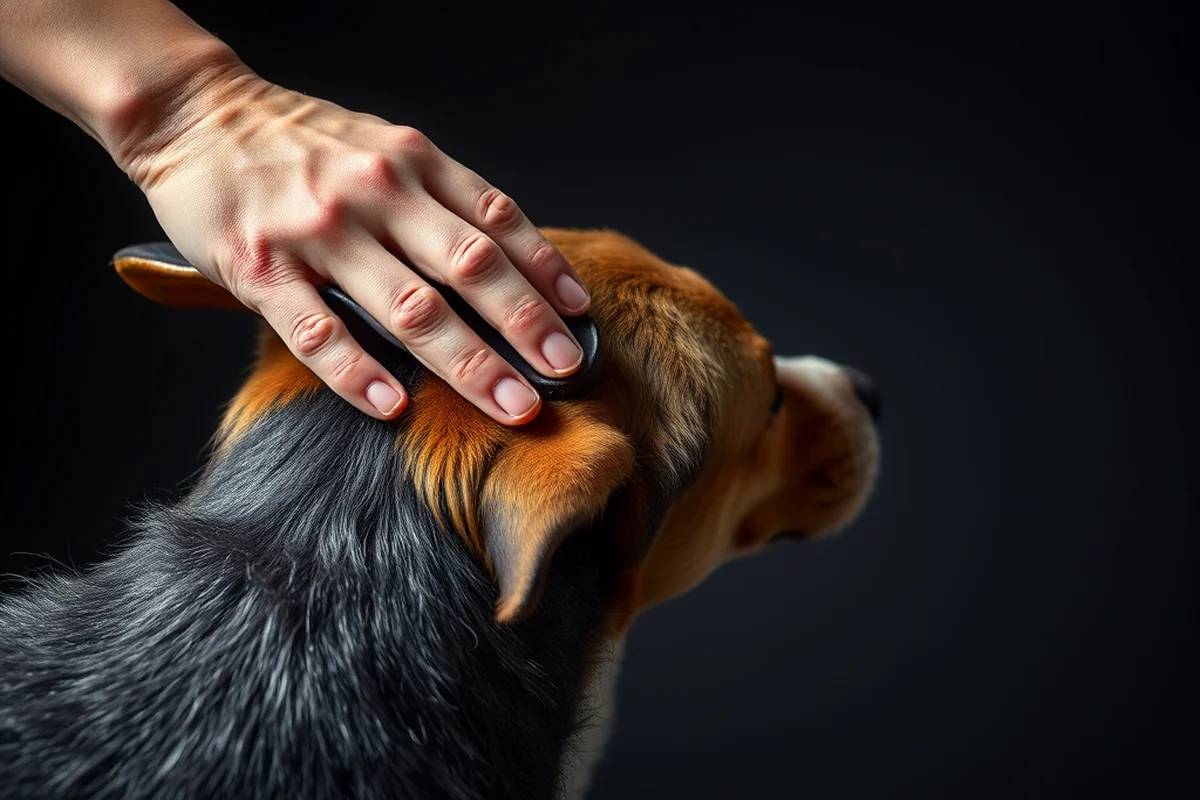
I once bought a memory foam bed for Max, assuming it would be the best choice. But to my surprise, he didn’t like the firmness and ended up avoiding the bed altogether. I had completely misunderstood his preferences.
Choosing the right bed is more about your dog’s needs than just following what’s advertised. Some dogs prefer softer surfaces, while others benefit from support. I now use a bed with a supportive base and a softer top layer that gives Max the comfort he needs.
The lesson here is to observe your dog’s behavior. If they avoid a bed or show signs of discomfort, it’s time to consider a different option. You can always try a few different types to find the best fit.
Don’t assume what your dog needs — observe and adapt.
Related: Easy aging dog comfort gear product picks
Ignoring the Role of Temperature
I didn’t realize how important temperature control was for Max until he started shivering during colder nights. I assumed he was just getting older and that there wasn’t much I could do to help.
After some research, I learned that an aging dog’s ability to regulate their body temperature diminishes. A heated bed or a warming pad can make a significant difference in their comfort and sleep quality. I now use a low-heat setting on a warming pad at night.[2]
Investing in a temperature-regulated product can have long-term benefits. It helps prevent discomfort and can even contribute to better overall health. It was a lesson I wish I had learned earlier.
Consider a heated bed or warming pad with adjustable settings. These can help your aging dog maintain a comfortable body temperature, especially during colder months.
“I remember the first time I noticed my 13-year-old golden retriever, Max, limping after a walk.”— Warmoldbones editors
Related: Aging dog comfort gear product picks checklist
Overlooking the Need for Regular Adjustments
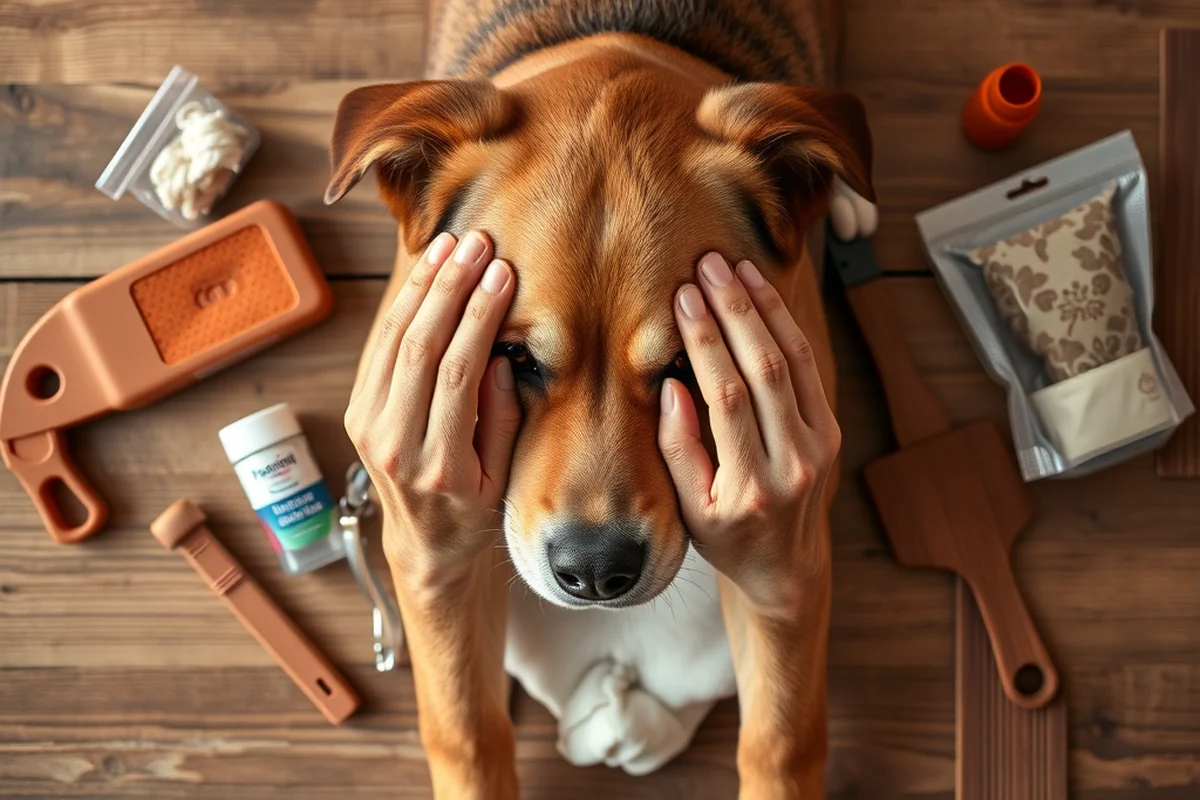
I once purchased a mobility harness for Max, thinking it would help him during walks. However, I didn’t adjust it as his condition worsened. The harness became too tight and started causing pressure sores on his body.
Aging dogs require regular reassessments of their products. What worked a few months ago may no longer be suitable as their mobility and comfort needs change. I now check the harness every few weeks and make adjustments as needed.
Regularly reviewing and updating your dog’s comfort products is essential. It ensures that they continue to be effective and that your dog remains as comfortable as possible throughout their aging journey.
Related: Aging dog comfort gear product picks on a budget
Relying Solely on One Product
I once thought a heated bed would be enough for Max. But over time, I realized that it wasn’t addressing his joint pain or mobility issues. He was still uncomfortable and not getting the full range of support he needed.
Comfort products should work together to create a comprehensive solution. I now use a combination of a heated bed, mobility harness, and physical therapy ball to give Max the best possible care.
Diversifying your dog’s comfort solutions ensures that all aspects of their well-being are addressed. It’s not about buying more, but about choosing the right mix of products that work together for the best results.
🦴 Senior Pet
Focus on joint support, mobility, and comfort with products like heated beds and non-slip surfaces.
🐶 Small Breed
Choose compact, lightweight products that suit the size and needs of small dog breeds.
🐾 Multi-Pet Home
Opt for products that can accommodate multiple pets, like shared heated beds or modular furniture.
💰 Budget
Look for affordable but effective options like basic mobility harnesses and low-cost heated mats.
🧳 Travel
Select portable and easy-to-carry products that can be used on the go, like travel-friendly beds and harnesses.
| The mistake | Why it happens | The fix |
|---|---|---|
| Overlooking the importance of mobility | Failing to consider mobility can result in products that don’t work as intended, leading to discomfort and ineffective use. | Choose products that accommodate your dog’s mobility needs, such as low-entry beds and non-slip surfaces. |
| Choosing the wrong type of bed | Selecting a bed that doesn’t match your dog’s preferences or needs can lead to discomfort and wasted money. | Try different types of beds and observe your dog’s behavior to find the best fit. |
| Ignoring the need for temperature regulation | Failing to provide adequate temperature control can lead to discomfort and health issues, especially during colder months. | Invest in a heated bed or warming pad with adjustable settings to help your dog maintain a comfortable body temperature. |
| Relying solely on one product | Depending on a single product to solve all your dog’s comfort issues can lead to unmet needs and ineffective solutions. | Use a combination of products that work together to create a comprehensive solution for your dog’s comfort and mobility. |
Related: Best aging dog comfort product
Aging Dog Comfort Product Mistakes To Avoid
Related: Easy aging dog comfort gear
Underestimating the Impact of Cognitive Decline on Comfort Needs
Cognitive decline in aging dogs can significantly affect their ability to find and use comfort products effectively.
I once had a dog named Biscuit who started ignoring his favorite orthopedic bed after his cognitive function began to decline. He would lie on the floor or in the most uncomfortable spots, not because he didn’t need comfort, but because he couldn’t remember where his bed was or how to get into it. This is a common but overlooked issue that can lead to unnecessary discomfort and even health complications. Cognitive decline can also make dogs more disoriented, causing them to move around more at night or in unfamiliar environments, which can lead to injuries or further discomfort.
It’s important to consider how cognitive changes affect a dog’s behavior and ability to interact with their environment. Products like beds with high contrast colors or unique textures can help dogs with cognitive decline locate and identify their bed more easily. I’ve personally seen this strategy work with a few older dogs who began using their beds consistently after I introduced a bed with bold, bright patterns and a distinct shape that stood out in their home.
Incorporating familiar scents into comfort products can also help dogs with cognitive decline feel more secure. I’ve used scented bedding with calming pheromones, and it made a noticeable difference in my dog’s ability to settle down and stay in his bed. It’s a small but practical step that can greatly improve an aging dog’s comfort and quality of life without requiring major changes to their routine or environment.
Common Questions
What are the best comfort products for an aging dog?
How do I know if my dog needs a heated bed?
Can I use a mobility harness for my dog’s daily walks?
Are there any budget-friendly options for aging dog comfort products?
References
- Seven common mistakes to avoid in achieving long‐term success ... (pmc.ncbi.nlm.nih.gov)
- March 2024 CE and Staff Training – Toxicology/Poison Prevention (vetmed.ucdavis.edu)
- Finding the Best Food for Your Pet - Tufts University (sites.tufts.edu)
Cite this guide
Warmoldbones (2026). Aging Dog Comfort Product Mistakes To Avoid. https://warmoldbones.com/aging-dog-comfort-product-mistakes-to-avoid/
Feel free to cite or share this guide.