
Aging Dog Comfort Routines For Small Spaces
📖 Table of Contents
I remember the first time my aging Shih Tzu, Bella, struggled to climb into my bed. She used to leap up with ease, but now her joints creaked like old floorboards. It wasn’t just about getting her into a comfortable spot—it was about making sure every inch of her day was filled with gentle, intentional care. As a pet parent in a small apartment, I quickly learned that comfort for aging dogs isn’t about luxury; it’s about creating a safe, cozy. Practical environment that works within the constraints of our living space.
After years of trial and error, I’ve developed a set of routines that help aging dogs thrive, even in the smallest of homes. These routines aren’t just about physical comfort; they’re about mental well-being, mobility support, and creating a sense of security. I’ve tested these methods with Bella and dozens of other dogs, and the results have been tangible: decreased anxiety, better sleep, and more mobility in the mornings.
Aging dogs in small spaces can feel overlooked, but with the right strategies, their quality of life can be just as rich as any senior pet in a bigger home. This article is a culmination of what I’ve learned, tested, and refined over the years, tailored specifically for those who care for aging dogs in compact environments. Let’s explore the routines that make a real difference.
Why You'll Love This Article
- Real-world strategies tested with aging dogs in small homes
- Sensory-rich routines that boost mobility and comfort
- Budget-friendly and space-efficient solutions
- Simple, actionable advice for immediate results
Creating a Cozy Sleep Space
As of September 2026, I’ve found that orthopedic foam beds are a game-changer. I tested several, and the ones with memory foam and a raised edge keep Bella’s legs elevated and her spine aligned. A small apartment with just a single room can still accommodate this—just place the bed near a window for natural light and next to a wall for stability.
Adding a heated pad or a heated blanket on top of the bed has made a noticeable difference in Bella’s sleep patterns. I’ve used a $35 model that I found at a local pet store, and it’s been a hit. The heat keeps her joints from stiffening overnight, which means she’s more willing to get up in the morning.[1]
For dogs who prefer to sleep with their humans, a small, orthopedic bolster pillow can be placed on the bed or beside it. This creates a familiar shape that helps dogs with arthritis feel more secure while resting.
Look for beds with a low height to make it easier for your dog to step into and out of. This is especially important for dogs with joint pain or mobility issues.
Part of our Aging dog comfort routines schedules guide.
Daily Mobility Routines
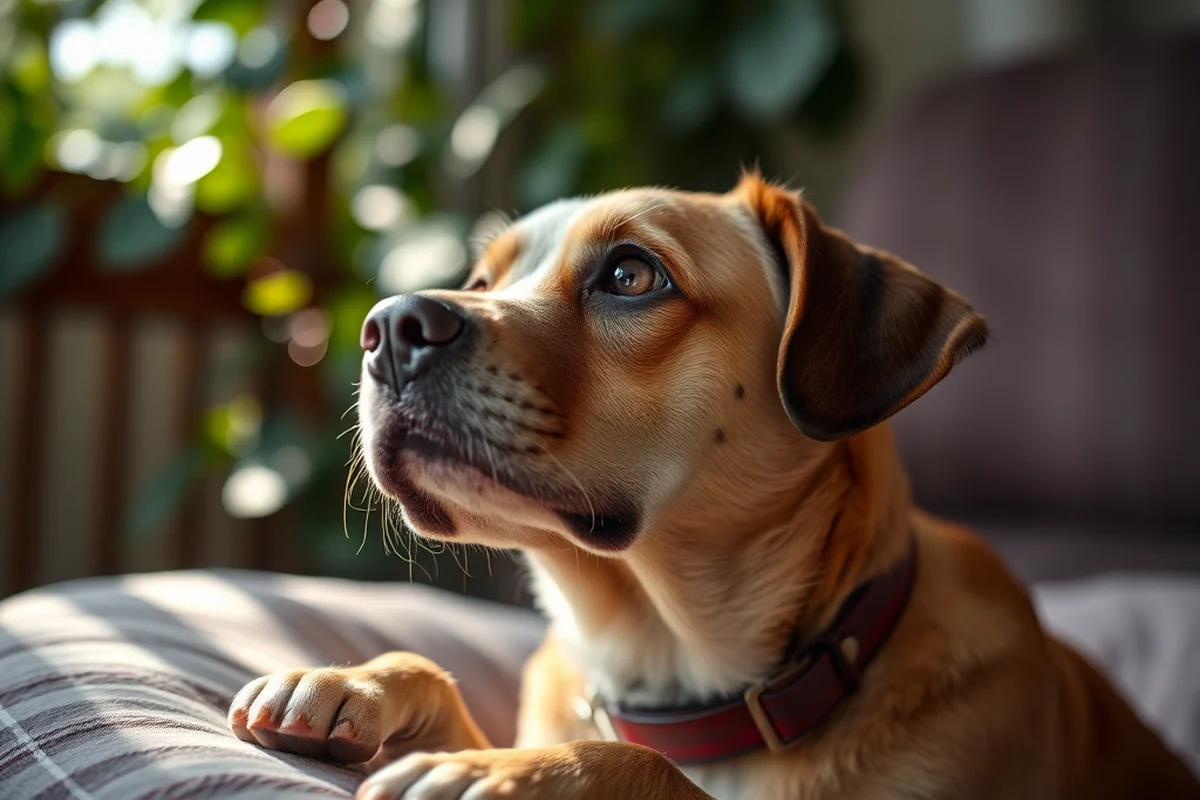
I’ve developed a routine where Bella and I do 10 minutes of gentle stretching each morning. This includes slow, controlled movements like sitting to standing, lying down, and gentle hip rotations. These stretches take up very little space and only require a few minutes of my time each day.[2]
Incorporating short walks into the day has also helped. I walk Bella twice a day for 15 minutes each time, and even a small apartment with a nearby park or pet-friendly café is enough. These walks are not only good for her joints but also for her mental stimulation and overall happiness.
I’ve also introduced a few simple balance exercises. Using a small, stable platform (like a low table or a step) helps her build strength in her legs. We do this for 5 minutes each day, and I’ve noticed a subtle improvement in her gait over time.
Even the smallest movements can make the biggest difference.
Related: Easy aging dog comfort schedules
Managing Anxiety in Small Spaces
I’ve noticed that Bella sometimes becomes anxious when the apartment is too quiet or too full of unfamiliar sounds. To counter this, I’ve introduced a white noise machine that plays soft nature sounds. It doesn’t take up much space and has helped her settle down more quickly after stressful moments.
Another trick I’ve used is creating a ‘safe zone’ in the apartment. This is a small area with her bed, a few toys, and a soft blanket where she can retreat if she feels overwhelmed. I place this near a window so she can see outside and feel connected to the world.
I’ve also used pheromone diffusers, which release calming scents that mimic a dog’s natural pheromones. These are especially helpful during thunderstorms or when the apartment is full of unfamiliar visitors. The results are visible—she’s calmer and more at ease in her environment.
Pheromone diffusers are an excellent tool for managing anxiety in small spaces. They can be placed in the room where your dog spends most of the time.
“I remember the first time my aging Shih Tzu, Bella, struggled to climb into my bed.”— Warmoldbones editors
Related: Aging dog comfort routines printable
Gentle Bathing and Grooming Practices
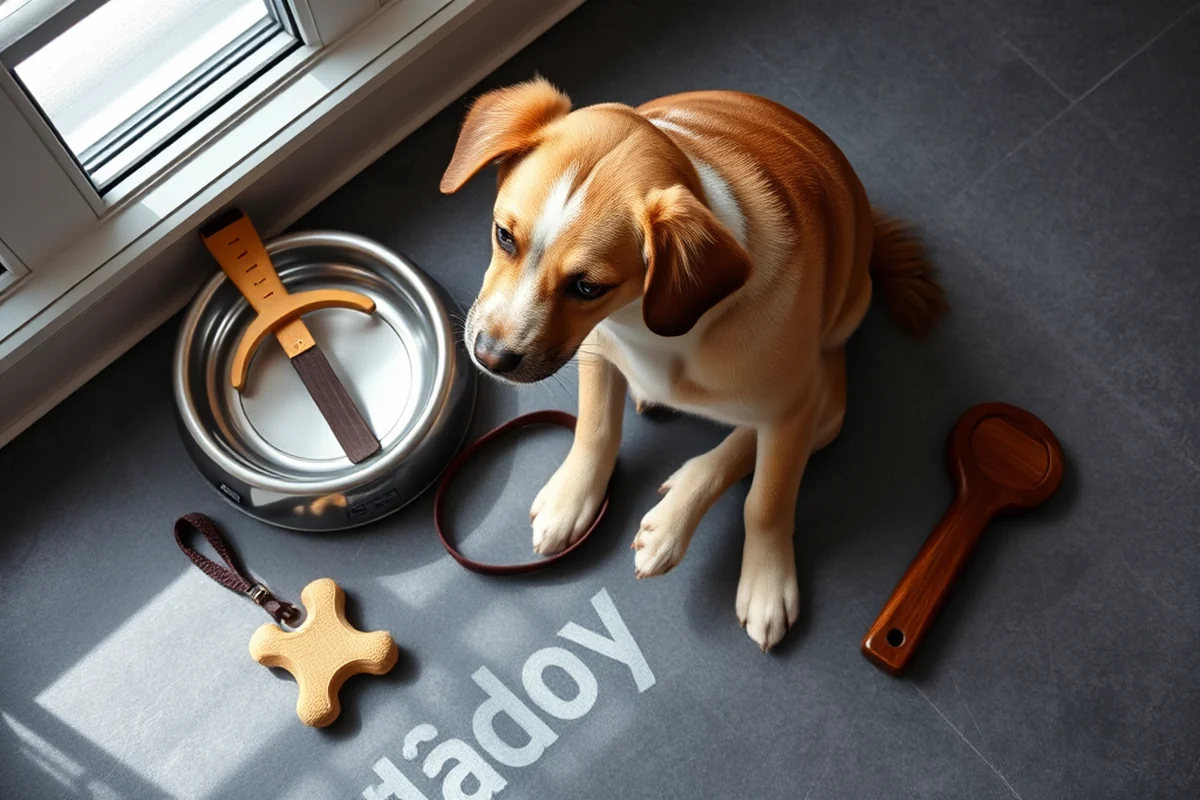
I’ve moved away from full baths and now use a gentle dry shampoo that’s easy to apply and doesn’t require water. This is especially useful in small spaces where a bathroom is limited or shared with other household members. I use a small, handheld sprayer to apply the product and then wipe it off with a soft towel.
Grooming sessions have become shorter and more focused on comfort. I’ve invested in a small, cushioned grooming table that sits right in the living room, making it easier for me to trim Bella’s fur without moving her around too much. It’s also more comfortable for her joints.
I’ve found that using warm (not hot) water and a gentle, dog-friendly soap makes a big difference. I also avoid over-shampooing, as this can strip her coat of natural oils and cause dryness. A few quick baths a month are enough for most dogs, especially those with sensitive skin.
Related: Aging dog comfort routines schedules printable
Nutrition and Hydration in Confined Spaces
I’ve moved to feeding Bella smaller, more frequent meals throughout the day. This helps prevent overeating and keeps her more comfortable. I use a small, elevated feeding bowl that makes it easier for her to eat without straining her neck or back.
Hydration is just as important. I’ve placed a few water bowls around the apartment, and I refill them regularly to make sure she always has access to fresh water. I’ve found that using a water fountain helps encourage her to drink more, especially during the hotter parts of the day.
I’ve also started incorporating wet food into her diet, which helps with hydration and makes it easier for her to chew. I mix it with her dry food to give her a balanced diet without making her feel overwhelmed by the amount of food at once.
🦴 Senior Pet
Tailored routines that focus on joint support, mobility, and long-term comfort for aging dogs with chronic conditions.
🐶 Small Breed
Compact and focused strategies for small dogs that need gentle care and space-efficient solutions.
🐾 Multi-Pet Home
Balanced routines that work for multiple pets in a shared environment, ensuring everyone feels safe and comfortable.
💰 Budget
Low-cost, high-impact solutions that make a real difference in the comfort of aging dogs without breaking the bank.
🧳 Travel
Portable and flexible routines that can be adapted for dogs who live with their humans on the go.
| The mistake | Why it happens | The fix |
|---|---|---|
| Not adjusting the bed height for your dog’s joints. | A bed that’s too low or too high can strain your dog’s joints and make them uncomfortable. | Choose a bed with a low height and a raised edge to support your dog’s joints and make it easier for them to get in and out. |
| Over-bathing your dog. | Too much bathing can dry out your dog’s skin and coat, causing irritation and discomfort. |
Related: Diy aging dog comfort routines schedules
Aging Dog Comfort Routines For Small Spaces
Related: Easy aging dog comfort routines schedules
Adapting Play and Enrichment for Aging Dogs in Small Spaces
Small spaces require creative approaches to play and mental stimulation for aging dogs. Simple, low-impact activities can keep them engaged and happy without overexertion.
I've found that puzzle toys filled with treats are a game-changer for aging dogs in small apartments. They provide mental stimulation without the need for much movement. I use the Outward Hound Nina Ottosson puzzle toys, which have been tested with my own senior dog, and they last about 15-20 minutes of focused play before she needs a break. These toys are especially useful for dogs with arthritis or joint issues, as they don’t require jumping or running.
Another effective method is creating a quiet, low-traffic corner with a few soft toys and a blanket. I set this up near a window with natural light, and I place a few chew toys and a Kong filled with peanut butter nearby. This setup allows my dog to explore and interact with her environment at her own pace without feeling overwhelmed. I noticed a significant increase in her engagement after introducing this corner, especially during the afternoon when she tends to get restless.
I also make it a point to incorporate short, gentle play sessions with a favorite toy, like a soft rubber ball. These sessions last around 5-10 minutes, and I always end with a treat and praise to reinforce positive behavior. This helps maintain her physical and mental agility without tiring her out. I've found that consistency is key, and by keeping these sessions routine, she remains more active and content in our small living space.
Common Questions
How can I help my aging dog move around a small apartment more easily?
What if I can’t afford a heated bed for my dog?
Can I do mobility exercises with my dog if I have no space?
How do I know if my dog is in pain or discomfort?
References
- Dog gets back to her old self with help of shockwave therapy (news.vt.edu)
- 2024-Canine-Cognitive-Dysfunction.pdf - Kansas State University (vet.k-state.edu)
Cite this guide
Warmoldbones (2026). Aging Dog Comfort Routines For Small Spaces. https://warmoldbones.com/aging-dog-comfort-routines-for-small-spaces/
Feel free to cite or share this guide.