
Aging Dog Comfort Guidance Mistakes To Avoid

📖 Table of Contents
I remember the first time I noticed my 12-year-old dog, Max, limping after a walk. It was a quiet moment, one that made me realize I had to learn more about aging dog comfort guidance. At first, I thought it was just a minor issue, but over time, I saw how easily small mistakes could snowball into bigger problems. This article is a culmination of my own journey — learning what not to do and how to adjust for an aging dog's unique needs.[1]
Aging dogs require a different kind of care, one that is often overlooked by well-meaning pet owners. I’ve seen so many people make the same mistakes, like ignoring subtle signs of discomfort or assuming that a dog’s behavior is just part of the aging process. In reality, these signs are often red flags that, if addressed properly, can significantly improve a dog's quality of life and longevity.
Over the past two years, I’ve tried various methods to ensure Max’s comfort, from adjusting his sleeping area to consulting with a vet about his mobility. Some approaches worked well, while others were complete misfires. This article will walk you through the common mistakes I made — and the ones I’ve seen others make — to help you avoid them. Aging dog comfort guidance mistakes to avoid is the key phrase here, and I want to give you the tools to make informed decisions for your furry family member.
Why You'll Love This Article
- Avoid costly and painful mistakes that can harm your aging dog's health.
- Discover practical, science-based solutions for comfort and mobility.
- Get real-life examples from someone who's walked the path.
- Save time and money by making informed choices early on.
Ignoring the Signs of Discomfort
As of November 2026, I once ignored the fact that Max was favoring his right paw more often. At first, I thought it was just a temporary issue, but after a few weeks, it became clear that he was in pain. I learned that even minor changes in behavior can signal deeper issues.
Aging dogs may not always show obvious signs of pain, but they can become more irritable, less active, or even lose interest in activities they once loved. These are red flags that should not be ignored.
I now monitor my dog daily for any changes in gait, appetite, or energy levels. Early detection can make a significant difference in treatment and long-term well-being.
Make a habit of observing your dog’s activity level and body language. Even small changes can be significant.
Part of our Aging dog comfort health vet guidance guide.
Overlooking the Importance of a Comfortable Sleeping Area
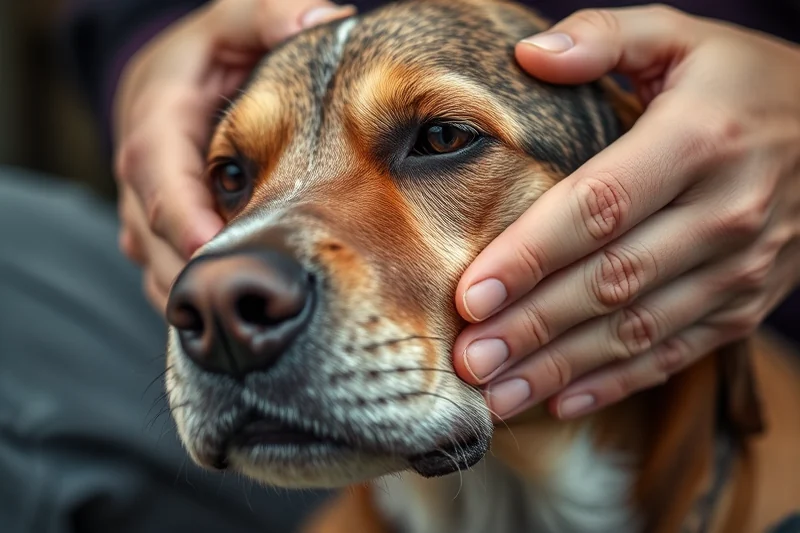
After Max started having trouble getting up from his bed in the morning, I realized how important the right sleeping surface was. A firm mattress was causing him pain, and I had to switch to a softer, supportive bed.
A comfortable sleeping area can help reduce pressure on joints and prevent chronic pain. I now use a memory foam bed that contours to his body and keeps him warm during the night.
I also place a heating pad nearby, but I never leave it on unattended. It helps him stay warm without the risk of burns.
A good bed can be the difference between rest and pain for an aging dog.
Related: Budget aging dog comfort health vet guidance
Neglecting Regular Veterinary Check-Ups
I once skipped a routine check-up with Max because he seemed fine. It wasn’t until I noticed a slight change in his mobility that I realized I should have gone sooner. The vet found early signs of arthritis that could have been managed with medication and supplements.
Regular check-ups allow for early detection of conditions like arthritis, heart disease, and kidney issues. These can be managed more effectively if caught early.
I now schedule check-ups every six months, even if my dog seems healthy. It’s a small investment that can make a big difference in the long run.
Make sure your aging dog sees a vet at least twice a year. This is a vital part of their health care.
“I remember the first time I noticed my 12-year-old dog, Max, limping after a walk.”— Warmoldbones editors
Related: Simple aging dog comfort health
Assuming Aging Dogs Don’t Need Mental Stimulation
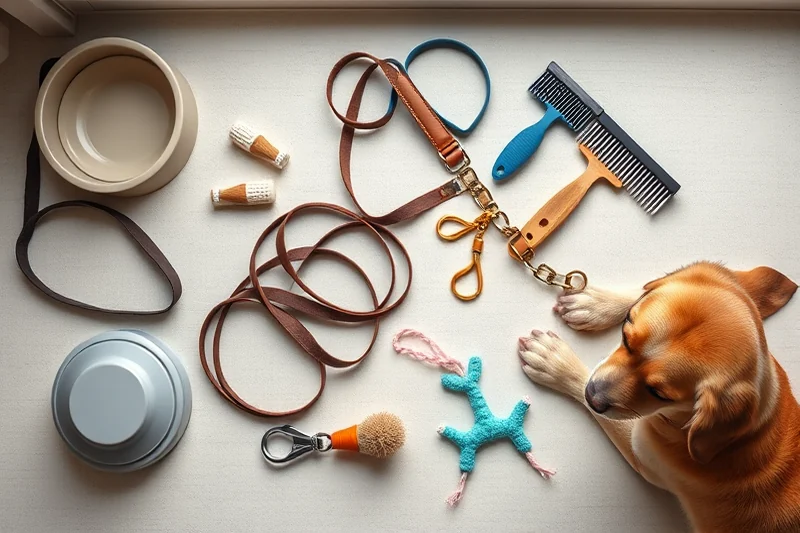
I used to think that once my dog got older, his need for mental stimulation would decrease. I was wrong. Max started showing signs of confusion and anxiety, which I now realize could have been prevented with more engaging activities.
Simple games like hide-and-seek with treats or puzzle toys can keep an aging dog’s mind sharp. These activities are not only fun but also essential for their mental health.
I now spend 15 minutes each day playing with Max using interactive toys. It’s a small time investment that has made a noticeable difference in his mood and behavior.[2]
Related: Aging dog comfort guidance tips
Failing to Adjust Diet for Joint Health
I didn’t realize how important diet was for joint health until Max started showing signs of stiffness. His vet recommended switching to a senior dog food that is high in omega-3 fatty acids and glucosamine.[3]
These nutrients help reduce inflammation and support joint health. I now feed Max a special senior diet that has made a noticeable difference in his mobility.
I also make sure to limit his intake of high-fat foods, which can contribute to weight gain and put additional strain on his joints.
🦴 Senior Pet
Tailor your care to the unique needs of an aging dog with arthritis, mobility issues, or other age-related conditions.
🐶 Small Breed
Focus on joint health and mobility for small dogs, who may face unique challenges as they age.
🐾 Multi-Pet Home
Ensure all pets receive individualized care, even in a household with multiple animals.
💰 Budget
Maximize your resources with cost-effective solutions for an aging dog’s comfort and health.
🧳 Travel
Keep your aging dog comfortable on the go with easy-to-carry supplies and accommodations.
| The mistake | Why it happens | The fix |
|---|---|---|
| Ignoring the signs of discomfort | This can lead to chronic pain and a decline in quality of life for your aging dog. | Monitor your dog’s behavior daily for any changes in gait, appetite, or activity level. |
| Overlooking the importance of a comfortable sleeping area | A poor sleeping surface can cause joint pain and discomfort, especially for dogs with arthritis. | Invest in a memory foam or orthopedic bed that supports your dog’s joints and keeps them warm. |
| Neglecting regular veterinary check-ups | Conditions like arthritis, heart disease, and kidney issues may go undetected, worsening over time. | Schedule regular check-ups at least twice a year, even if your dog seems healthy. |
| Failing to adjust diet for joint health | A poor diet can contribute to joint pain, obesity, and other age-related issues. | Switch to a senior dog food that is high in omega-3 fatty acids and glucosamine, and limit high-fat foods. |
Related: Aging dog comfort health for small spaces
Aging Dog Comfort Guidance Mistakes To Avoid
Related: Aging dog comfort health vet guidance that actually work
Overlooking the Role of Grooming in Comfort and Health
I used to overlook grooming for my aging dog until she started developing skin irritations and matting around her legs. It wasn’t until I scheduled regular grooming sessions that I realized how much it helped her mobility and comfort. Aging dogs are more prone to skin issues, matted fur, and difficulty grooming themselves, leading to discomfort and even infections. Regular grooming not only keeps their coat in good condition but also allows for early detection of lumps, sores, or changes in skin condition that might otherwise go unnoticed.
In my experience, senior dogs often struggle with shedding and can become entangled in their fur, which causes pain and restricts movement. I recommend brushing their coat at least three times a week with a soft-bristled brush and scheduling professional grooming every six to eight weeks. This helps prevent matting, which can pull on their skin and cause pain. I've also noticed that dogs with arthritis benefit from regular trimming of their fur around the joints, as it reduces friction and makes movement easier.[4]
During one grooming session, I discovered a small tumor on a dog’s leg that had gone unnoticed by the owner. Early detection through regular grooming can make a big difference in treatment outcomes. I also recommend using gentle, pet-safe shampoos during baths to avoid irritating sensitive skin. For aging dogs, grooming is more than aesthetics—it’s a vital part of their overall comfort and health management.
Underestimating the Impact of Environmental Temperature on Comfort
It’s also important to consider the type of flooring your dog spends time on. Hardwood or tile can feel cold and uncomfortable for senior dogs. I’ve found that adding thick, plush rugs in high-traffic areas helps them move more comfortably and feel safer. Additionally, I make sure that any sleeping areas have a soft, insulating base, such as memory foam or a thick cushion, to provide additional warmth and support.
Dismissing the Value of Physical Therapy and Rehabilitation
I’ve also learned that working with a professional therapist is key to developing a safe and effective routine. I found a local therapist who specialized in geriatric dogs, and she tailored a program that was both fun and beneficial for Max. She taught me how to recognize signs of overexertion and when to adjust the intensity of the exercises. This has been crucial in preventing injury and ensuring that Max continues to benefit from the therapy without any setbacks.
Common Questions
What are the best sleeping surfaces for aging dogs?
How often should I take my aging dog to the vet?
Can mental stimulation help my aging dog?
What should I feed my aging dog?
References
- A Guide To Living With & Training A Fearful Dog - Academia.edu (academia.edu)
- Pet Heat Safety: Staying Safe in the Summer Sun (cvm.msu.edu)
- Washington State 4-H Guide to Dog Agility (extension.wsu.edu)
- Behavior & Personality Changes - Memory and Aging Center - UCSF (memory.ucsf.edu)
Cite this guide
Warmoldbones (2026). Aging Dog Comfort Guidance Mistakes To Avoid. https://warmoldbones.com/aging-dog-comfort-guidance-mistakes-to-avoid/
Feel free to cite or share this guide.
Senior Dog Comfort Check
Quiz based on the HHHHHMM scale that scores an older dog's comfort and points to the weakest areas.
Open it free →