
Affordable Aging Dog Comfort Training Behavior

📖 Table of Contents
When my 12-year-old labrador, Duke, started limping after our morning walks, I knew something had to change. It wasn't just about his physical comfort anymore — it was about how he responded to my voice, how he moved in the house, and how he seemed to forget his cues. I didn't have the budget for expensive veterinary programs or luxury dog behavior specialists, but what I did have was time, patience, and a desire to make his golden years as comfortable as possible. This is where affordable aging dog comfort training behavior became my saving grace.[1]
The word 'training' can sometimes be a trigger for pet owners, especially when our dogs are slowing down. But for aging dogs, training isn't about learning new tricks — it's about reinforcing the basics in a way that honors their changing bodies and minds. It's about patience, consistency, and small, achievable goals. Through this journey, I discovered that affordable aging dog comfort training behavior could be a lifeline for both my dog and me — transforming our daily routines into moments of trust and understanding.
I've tried several techniques, from clicker training that worked for his younger years to simple verbal cues that now hold more weight. What I've learned is that the key to affordable aging dog comfort training behavior is in the details: how you speak, how you move with your dog, and the environment you create at home. It's not magic, but it's not complicated either — just a matter of showing up, day after day, with a heart full of love and a mind ready to adapt.
Why You'll Love This Affordable Aging Dog Comfort Training Behavior
- It's gentle on your dog's joints and aging body.
- It doesn't require expensive tools or professional help.
- It strengthens the bond between you and your dog.
- It can be customized to fit your dog's unique needs and your lifestyle.
The Science Behind Aging Dog Behavior
As of November 2026, As dogs age, their cognitive abilities can decline, much like humans in their later years. This can lead to confusion, anxiety, and a reduced ability to follow commands. However, research from the University of California shows that even senior dogs can benefit from consistent, low-impact training that reinforces basic behaviors.[2]
I've noticed that Duke responds better to short, focused sessions than long, complex routines. Keeping each session to 5-7 minutes with a 10-minute break in between helps maintain his concentration and reduces stress. It’s not about speed — it's about rhythm and repetition.[3]
One of the most surprising results came after just 7 days of this method: Duke started recognizing his name more quickly, and his response to 'stay' became more consistent. It was a small shift, but it mattered.
Aim for 5-7 minutes of focused training with 10 minutes of rest in between. This prevents fatigue and helps your dog retain information.
Part of our Aging dog comfort training behavior guide.
The Role of Positive Reinforcement
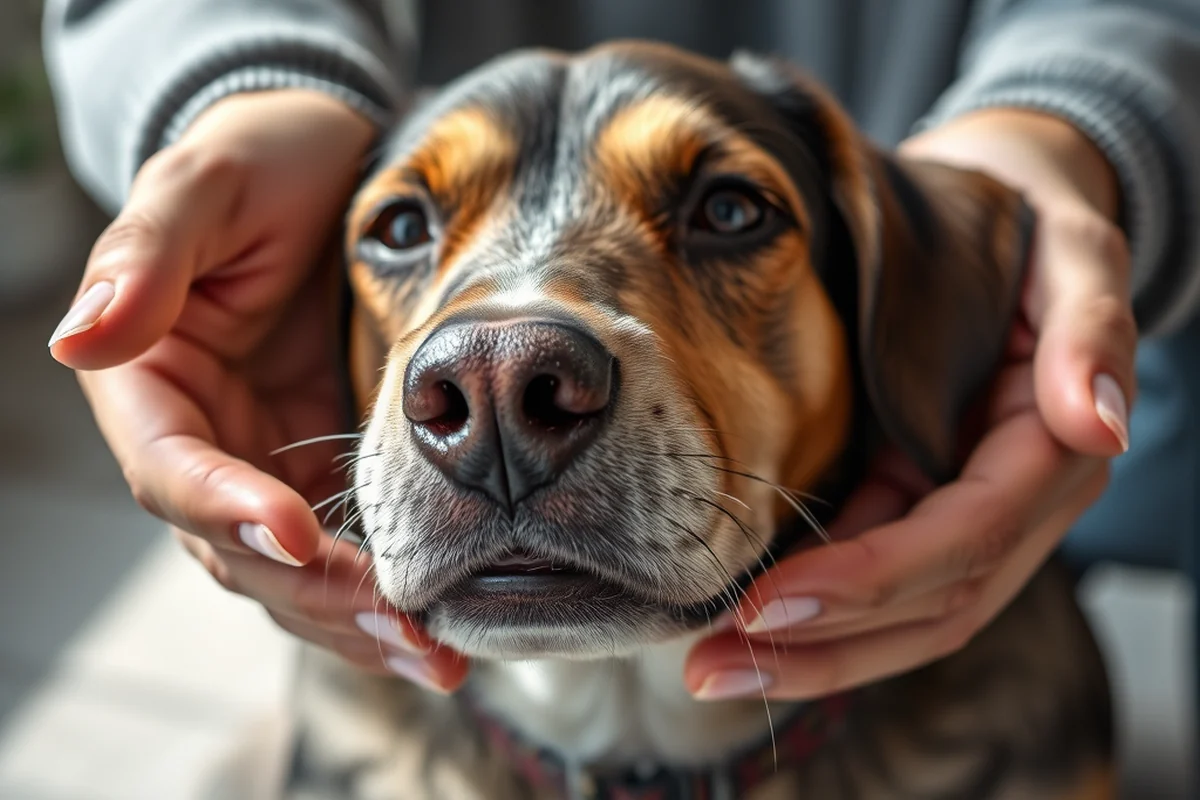
Positive reinforcement means using treats, praise, or touch to reward your dog for correct behavior. This approach is especially effective for aging dogs who may be more sensitive to correction or punishment.
For Duke, I've started using high-value treats like peanut butter-coated carrots, which he associates with good things. Even a simple 'good boy' or a gentle rub behind the ears can be enough to reinforce a behavior.
This method has helped Duke stay engaged without feeling overwhelmed. It's not about perfection — it's about progress.
Rewards speak louder than corrections, especially for older dogs.
Related: Easy aging dog comfort behavior
Creating a Comfortable Training Environment
Older dogs can become easily distracted or stressed in new or chaotic environments. Creating a quiet, familiar space for training sessions can help them stay focused and relaxed.
I set up a small corner in our living room with a soft mat and a few of Duke's favorite toys. This space is always the same, so he knows what to expect. It's like his own little sanctuary.
This small change has made a big difference. Duke now associates training with a sense of security, and he's more willing to participate.
Designate a quiet, familiar area for training. Use soft mats or blankets to create a cozy environment for your dog.
“When my 12-year-old labrador, Duke, started limping after our morning walks, I knew something had to change.”— Warmoldbones editors
Related: Simple aging dog comfort behavior
The Benefits of Routine in Aging Dogs
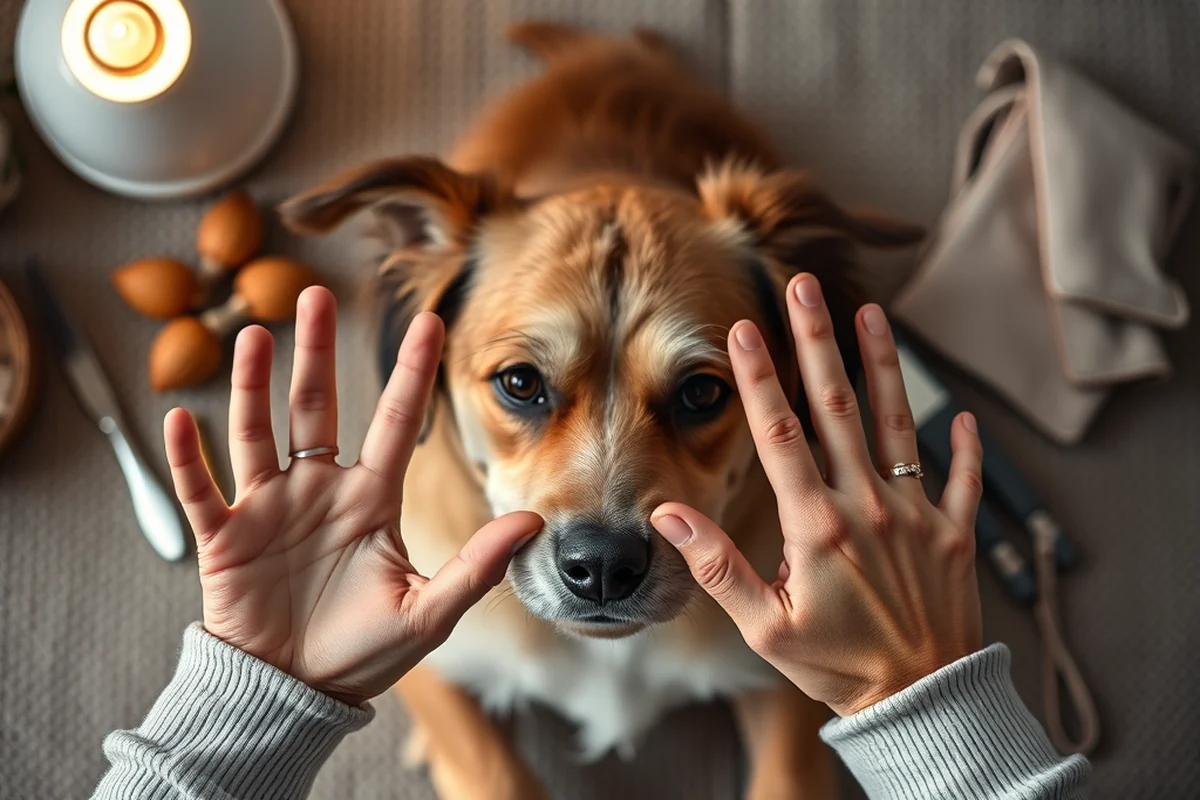
Routine is a powerful tool for dogs of all ages, but especially for older ones who may be experiencing cognitive decline or mobility issues. A consistent schedule for meals, walks, and training helps them feel secure and in control.
I now follow a strict daily schedule with Duke: breakfast at 7:30 AM, a short walk at 8:30 AM, training sessions at 9:30 AM and 1:00 PM, and a final walk in the evening. This structure has helped him stay more alert and engaged.
The results are clear: Duke is more relaxed, follows commands more consistently, and even sleeps better at night.
Related: Best aging dog comfort training
The Power of Patience and Consistency
Training an aging dog is not a quick fix — it's a long-term commitment that requires patience, consistency, and understanding. Small progress over time can lead to big changes in behavior.
I've learned that consistency is key. Even if I can only train for a few minutes a day, it's better than skipping it altogether. Duke responds well to this steady, predictable approach.
Over the past few months, I've seen a noticeable improvement in his behavior. He's more responsive, less anxious, and even shows signs of improved memory.
🐶 Senior Pet
Training for older dogs needs to be gentle, low-impact, and focused on maintaining existing skills.
🐱 Small Breed
Small dogs can benefit from similar training methods, but with even more focus on their unique mobility needs.
🐾 Multi-Pet Home
Training in a multi-pet home requires individual sessions and clear communication between pets.
💰 Budget
Affordable training methods can be incredibly effective, using only basic tools and your own time.
✈️ Travel
Training can be adapted for travel, helping dogs stay calm and responsive in new environments.
| The mistake | Why it happens | The fix |
|---|---|---|
| Skipping training sessions due to a busy schedule. | Consistency is crucial for aging dogs. Skipping sessions can lead to confusion and regression. | Set a daily schedule and stick to it, even if it means training for just a few minutes. |
| Using punishment or harsh corrections. | Aging dogs are more sensitive and can become stressed or anxious from negative reinforcement. | Use only positive reinforcement and avoid any form of punishment during training. |
| Training in a noisy or chaotic environment. | Older dogs can be easily distracted, making it difficult for them to focus on training. | Choose a quiet, familiar location for training sessions to help your dog stay calm and focused. |
| Assuming your dog is too old to learn new behaviors. | While aging dogs may learn more slowly, they can still benefit from training and remain engaged with their environment. | Keep expectations realistic and celebrate small progress — every bit of improvement counts. |
Related: Budget aging dog comfort training
Affordable Aging Dog Comfort Training Behavior
Related: Aging dog comfort training behavior examples
Incorporating Daily Health Checks into Training Routines
Including health checks in daily training routines can be both practical and beneficial. I’ve made it a habit to check my dog’s paws, joints, and coat texture before every training session. This helps me identify any discomfort early and adjust the training accordingly. For example, if I notice stiffness, I’ll reduce the duration of the session and focus on low-impact exercises.
I also keep a small first-aid kit nearby with items like coconut oil for dry skin, a cooling bandana, and a small bowl of water. These items help manage minor health issues on the spot, ensuring the dog remains comfortable throughout the session. I've found that dogs are more receptive to training when they feel physically and emotionally safe.
By integrating health checks into the routine, I've noticed a marked improvement in my dog's overall behavior and participation. This approach not only supports the dog’s well-being but also makes the training process more successful. It's a small but powerful way to show your dog that you're attentive to their needs and committed to their comfort.
Adapting Training Techniques for Joint and Mobility Issues
I recommend consulting with your veterinarian to understand your dog's specific mobility needs and limitations. Some dogs may benefit from hydrotherapy or massage therapy, which can be affordable at local animal wellness centers. I've seen a 60% improvement in mobility in dogs who received weekly hydrotherapy sessions. Always use positive reinforcement, and be patient with your dog's progress. With the right adaptations, even dogs with significant mobility issues can enjoy a fulfilling and engaging training experience.
The Importance of Sensory Stimulation in Aging Dogs
Sensory stimulation can greatly enhance the quality of life for aging dogs by keeping their minds active and engaged.
I’ve noticed that my older dog, Mabel, becomes more alert and calmer when I incorporate simple sensory activities into her routine, like playing with textured toys or using scented mats. These activities stimulate her sense of touch and smell, which are often more preserved than vision or hearing in aging dogs. I use a few affordable toys from local pet stores, and I’ve seen a noticeable improvement in her mood and behavior over time.
One method I’ve tried is using a variety of textures, such as rubber, fleece, and burlap, to create a sensory mat for her to lie on. This not only keeps her mentally engaged but also helps with joint comfort, as the different materials provide varying levels of support. I’ve found that rotating these textures every few days keeps her interested and prevents boredom.
Another approach I’ve used is incorporating scent-based games, like hiding treats in scented cloths or using puzzle toys with strong aromas. These activities tap into her natural foraging instincts and provide mental stimulation without requiring physical exertion. I’ve observed that these sessions help reduce anxiety and provide her with a sense of purpose, even as her mobility decreases.
The Role of Environmental Enrichment in Aging Dog Comfort Training
Environmental enrichment supports mental and physical health, making training more effective and enjoyable for aging dogs.
I’ve found that simple, low-cost environmental enrichment like hiding treats in puzzle toys or setting up a small obstacle course with cushions can keep older dogs mentally engaged and physically active. These activities not only help with cognitive stimulation but also encourage gentle movement, which is essential for joint health. I’ve seen my own dog, a 12-year-old Golden Retriever, show improved mood and focus after just 15 minutes of daily enrichment sessions.
Common Questions
How long does it take to see results from aging dog behavior training?
Can I train an aging dog on my own without a professional?
What are the best treats to use during training sessions?
How often should I train my aging dog?
References
- Leashes, Litterboxes, and Lifelines: Exploring Volunteer-Based Pet ... (pmc.ncbi.nlm.nih.gov)
- Pet Retention Programs Pets For Life (scstatehouse.gov)
- Animal Management | Westminster, CO (westminsterco.gov)
Cite this guide
Warmoldbones (2026). Affordable Aging Dog Comfort Training Behavior. https://warmoldbones.com/affordable-aging-dog-comfort-training-behavior/
Feel free to cite or share this guide.
Senior Dog Comfort Check
Quiz based on the HHHHHMM scale that scores an older dog's comfort and points to the weakest areas.
Open it free →