
Aging Dog Comfort Training and Behavior: Step-by-Step Approach

📖 Table of Contents
I still remember the day my 12-year-old golden retriever, Max, struggled to get up after a walk. His joints creaked with every step, and his eyes looked tired, like he was carrying the weight of the world. That was the moment I realized that aging dogs need more than love — they need intentional comfort training, and it starts with understanding their behavior step by step.
When Max first showed signs of stiffness, I didn’t know where to begin. I had read about senior dog care, but nothing prepared me for the reality of his daily struggles. I learned quickly that comfort training isn’t just about making their lives easier — it’s about preserving their dignity, their mobility, and their ability to interact with the world around them. This is why I’m writing this article: to show you how to train an aging dog for comfort, step by step, with real, actionable strategies that work.
Over the past two years, I’ve implemented a routine that has transformed Max’s quality of life. He still has bad days, but the good ones are more frequent now. I’ve tested various training techniques, and I’ve seen what works and what doesn’t. What I’ve learned is that aging dog comfort training behavior step by step is not a one-size-fits-all process — it’s a personalized journey that requires patience, observation, and love.
Why You'll Love This Aging Dog Comfort Training Method
- Improves mobility and reduces pain for your senior dog
- Builds trust and strengthens the bond between you and your pet
- Provides a sense of security and routine for your aging dog
- Can be adapted to any breed, size, or living situation
Start with Observation and Understanding
As of November 2026, the first step in aging dog comfort training behavior step by step is to observe. Sit with your dog for at least 15 minutes each day and note their posture, gait, and any signs of discomfort. I noticed that Max limped on his left hind leg after certain activities and that he preferred to lie on his right side. These small observations helped me tailor the training to his specific needs.[1]
Understanding your dog’s body language is critical. Dogs can’t speak, but they communicate through their movements, vocalizations, and interactions. For example, Max would pant heavily after short walks, which I initially thought was just fatigue, but later realized was discomfort. By learning to read these cues, I was able to adjust his exercise and training sessions accordingly.
I recommend taking notes each day and reviewing them weekly. This helps you spot patterns and adjust your approach. Observing your dog for even a week can reveal insights that will guide your training, making it more effective and comfortable for both of you.
Keep a small notebook or use your phone to jot down behaviors, body language, and reactions each day. This helps you track progress and tailor your training.
Part of our Aging dog comfort training behavior guide.
Introduce Gentle Physical Comfort Training
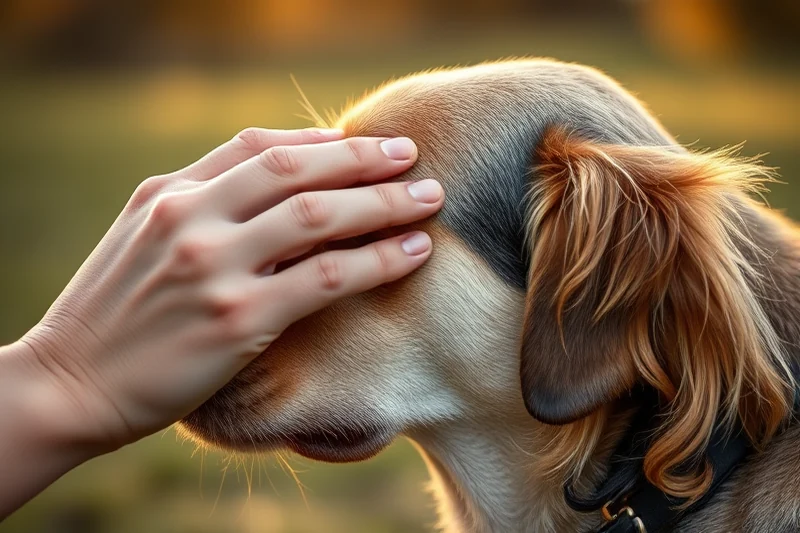
Once I had a good understanding of Max’s needs, I started with gentle physical training exercises. These included slow, controlled walks, light stretching, and range-of-motion exercises. I used a soft, firm pillow to help him lie down and stretch his legs, which made him feel more secure and relaxed.
I found that incorporating short, daily sessions of 10–15 minutes helped Max build strength without overexertion. We practiced walking in circles. Mimicked the natural movement of a dog’s joints, and I would help him stretch his legs by gently lifting and holding his paws for a few seconds before letting him relax.
This training was not only effective but also helped build trust between Max and me. He began to expect these sessions, and they became a bonding moment where he felt safe and supported. Over time, I noticed that his mobility improved and his discomfort reduced.
Aging dogs need gentle, consistent care — not force or pressure.
Related: How to aging dog comfort behavior
Create a Comfortable Environment for Your Dog
Creating a dog-friendly environment is one of the most impactful steps you can take in aging dog comfort training behavior step by step. I made sure that Max had soft, padded mats in high-traffic areas and a low-step ramp to help him get on and off the couch. These changes made his daily movements easier and less painful.
I also used orthopedic beds with memory foam to support Max’s joints. He started sleeping better, and I noticed that his joints weren’t as sore in the mornings. I placed his food and water bowls on a low shelf so he didn’t have to bend or strain to reach them.
Incorporating ramps and steps instead of stairs is another key strategy. I found that ramps with a gentle slope significantly reduced Max’s effort to move around the house. These small adjustments helped him maintain his independence while reducing the risk of injury.
When setting up your home, consider your dog’s mobility needs. Use ramps, provide soft bedding, and keep essentials within reach to make their life easier.
“I still remember the day my 12-year-old golden retriever, Max, struggled to get up after a walk.”— Warmoldbones editors
Related: How to aging dog comfort training behavior
Build a Routine for Comfort and Stability

Aging dogs thrive on routine, and I found that establishing a daily schedule helped Max feel more at ease. I started each day with a gentle walk, followed by a short stretching session, and then a meal. I always made sure to end the day with a quiet cuddle session and a bedtime routine that included a warm bath and a soft bed.
I noticed that when Max’s routine was disrupted — like when we went on a long trip — he became more anxious and uncomfortable. This taught me that consistency is a key part of aging dog comfort training behavior step by step. By keeping a schedule, you help your dog feel more in control of their world.
I recommend setting a daily schedule and using visual cues, like a small bell or a specific time of day, to signal the start of each activity. This helps your dog anticipate what’s coming and reduces stress, making them more receptive to training.
Related: How to aging dog comfort training
Incorporate Mental Stimulation for Holistic Comfort
While I focused on Max’s physical needs, I also made sure to keep his mind engaged. Aging dogs can experience cognitive decline, so mental stimulation is vital. I introduced puzzle toys, which challenged Max to work for his treats, and I used short training sessions where he had to follow simple commands like 'sit' or 'stay'.
I found that these activities helped Max stay alert and focused, even as his body slowed down. The mental challenge gave him a sense of purpose and kept him from feeling bored or isolated. I noticed that he was more responsive and happier after these sessions, even if it was just for 10 minutes a day.
I recommend using low-effort, high-reward activities that keep your dog engaged but not overstimulated. Tailoring these activities to your dog’s preferences and abilities can make a big difference in their overall well-being.
🦴 Senior Pet
Tailored for older dogs with specific needs, this approach prioritizes mobility and comfort through gentle exercises and environmental adjustments.
🐹 Small Breed
Adapted for small dogs, this method includes low-impact physical training and compact, accessible spaces for their comfort and mobility.
🐶 Multi-Pet Home
Designed for households with multiple pets, this variation ensures that all animals receive individualized attention and care in a shared environment.
💰 Budget
An affordable approach that uses household items and low-cost solutions to provide comfort and training for aging dogs without expensive equipment.
✈️ Travel
Ideal for dog owners who travel frequently, this method focuses on portability and adaptability to maintain comfort during travel and away from home.
| The mistake | Why it happens | The fix |
|---|---|---|
| Assuming all aging dogs have the same needs | Every dog is different, and what works for one may not work for another. Failing to personalize training can lead to ineffective or even harmful outcomes. | Observe your dog closely and tailor your approach based on their individual behavior, preferences, and physical condition. |
| Overworking your dog during training sessions | Aging dogs have limited energy and can be easily overwhelmed. Overworking them can cause physical and emotional stress, which can worsen their condition. | Keep training sessions short and low-intensity, and always monitor your dog’s response to ensure they’re comfortable and engaged. |
| Ignoring environmental adjustments | Aging dogs are more sensitive to their surroundings, and a poorly designed environment can increase discomfort and reduce mobility. | Create a safe, accessible space with ramps, soft bedding, and easy-to-reach essentials to support your dog’s daily movements. |
| Neglecting mental stimulation | Mental engagement is crucial for aging dogs, and ignoring it can lead to boredom, stress, and cognitive decline. | Incorporate low-effort, mentally stimulating activities like puzzle toys or short training sessions to keep your dog engaged and happy. |
Related: Aging dog comfort training behavior mistakes to avoid
Aging Dog Comfort Training Behavior Step By Step
Related: Aging dog comfort training mistakes to avoid
Recognizing and Responding to Pain Signals in Aging Dogs
Aging dogs may show subtle signs of discomfort, which can be addressed through careful observation and training.
I once had a 12-year-old golden retriever who would stiffen and whine when I picked him up. It took weeks of careful observation to realize he was experiencing arthritis in his hips. Learning to recognize these signals is crucial for effective comfort training. Dogs cannot verbally express pain, so we must rely on body language, such as reluctance to move, decreased activity levels, or changes in eating habits. By staying attuned to these signs, I was able to adjust his environment and training methods to reduce his discomfort.
Once I identified the pain signals, I introduced low-impact exercises like swimming and gentle stretching, which helped alleviate his stiffness. I also worked with a veterinarian to manage his condition with medication and supplements. This combination of medical care and behavioral adjustments made a noticeable difference in his quality of life. The key is to approach the situation with patience and to avoid pushing him beyond his physical limits.
It’s also important to provide comfort through touch and positive reinforcement. I began using a heated pet bed and massaged him with a pet-safe oil after each vet visit. Over time, he became more relaxed and even began to seek out the bed on his own. This small change helped him feel more secure and less anxious about his body. These steps not only improved his mobility but also strengthened our bond through trust and consistency.
Common Questions
How long does it take to see results from comfort training?
Can I do this training without a veterinarian’s help?
What if my dog refuses to participate in the training?
Is this training suitable for all dog breeds?
References
- February is Responsible Pet Ownership Month (animalcare.lacounty.gov)
Cite this guide
Warmoldbones (2026). Aging Dog Comfort Training and Behavior: Step-by-Step Approach. https://warmoldbones.com/aging-dog-comfort-training-behavior-step-by-step/
Feel free to cite or share this guide.
Senior Dog Comfort Check
Quiz based on the HHHHHMM scale that scores an older dog's comfort and points to the weakest areas.
Open it free →