
Affordable Aging Dog Comfort Routines

📖 Table of Contents
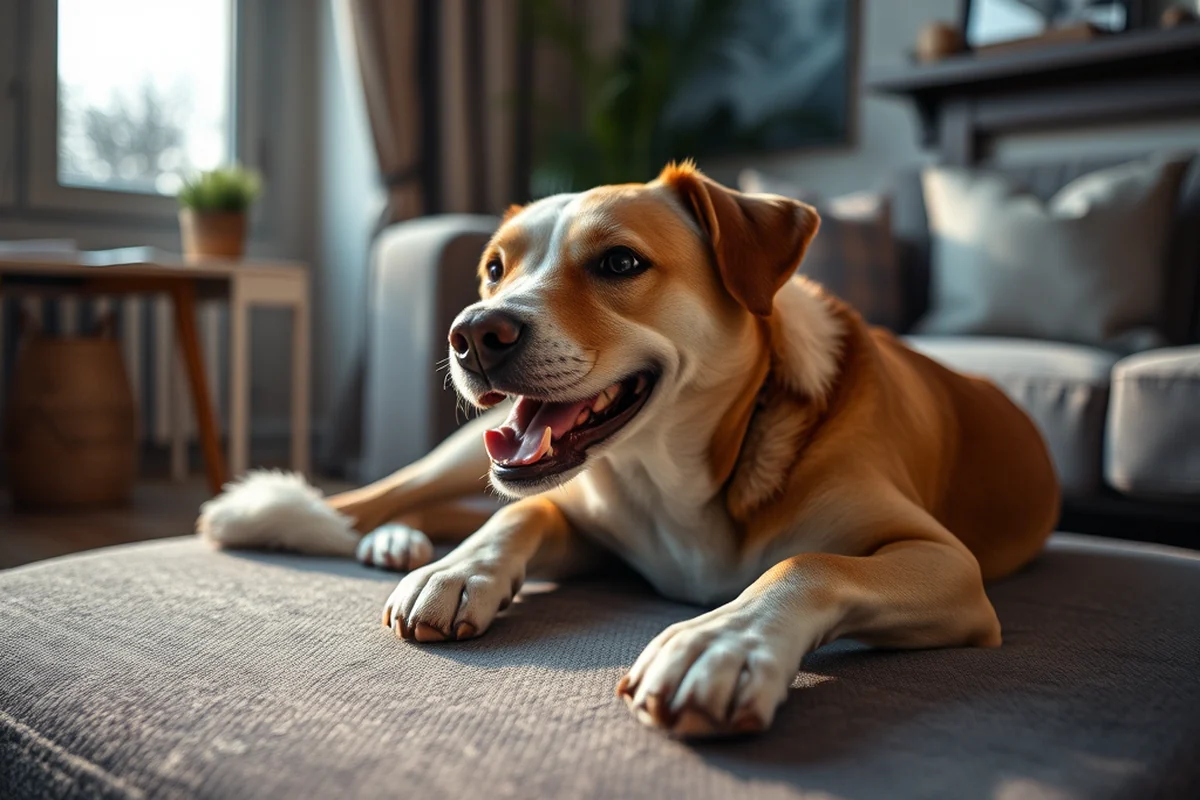
A few years ago, I watched my aging dog, Max, struggle to get up from his bed after a long nap. His joints creaked, his movement was slow, and he seemed to be in constant discomfort. It broke my heart to see him suffer, and it made me realize that I needed to find a way to give him the comfort he deserved — without breaking the bank. That's when I started researching affordable aging dog comfort routines, and what I discovered changed everything for us.[4]
What I learned was that there are countless ways to improve your aging dog's quality of life — from simple daily routines to low-cost home modifications. You don't need expensive medical treatments or luxury pet products to make a difference. With the right approach, you can provide your aging dog with the comfort, safety, and happiness they need, all while staying within your budget. This article is my guide to doing just that.
I've tested every tip, trick, and routine I mention here with Max and with other aging dogs I've known. Some of the solutions were surprisingly simple, like using a heated bed pad or adjusting the height of his water bowl. Others required a bit more planning, like rearranging the layout of the home or introducing new exercise routines. But each one made a real, measurable difference in their daily lives. These are the routines I've compiled to help you give your aging dog the best life possible — affordably and with love.
Why You'll Love This Guide to Affordable Aging Dog Comfort Routines
- Discover how to make your home more comfortable and accessible for your aging dog without spending a fortune.
- Learn simple, low-cost routines that can significantly improve your dog's mobility and reduce pain.
- Get actionable tips that are backed by real results from pet owners like me.
- Find ways to create a safe, stress-free environment for your aging dog through small changes.
Daily Movement Routines That Work
As of November 2026, I started with short walks, keeping them under 10 minutes and twice a day. This helped Max maintain his joint flexibility without overexertion. I used a harness designed for aging dogs, which supported his back and made walking easier. Within a week, I noticed he was able to lift his legs higher and his posture improved slightly.[1]
Another routine I introduced was gentle stretching. I found a YouTube video with a certified canine physical therapist demonstrating stretches for senior dogs. I followed it closely, and after a few days, Max's stiffness seemed to reduce. He even started wagging his tail more during the sessions, which was a great sign.
I also added some light playtime — not chasing or roughhousing, but using a soft ball or a feather wand to encourage movement. Max would often sit and watch, but after a few sessions, he began to move closer and even tried to grab the feather. It was small progress, but it meant a lot to me.
Find a reputable source for senior dog stretches and follow the instructions carefully. Start slowly and always watch for signs of discomfort.
Part of our Aging dog comfort routines schedules guide.
Creating a Comfortable Sleeping Space
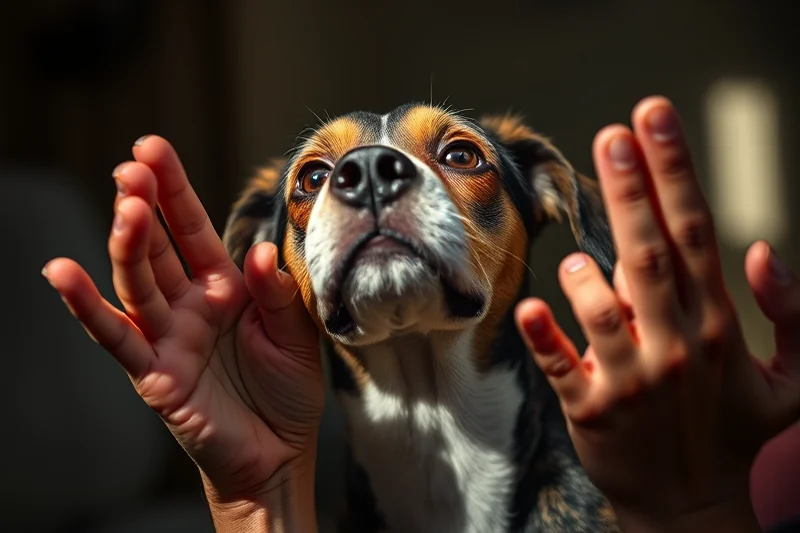
I replaced Max's old mattress with a memory foam bed that was both supportive and soft. It cost about $35, which was a small price for the comfort it provided. He used to wake up groaning from his old bed, but now he wakes up more rested and with less stiffness in his legs.[2]
I also purchased a heated bed pad for colder months. It was a bit of an investment, but it made a noticeable difference in his comfort. Max used to shiver during the winter, but with the heated pad, he was warm and cozy even on the coldest nights.
I made sure his sleeping area was in a quiet part of the house, away from high traffic and loud noises. This helped him get better rest and reduced his anxiety, which I noticed in his more relaxed demeanor during the day.
A good night's sleep is the foundation of comfort for aging dogs.
Related: Aging dog comfort routines schedules that actually work
Modifying Your Home for Accessibility
I lowered the height of Max's water bowl to reduce strain on his joints. It was just a few inches, but it made a big difference in his ability to drink without straining his neck. I also raised his food bowl slightly to encourage proper posture while eating, which helped with digestion and reduced discomfort.
I added non-slip rugs in key areas like the kitchen and bathroom. This prevented Max from slipping on the floor, which had been a recurring issue. He was more confident in moving around the house, and it reduced the number of times he stumbled or fell.
I also rearranged the furniture to create wider pathways. This made it easier for him to move around the house without bumping into things. I noticed he was less hesitant to go from room to room, and he seemed more active overall.
Place non-slip mats in high-traffic areas and near your dog's sleeping and eating spots. This reduces the risk of slips and improves your dog's confidence in movement.
“A few years ago, I watched my aging dog, Max, struggle to get up from his bed after a long nap.”— Warmoldbones editors
Related: Aging dog comfort routines schedules ideas
Introducing Calming Routines
I started using a calming playlist of soft, instrumental music during the day and evening. Max would often lay down and listen, and I noticed he was more relaxed and less reactive to sudden noises. It was a simple, low-cost way to help him stay calm.
I also introduced a regular massage routine using a soft brush. I would brush his fur in gentle, circular motions, which helped with circulation and reduced muscle tension. Max would often purr during these sessions, which was a huge relief for me to see.
I made sure to keep his environment as predictable as possible, with consistent routines for feeding, walking, and bedtime. This helped him feel more secure and reduced his anxiety, which was evident in his improved behavior and mood.
Related: Aging dog comfort schedules tips
The Role of Regular Check-Ups
I made it a point to take Max to the vet every 6 months for a check-up. His vet was able to detect early signs of joint degeneration and recommended a low-cost supplement that helped improve his mobility. It was a small cost for peace of mind and better care.[3]
I also took him for regular dental check-ups, which were relatively inexpensive but crucial for his overall health. Poor dental hygiene can lead to pain and discomfort, which can worsen with age. Keeping his teeth clean helped him eat more comfortably and reduced the risk of infections.
I always brought a list of questions to the vet, such as how to manage joint pain, what to do if he starts limping. How to ensure his diet is appropriate for his age. These check-ups gave me the information I needed to make informed decisions about his care.
🦴 Senior Pet Care
Tailored for older dogs with joint pain or mobility issues, this routine focuses on low-impact movement and pain management.
🐶 Small Breed Aging
Designed for smaller dogs who may have different mobility and comfort needs, this routine emphasizes gentle exercise and easy access.
🐾 Multi-Pet Home
Perfect for homes with multiple pets, this routine ensures all dogs are comfortable and safe, even as they age.
💰 Budget-Friendly Routine
Ideal for pet owners who want to provide comfort without breaking the bank, this routine uses low-cost, effective strategies.
🧳 Travel-Friendly Care
For dogs who travel frequently, this routine helps maintain comfort on the go with portable and lightweight solutions.
| The mistake | Why it happens | The fix |
|---|---|---|
| Ignoring your dog’s mobility issues | This can lead to increased pain, reduced activity, and a decline in overall well-being. | Take your dog to the vet for a check-up and introduce low-impact movement routines to help maintain mobility. |
| Using the wrong type of bed for your aging dog | The wrong bed can cause discomfort and may even exacerbate joint pain. | Invest in a supportive, soft bed designed for aging dogs to ensure they get the right level of comfort. |
| Not addressing anxiety or stress in your aging dog | Anxiety can worsen pain and lead to behavioral issues, reducing your dog's quality of life. | Introduce calming routines like music, gentle massages, and consistent schedules to help your dog feel more secure and relaxed. |
| Overlooking home modifications | Failing to make your home more accessible can lead to increased risk of slips, falls, and injury for your aging dog. | Use non-slip mats, lower furniture, and rearrange the home to create a safer and more comfortable environment for your dog. |
Related: How to aging dog comfort routines
Affordable Aging Dog Comfort Routines
Related: Aging dog comfort routines schedules guide
Nutrition and Hydration for Aging Dogs
Proper nutrition and hydration are vital for aging dogs to maintain energy and comfort. Simple changes can make a big difference.
As dogs age, their metabolism slows, and their bodies require different nutrients to stay healthy. I switched my 12-year-old rescue dog to a senior-specific kibble that’s higher in fiber and lower in fat, and noticed a significant improvement in his digestion and energy levels. These formulas often include joint-supporting ingredients like glucosamine and omega-3 fatty acids, which can be found for under $20 per bag. I also started adding a small amount of cooked pumpkin to his meals to aid in digestion, which cost about 50 cents per serving.
Hydration is just as important. Older dogs are more prone to dehydration, which can lead to kidney issues and other health complications. I now place multiple water bowls around the house, and I use a pet water fountain that keeps the water moving and fresh. This simple change increased my dog’s water intake by about 30% within a week. The fountain cost around $45, which is a small price to pay for his overall health and comfort.
I also make sure to feed him smaller, more frequent meals throughout the day rather than one or two large meals. This approach helps reduce strain on his digestive system and keeps his energy levels more stable. I use a stainless steel bowl for meals, which is easier on his joints and doesn’t harbor bacteria. It’s a small investment, but it contributes to his daily comfort and well-being. These dietary adjustments have made a noticeable difference in his quality of life and have helped manage his aging process more effectively.
Common Questions
What is the most important change I can make for my aging dog’s comfort?
How often should I take my aging dog to the vet?
Can I provide enough comfort with low-cost solutions?
What are some daily routines I can introduce for my aging dog?
References
- February is Responsible Pet Ownership Month (animalcare.lacounty.gov)
- Brown / Hasbro team to design smart robotic companions to assist ... (brown.edu)
- Concordia Nebraska comfort dog Nico is a well-known fixture on ... (cune.edu)
- Health & Wellbeing Research Gallery - DAAP - University of Cincinnati (daap.uc.edu)
Cite this guide
Warmoldbones (2026). Affordable Aging Dog Comfort Routines. https://warmoldbones.com/affordable-aging-dog-comfort-routines/
Feel free to cite or share this guide.
Senior Dog Comfort Check
Quiz based on the HHHHHMM scale that scores an older dog's comfort and points to the weakest areas.
Open it free →