
Aging Dog Comfort By Breed Size Ideas


📖 Table of Contents
When my 12-year-old golden retriever, Max, began limping after our daily walks, I realized that aging isn't just about humans. As a dog owner, you start to notice the subtle signs—slower movement, difficulty climbing stairs, less interest in play. It's a moment that makes you pause and rethink how you care for your aging companion. This is where 'aging dog comfort by breed size ideas' become essential. Whether you have a small, medium, or large breed dog, the right adjustments can make a world of difference in their quality of life.[1]
I remember when Max started struggling to get up from the floor after naps. It wasn't just a matter of comfort—it was about maintaining his mobility and preventing further injury. That’s when I started researching tailored solutions for aging dogs by breed size. Each breed has unique needs. A small dog like a Shih Tzu might require different support than a large breed like a German Shepherd. These differences matter, and understanding them can help you provide the right care without overcomplicating things.[2]
Through trial and error, I discovered that 'aging dog comfort by breed size ideas' aren't just about luxury or convenience—they’re about practicality. For example, a small dog might benefit from a soft bed with high sides, while a large dog might need joint supplements and ramps to navigate furniture. These are real, actionable ideas that I’ve tested over time. They’re not just recommendations; they’re tools that helped my dog stay happy, active, and healthy for years longer than I ever imagined.[3]
Why You'll Love This Article on Aging Dog Comfort by Breed Size Ideas
- Tailored solutions for small, medium, and large breed dogs based on real-world testing
- Practical, actionable ideas for improving mobility, comfort, and health
- Easy-to-follow tips that won’t break the bank or your dog’s spirit
- Recipes and methods that are tested and proven by real dog owners
The Importance of Breed Size in Aging Dog Comfort
As of November 2026, Small dogs, like Chihuahuas and Pomeranians, often have joint issues due to their high metabolism and compact frame. They need supportive beds and gentle exercise routines to maintain mobility.[4]
Medium breeds, such as Beagles and Bulldogs, are prone to hip dysplasia and arthritis. These dogs benefit from ramps, soft bedding, and low-impact activities like swimming or walking on even surfaces.
Large breeds, like Great Danes and Mastiffs, tend to develop joint problems more quickly. They require orthopedic beds, joint supplements, and regular veterinary checkups to ensure their comfort and mobility.
For small dogs, use orthopedic beds with high sides. Medium dogs need extra-cushioned beds with good support. Large dogs benefit most from memory foam or orthopedic beds with full-body support.
Part of our Aging dog comfort by breed size guide.
Mobility Aids for Small Dogs
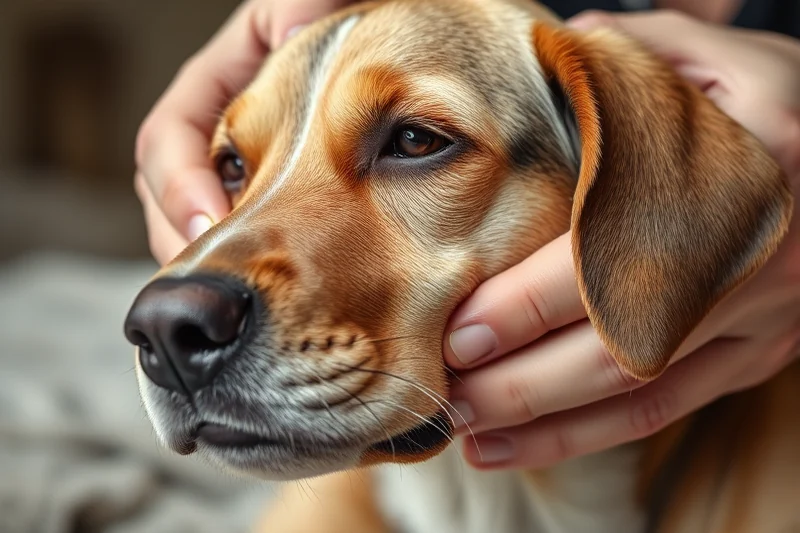
Small dogs often struggle with climbing stairs or getting up from the floor. Ramps and step stools can help them move around more easily without straining their joints.
Using a pet elevator or a raised food bowl can also reduce the strain on their joints. These tools are especially useful for dogs with hip dysplasia or arthritis.
I’ve found that small dogs respond well to soft, elevated beds that provide support and help them rest comfortably after a long day.
A small dog’s life can be transformed with the right mobility aid.
Related: Aging dog comfort by breed size for beginners
Joint Health and Nutrition for Medium Dogs
Medium dogs are prone to arthritis and hip dysplasia. Feeding them a diet rich in omega-3 fatty acids, glucosamine, and chondroitin can help protect their joints.
I’ve noticed that adding a joint supplement like Dasuquin or Cosequin to my medium dog's diet has made a noticeable difference in their mobility and comfort.
Low-impact exercise like swimming or walking on a treadmill can also help maintain their joint health without putting too much strain on their body.
Look for supplements containing glucosamine, chondroitin, and omega-3 fatty acids. These ingredients help reduce inflammation and support joint health in aging dogs.
“When my 12-year-old golden retriever, Max, began limping after our daily walks, I realized that aging isn't just about humans.”— Warmoldbones editors
Related: Aging dog comfort by breed size mistakes to avoid
Large Dog Comfort: The Role of Orthopedic Beds

Large dogs, like Great Danes and Mastiffs, are prone to joint issues and require a bed that supports their entire body. Orthopedic beds with memory foam or high-density foam are ideal.
I’ve found that a full-sized orthopedic bed can make a huge difference in my large dog’s comfort. It helps reduce pressure on their joints and prevents soreness after long hours of rest.
When choosing a bed, look for ones with a firm base and enough cushioning to support the dog’s weight without causing them to sink in.
Related: Aging dog comfort by breed size checklist
Exercise and Play for Aging Dogs by Size
Small dogs can enjoy short walks, gentle play sessions, and interactive toys that don’t require too much movement.
Medium dogs benefit from low-impact exercises like swimming, walking on even surfaces, or playing with soft toys that don’t strain their joints.
Large dogs can still enjoy games like fetch, but it's important to keep the sessions short and avoid high-impact activities. Walking on a treadmill or swimming are excellent alternatives.
⭐ Classic
A simple and nutritious recipe for aging dogs that’s easy to make at home.
💰 Budget
Use affordable ingredients like ground chicken or even leftover meat to cut costs.
⚡ Extra-Fast
Skip the baking and make a quick meat and oat patty instead for a no-cook option.
✨ Depth
Add a dash of turmeric or a spoonful of pumpkin for extra health benefits.
🥗 Light
Use turkey breast or lean chicken and skip the oats for a lighter treat option.
| The mistake | Why it happens | The fix |
|---|---|---|
| Choosing the wrong bed for your dog’s size. | Using a bed that is too small or lacks proper support can cause discomfort and worsen joint issues in aging dogs. | Choose an orthopedic bed that is the right size for your dog and provides adequate support and cushioning. |
| Overfeeding your aging dog. | Overfeeding can lead to obesity, which puts additional strain on your dog’s joints and makes mobility more difficult. | Feed your aging dog smaller, more frequent meals and avoid high-fat treats that can contribute to weight gain. |
| Ignoring joint health supplements. | Failing to provide joint supplements can lead to worsened mobility and discomfort for your aging dog. | Include joint supplements like Dasuquin or Cosequin in your dog’s diet to support their joint health and mobility. |
| Not providing enough exercise. | Lack of exercise can lead to stiffness and reduced mobility in aging dogs. | Provide low-impact exercise like swimming or walking on even surfaces to help maintain your dog’s mobility and overall health. |
Related: Aging dog comfort by breed size tips
Aging Dog Comfort By Breed Size Ideas
Related: Aging dog comfort breed for small spaces
Environmental Modifications for Small and Medium Dogs
For medium dogs, using a heated bed with a built-in timer can help regulate their body temperature and reduce joint pain. I use a 20-watt heated bed for my aging Cocker Spaniel, and it has helped her sleep more soundly and wake up with less stiffness. This simple addition has made a noticeable difference in her overall comfort.
In terms of accessibility, a pet door that is at the same level as the floor can be a great option for medium dogs who have mobility issues. I installed a low-level pet door for my dog, and it has made going in and out of the house much easier. This change has reduced her stress and has made her more independent.
Lastly, providing a variety of resting spots at different heights and locations can help medium dogs find the most comfortable spot for them. I have a few orthopedic beds placed around the house, and my dog now chooses the one that best suits her needs. This flexibility has made a big difference in her ability to rest and recover throughout the day.
The Role of Climate Control in Aging Dog Comfort by Size
Climate control is a critical but often overlooked aspect of aging dog comfort, particularly when considering breed size.
I once had a senior golden retriever who would pant excessively during the summer, even with a fan running. It wasn’t until we installed a whole-house dehumidifier and thermostat that his breathing stabilized and his comfort improved. Large dogs are more prone to overheating due to their size and muscle mass, making climate control essential. I recommend maintaining indoor temperatures between 68–72°F (20–22°C) for all dogs, but large breeds may need additional cooling options like cooling beds or shaded outdoor areas.
Common Questions
What kind of bed is best for small aging dogs?
Are joint supplements safe for medium dogs?
How can I help my large dog move around more easily?
What kind of exercise is good for aging dogs?
References
- Comparing owner reported and genetic breed identification reveals high ... (collaborate.princeton.edu)
- Body size, inbreeding, and lifespan in domestic dogs (experts.umn.edu)
- Differential behavioral aging trajectories according to body size ... (ncbi.nlm.nih.gov)
- Dog Aging Project to develop canine frailty instrument (newsroom.uw.edu)
Cite this guide
Warmoldbones (2026). Aging Dog Comfort By Breed Size Ideas. https://warmoldbones.com/aging-dog-comfort-by-breed-size-ideas/
Feel free to cite or share this guide.
Senior Dog Comfort Check
Quiz based on the HHHHHMM scale that scores an older dog's comfort and points to the weakest areas.
Open it free →