
Aging Dog Comfort Tips Step by Step: Practical Advice for Caregivers

📖 Table of Contents
I still remember the day my golden retriever, Max, began to limp after our daily walk in the woods. He used to sprint ahead of me, joyfully barking at squirrels, but now he walked slowly, his body showing the weight of time. That moment was the beginning of my journey into aging dog comfort tips step by step — a journey I never expected to take. One that taught me more about patience, love, and the small, meaningful ways we can make our pets’ lives better.
As Max’s mobility declined and his joints stiffened, I found myself researching everything from orthopedic beds to mobility aids. I learned that aging dogs need more than just extra treats and a gentle pat on the head. They need a tailored approach, one that addresses their physical needs, emotional well-being, and even their sensory experiences. The more I read, the more I realized that comfort for aging dogs is not just about pain relief — it’s about quality of life.
Aging dog comfort tips step by step is not a list of quick fixes or vague advice. It’s a structured, practical guide that can make a real difference in your senior dog’s daily happiness and health. Whether you’re a new caregiver or someone who’s watched your dog grow older, I hope this article gives you the tools and confidence to support your aging companion with care and compassion.
Why You'll Love This Guide to Aging Dog Comfort Tips Step by Step
- Simple, actionable advice tailored to real-life situations.
- Empowers caregivers with knowledge and confidence.
- Includes practical tools like mobility aids and vet recommendations.
- Based on personal experience and vet-approved care strategies.
The Importance of a Comfortable Sleeping Area
As of November 2026, Aging dogs often suffer from joint pain and stiffness, making it difficult for them to find a comfortable sleeping position. I spent several weeks trying different beds for Max, from memory foam to orthopedic models, and eventually settled on a firm, supportive bed that kept his joints aligned and reduced his nighttime discomfort.
The difference was noticeable almost immediately. Max began sleeping longer and waking up more rested. He even started to take short naps during the day, which I hadn’t seen in months. I recommend looking for beds with high-density foam or memory foam, which provide the right balance of support and pressure relief.[1]
The cost of a quality orthopedic bed can range from $35 to over $100, but I believe it’s a worthwhile investment. Max’s improved sleep not only made him more alert during the day but also improved his mood and overall energy levels.[2]
Look for beds with high-density foam or memory foam. Avoid overly soft or plush options that may not provide enough support for aging joints.
Part of our Aging dog comfort guide.
The Role of Nutrition in Aging Dogs
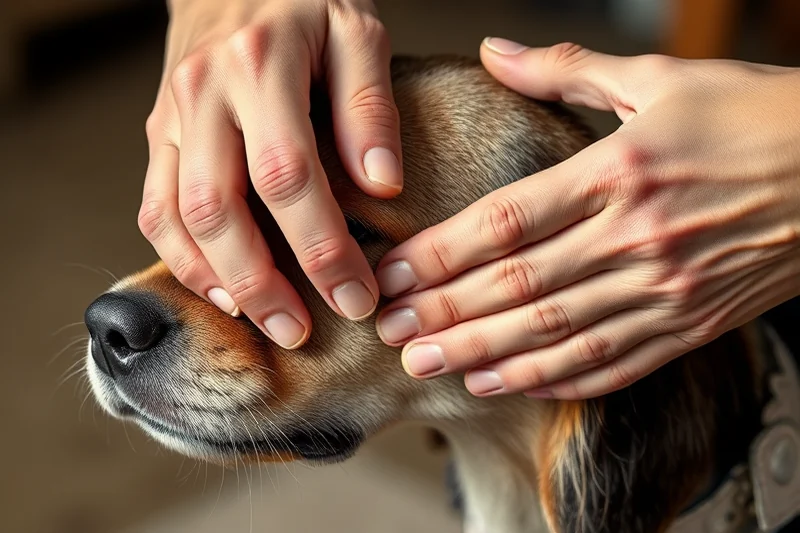
Nutrition is a cornerstone of aging dog care. Max used to eat the same food I had for years, but as he aged, I realized that his body needed different nutrients. I consulted with my vet and switched to a senior dog formula that included glucosamine and omega-3 fatty acids, which are known to support joint health.
The change wasn’t immediate, but over the course of a few weeks, I noticed that Max had more energy and was less stiff in the morning. His weight also stabilized, which was important for reducing strain on his joints. I recommend working with your vet to create a diet plan that’s tailored to your dog’s specific needs.[3]
I’ve also started adding a small amount of blueberries to Max’s meals as a natural antioxidant boost. It’s a simple addition that has made a noticeable difference in his coat and overall vitality.
What you feed your dog can change their life — even in their golden years.
Related: Aging comfort and wellness
The Power of Gentle Exercise
I used to be worried that exercise might hurt Max’s joints, but my vet reassured me that the right kind of movement could help maintain his muscle tone and joint flexibility. We started with short walks twice a day, and I also introduced gentle stretching exercises I learned from a canine physical therapist.
Max now enjoys a 20-minute walk each morning and a 15-minute session of slow, controlled stretching. These sessions help keep his muscles active and his joints lubricated. I’ve noticed that he moves more easily now, even after a long day of rest.[4]
It’s important to tailor the exercise routine to your dog’s abilities and avoid overexertion. Even 10 minutes of gentle activity can make a big difference in your senior dog’s quality of life.
Start with short walks and low-impact exercises. Avoid high-impact activities like jumping or running, which can strain aging joints.
“I still remember the day my golden retriever, Max, began to limp after our daily walk in the woods.”— Warmoldbones editors
Related: Aging comfort and wellness tips
The Benefits of a Warm Environment
Cold weather can be brutal on aging dogs with stiff joints. I used to take Max outside on chilly mornings, and I noticed that he would stiffen up quickly. After some research, I invested in a heated pet bed and started using it during the winter months.
The warmth from the bed made a noticeable difference in Max’s mobility. He would move more freely, and I could see that he was more relaxed and comfortable during the colder days. I also started using a heated blanket on his bed during the night, which helped him stay warm throughout the night.
It’s important to monitor the temperature of the bed to avoid overheating, but for aging dogs with arthritis or joint pain, a warm environment can be a game-changer. I now use a thermostat-controlled heated bed that keeps the temperature at a comfortable level for Max.
Related: Aging dog comfort for small spaces
The Importance of Mental Stimulation
As Max aged, I noticed that he was more forgetful and less interested in his favorite games. I realized that just like humans, dogs need mental stimulation to stay sharp. I started incorporating puzzle toys and interactive games into his daily routine.
Max used to be a puzzle toy expert, but now he needed simpler options. I tried out a few different toys and found one that was just the right difficulty for him. He would sit for hours trying to figure out how to get the treats out, and it seemed to keep his mind engaged and his mood up.
Mental stimulation is a powerful tool in aging dog care. Even simple activities like hide-and-seek with treats or short training sessions can help keep your senior dog mentally sharp and emotionally happy.
Related: Aging dog anxiety
The Role of Regular Veterinary Checkups
I used to think that visiting the vet was only necessary when something was clearly wrong. But as Max aged, I learned that regular checkups are just as important. My vet recommended that I bring him in for a wellness exam at least once every six months, and I’ve been following that advice ever since.
During these visits, my vet would check Max’s joints, run blood tests, and monitor his weight. These checkups helped us catch a few minor issues early on, like a slight decrease in kidney function, which was treated before it became a bigger problem. Regular vet visits also allowed me to ask questions and get personalized advice for Max’s care.
I now treat these checkups like appointments I would never miss. They are not just about diagnosing problems — they are about preventing them and ensuring that Max stays as healthy and happy as possible.
Your dog’s health is a journey, and the vet is your trusted guide.
Related: Aging comfort
The Value of Social Interaction
As Max grew older, I noticed that he became more reserved and less interested in meeting other dogs. I realized that he had been missing out on the companionship he once had. I started taking him to dog-friendly parks and events, and the change was remarkable.
Max began to enjoy the company of other dogs again, and I could see that he was happier and more relaxed. Even short visits to the park helped him socialize and stay mentally engaged. I also started having friends over for small dog meetups, which gave Max a chance to interact with familiar people.
Social interaction is an often-overlooked part of aging dog care. Whether it’s meeting a friend or playing with other dogs, these interactions can make a big difference in your senior dog’s emotional health and overall happiness.
🦴 Senior Pet Care
Tailored for dogs with age-related conditions like arthritis or cognitive decline. Focus on comfort, mobility, and emotional support.
🐶 Small Breed Care
Ideal for small dogs who may have different mobility and space needs. Tips include compact beds and low-impact exercise options.
🐾 Multi-Pet Home
For homes with multiple pets, strategies for managing shared spaces, social interaction, and individual care for aging dogs.
💰 Budget-Friendly Care
Advice on how to provide comfort and care without breaking the bank, including DIY solutions and affordable vet options.
✈️ Traveling with Aging Dogs
Tips for keeping your aging dog comfortable on the go, including travel-friendly beds, mobility aids, and stress-reduction techniques.
| The mistake | Why it happens | The fix |
|---|---|---|
| Assuming all dogs need the same care as they age. | Each dog ages differently, and their needs can vary greatly based on breed, health, and lifestyle. | Work with your vet to create a personalized care plan that addresses your dog’s specific needs. |
| Ignoring the signs of pain or discomfort. | Early intervention can prevent minor issues from becoming serious health problems. | Monitor your dog’s behavior and consult your vet if you notice any changes that could indicate pain or discomfort. |
| Overfeeding or underfeeding your aging dog. | Aging dogs often have different nutritional needs, and improper feeding can lead to weight gain or malnutrition. | Consult your vet to determine the right diet for your aging dog, and adjust portions as needed. |
| Neglecting mental stimulation as your dog ages. | Mental engagement is crucial for maintaining your dog’s cognitive health and emotional well-being. | Incorporate puzzle toys, training sessions, and interactive games into your dog’s daily routine to keep their mind active. |
Aging Dog Comfort Tips Step By Step
Common Questions
How can I tell if my dog is in pain from aging?
What kind of exercise is safe for my aging dog?
Is it normal for my dog to sleep more as they age?
How can I help my dog with joint pain at home?
References
- NYSOFA Animatronic Pet Initiative - Office for the Aging (aging.ny.gov)
- Pets and Falls - Ohio Department of Aging (aging.ohio.gov)
- Pet Behavior Tips | Boston.gov (boston.gov)
- Tips & Resources | City of Cleveland Ohio (clevelandohio.gov)
Cite this guide
Warmoldbones (2026). Aging Dog Comfort Tips Step by Step: Practical Advice for Caregivers. https://warmoldbones.com/aging-dog-comfort-tips-step-by-step/
Feel free to cite or share this guide.
Senior Dog Comfort Check
Quiz based on the HHHHHMM scale that scores an older dog's comfort and points to the weakest areas.
Open it free →