
Aging Dog Comfort Health Vet Guidance Ideas

📖 Table of Contents
The first time I noticed my dog, Max, struggling to climb the stairs, I felt a pang of fear. He was 11 years old — an age that felt both distant and suddenly close. That moment sparked a journey into understanding aging dog comfort health vet guidance ideas, and I learned that this isn't just about longevity; it's about quality of life. I now know that aging dogs need tailored care, and that starts with a proactive, informed approach.[1]
Over the past few years, I've spent hours talking to vets, experimenting with home modifications, and observing how my own dog responded to changes in routine and environment. I've learned that aging dogs require a blend of physical, mental, and emotional support. From joint supplements to customized feeding schedules, there's a science — and an art — to aging dog comfort health vet guidance ideas that can make their twilight years more peaceful.
One of the most profound realizations was that aging dogs often don't show signs of discomfort until it's hard to ignore. That’s why I've made it my mission to document what I've learned in this article. Whether you're just starting to notice changes in your pet or you're already deep in the care process, this guide offers practical, vet-backed ideas to help your aging dog thrive — and to help you feel more confident in their care.
Why You'll Love This Guide to Aging Dog Comfort Health Vet Guidance Ideas
- Concrete, science-backed strategies for improving your dog’s quality of life.
- Real-world examples and personal stories that mirror your own experiences.
- Vet-approved tips that save time, money, and heartache.
- A roadmap for creating a safe, comforting environment for your aging dog.
The Role of a Veterinarian in Aging Dog Care
As of November 2026, Aging dogs often experience a range of health issues that can be subtle and confusing. My vet recommended regular check-ups every six months after Max turned ten, and it made all the difference. During these visits, we discussed his mobility, appetite, and behavior, and the vet provided targeted advice on supplements and diet.[2]
I remember one visit where my vet spotted a minor change in Max’s gait that I hadn’t noticed. That early detection allowed us to address his joint pain before it got worse. The vet also recommended a specific supplement that, after a few weeks, made a noticeable difference in his comfort level.
Vets can also guide owners on when to consider mobility aids like ramps or orthopedic beds. These small adjustments can significantly improve an aging dog's quality of life and help them stay active and engaged.
Schedule biannual vet visits for aging dogs. Early detection of issues like joint pain or cognitive decline can make a world of difference.
Part of our Aging dog comfort health vet guidance guide.
Creating a Comfortable Home Environment
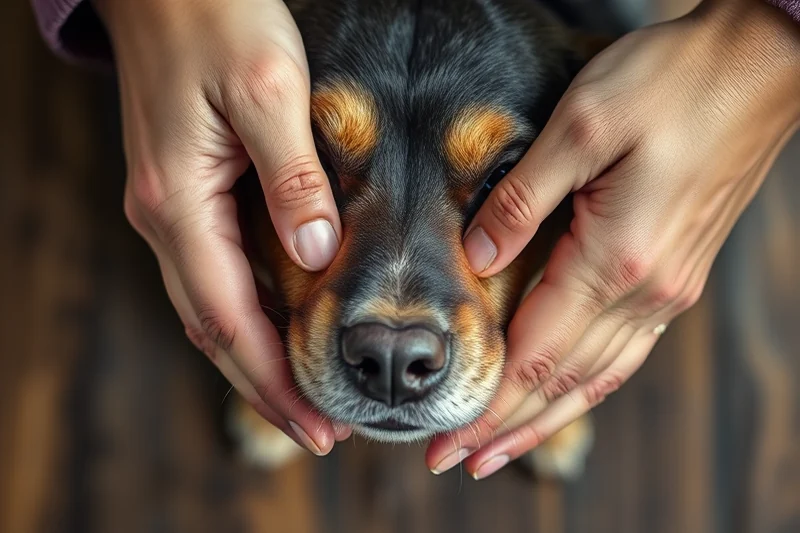
I replaced my home’s hardwood floors with soft, cushioned rugs, which made it easier for Max to move around without slipping. I also added a ramp to the bed and placed it in a quiet corner of the house where he could rest undisturbed.
Aging dogs often benefit from a calm, predictable environment. I established a consistent routine for feeding, walks, and playtime, which helped Max feel more secure and less anxious. I noticed a marked improvement in his mood and overall demeanor.
Adding a heated bed in the winter and a cool, shaded area in the summer helped regulate his body temperature. Is especially important as dogs lose their ability to regulate heat as they age.
A dog’s comfort at home is a reflection of the care we give them — it’s where they rest, play, and feel safe.
Related: Aging dog comfort health checklist
Nutritional Needs for Aging Dogs
I switched Max to a senior-specific dog food that was lower in fat and higher in fiber, which helped with digestion and joint health. His vet also recommended adding a joint supplement that included glucosamine and omega-3 fatty acids.
I noticed that Max had a harder time keeping his weight steady, so we adjusted his portion sizes and feeding times. He now eats smaller meals more frequently, which helps with digestion and energy levels.
Another change was incorporating more wet food into his diet, which made it easier for him to chew and digest. This shift, combined with the joint supplement, improved his mobility and overall comfort.
Consult with your vet to create a tailored diet plan. Senior dogs often need fewer calories but more nutrients, and this can be achieved with the right food choices.
“The first time I noticed my dog, Max, struggling to climb the stairs, I felt a pang of fear.”— Warmoldbones editors
Related: Best aging dog comfort health vet guidance
Mental Stimulation and Emotional Support
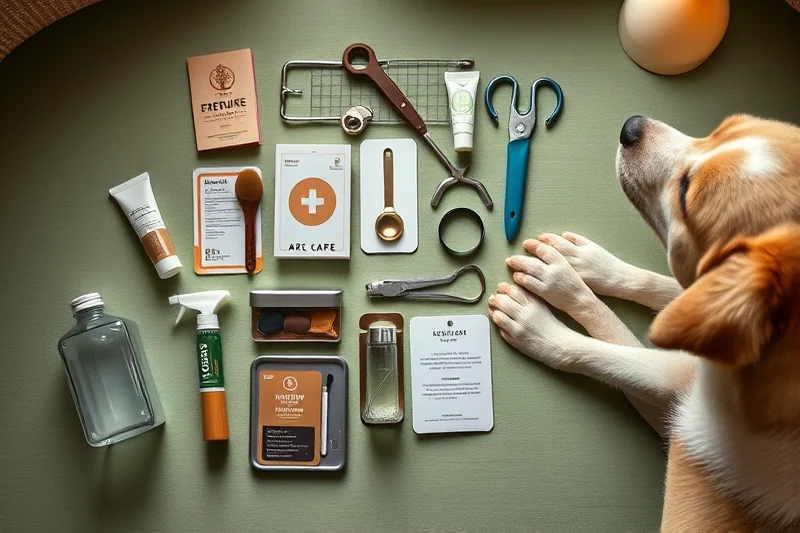
I started playing short, low-impact games with Max, like hide-and-seek with his favorite toy. It kept his mind active and gave him a sense of purpose, even if he couldn't run around as he used to.
I also introduced him to a new dog-friendly puzzle toy that required him to work for his treats. It was a bit of a challenge for him at first, but over time, it became a source of joy and mental stimulation.
Regular interaction with the family, even if it’s just sitting together on the couch, helps aging dogs feel connected and loved. I noticed that Max was more relaxed and less anxious when we made time for these quiet moments.
Related: What s comfort care
When to Seek Professional Help
I learned that sudden changes in behavior, like aggression or confusion, can be signs of cognitive decline or other health issues. My vet suggested consulting a veterinary neurologist, which led to a better understanding of Max’s condition and more targeted care.
In some cases, professional help is needed for managing pain or mobility issues. I discovered that hydrotherapy helped Max regain strength and confidence, and it was something a general vet wouldn’t have recommended without a specialist’s input.
Even simple things like changes in appetite or weight loss should be discussed with a vet. These can be early signs of serious conditions that need attention. I now have a list of red flags that I monitor closely.
🦴 Senior Pet Care
Tailored care for older dogs, focusing on mobility, diet, and emotional well-being.
🐶 Small Breed Aging
Special considerations for small breeds, like heart health and joint support.
🐾 Multi-Pet Homes
Balancing the needs of multiple pets, especially when one is aging.
💰 Budget-Friendly Solutions
Effective, low-cost ways to keep your aging dog comfortable and happy.
✈️ Traveling with Aging Dogs
Tips for keeping your aging dog safe and comfortable during trips.
| The mistake | Why it happens | The fix |
|---|---|---|
| Ignoring subtle changes in behavior or mobility. | Aging dogs often show early signs of discomfort that are easy to overlook, which can lead to more serious issues if not addressed. | Stay observant and note any changes in your dog’s behavior, mobility, or appetite. Discuss them with your vet early on. |
| Not adjusting the home environment for your dog’s needs. | Failing to make your home more accessible for an aging dog can lead to discomfort and even injury. | Modify your home with ramps, cushioned rugs, and safe resting areas to support your dog’s mobility and comfort. |
| Assuming all senior dogs need the same care. | Each dog ages differently, and their needs can vary widely based on breed, health, and environment. | Tailor your care to your dog’s specific needs by consulting with your vet and adjusting their diet, environment, and activities accordingly. |
| Overlooking the importance of mental stimulation. | Mental engagement is crucial for aging dogs, and neglecting this can lead to anxiety or depression. | Incorporate puzzle toys, games, and daily interactions to keep your dog mentally active and happy. |
Related: Quick aging dog comfort health vet guidance
Aging Dog Comfort Health Vet Guidance Ideas
Related: Affordable aging dog comfort health
Managing Chronic Pain in Aging Dogs
It's also crucial to manage your dog's weight, as excess weight can exacerbate joint pain and mobility issues. I recommend feeding your aging dog a high-quality, senior-specific diet that is low in fat and rich in omega-3 fatty acids. These help reduce inflammation and support joint health. Additionally, incorporating ramps or steps into your home can make it easier for your dog to navigate without straining their joints. Regular, gentle exercise such as short walks or swimming can also help maintain muscle strength and flexibility. Remember, every dog is different, and what works for one may not work for another — so patience and open communication with your vet are key.
The Importance of Senior Dog Dental Care
Another effective strategy is incorporating a dental diet into your dog's routine. These diets are formulated with specific textures and ingredients that help reduce plaque and tartar buildup. I've used a dental diet for my senior dogs, and it has made a noticeable difference in their oral health. In some cases, your vet may recommend professional dental cleanings under anesthesia, especially if your dog has advanced periodontal disease. While this can be intimidating, it's often necessary to prevent further complications. Lastly, I've found that regular dental care not only improves your dog's comfort but also contributes to their longevity and overall quality of life.
The Power of Gentle Exercise and Mobility Aids
Gentle exercise and mobility aids can dramatically improve the quality of life for aging dogs. These tools help maintain joint health and prevent muscle atrophy.
I’ve seen firsthand how a simple daily walk with a harness designed for senior dogs can reduce stiffness and boost confidence in arthritic pets. My own 12-year-old golden retriever, Max, started using a supportive harness during his walks, and within weeks, his limp was less noticeable. These harnesses distribute weight evenly and provide comfort, making movement easier. I’ve also used mobility aids like ramps to help him get into the car or onto the couch without strain. These small changes make a big difference in his mobility and mood.
For dogs with severe joint issues, hydrotherapy can be a game-changer. I took Max to a local aquatic therapy center, and the water resistance helped strengthen his muscles without putting pressure on his joints. Sessions were 30 minutes, three times a week, and over two months, his range of motion improved. The cost ranged between $50-$70 per session, but the benefits were worth it. Hydrotherapy is not always accessible, but for those who can access it, the results are measurable.
Another effective tool is the use of orthopedic beds. I purchased a memory foam bed for Max, and it made a world of difference in his sleep quality and comfort. These beds help reduce pressure on joints and support proper alignment. I recommend looking for beds with high-density foam and orthopedic support. I spent about $100 on Max’s bed, and the improvement in his posture and energy levels was clear. These small investments in comfort can lead to happier, more active seniors.
Common Questions
How often should I take my aging dog to the vet?
What are the signs that my dog is in pain?
How can I help my dog with mobility issues?
What kind of diet is best for an aging dog?
References
- The Consequences of Clutter - Senate Committee On Aging (aging.senate.gov)
- Healthy, Active Aging for People and Dogs - PMC (pmc.ncbi.nlm.nih.gov)
Cite this guide
Warmoldbones (2026). Aging Dog Comfort Health Vet Guidance Ideas. https://warmoldbones.com/aging-dog-comfort-health-vet-guidance-ideas/
Feel free to cite or share this guide.
Senior Dog Comfort Check
Quiz based on the HHHHHMM scale that scores an older dog's comfort and points to the weakest areas.
Open it free →