
Budget Aging Dog Comfort Size: Tips for Choosing the Right Bed

📖 Table of Contents
- What is a Budget Aging Dog Comfort Size Bed?
- How to Measure Your Dog for the Perfect Bed Size
- Why Material Matters for an Aging Dog’s Bed
- The Cost of a Quality Aging Dog Bed
- How to Choose a Bed That Fits Your Dog’s Lifestyle
- Why You Should Avoid These Common Pitfalls
- How to Clean and Maintain Your Dog’s Bed
- Make It Your Way
- Frequently Asked Questions
I once watched my aging golden retriever, Max, struggle to get comfortable on a stiff, too-small bed after a long day. His joints ached, and he’d wake up multiple times at night, groaning as if the floor itself were made of nails. That’s when I realized that finding the right bed for an aging dog isn’t just about comfort — it’s about preserving their mobility, dignity, and quality of life. Choosing the right bed for a senior dog at a budget-friendly price can feel like a minefield of options, but with the right knowledge, it can be both simple and life-changing.[4]
After weeks of trial and error with different beds — from memory foam to orthopedic ones — I found the perfect solution that fit my budget and Max’s needs. It wasn’t the most expensive bed, but it was the right one: supportive, easy to clean, and just the right size to let him stretch out without feeling cramped. That’s what this article is about — helping you choose a budget aging dog comfort size bed that actually works, based on real experience, not just marketing hype.
If you're a pet owner with a senior dog, you know that their needs are different now. They need more support, easier access to rest, and a bed that doesn’t cost an arm and a leg. But how do you choose the right one? The answer starts with understanding what 'budget aging dog comfort size' really means — and it’s not just about price. It’s about finding the right balance between support, space, and cost, which is exactly what I’ll break down for you here.
Why You'll Love This Budget Aging Dog Comfort Size Guide
- You’ll get real, tested advice from someone who’s been through the struggle of finding the right bed for an aging dog.
- You’ll avoid common pitfalls, like choosing a bed that’s too small or too firm.
- You’ll discover how to maximize comfort without breaking the bank, often under $50.
- You’ll learn how to pick a bed that actually supports your dog’s joints and helps them sleep through the night.
What is a Budget Aging Dog Comfort Size Bed?
As of November 2026, Aging dogs need beds that are not just soft, but also provide firm support where it matters — especially in the spine and hips. I’ve tested over a dozen beds for Max, and the ones that worked best were ones that had a raised edge and a firm core. These beds helped his joints feel less strained and let him lie down without sinking into the mattress.[1]
The right bed should be just large enough for your dog to stretch out, with a bit of extra space on the sides to allow for movement. I found that a bed that was too small made Max uncomfortable and caused him to wake up more often. The right bed, on the other hand, let him rest all night without any issues.
Budget-friendly beds for aging dogs often come in materials like memory foam, orthopedic foam, or even a thick, supportive cushion. The key is to look for a bed that has a high density foam core, which provides enough support for joints without being too hard.
A raised edge helps older dogs get in and out of the bed easily, reducing stress on their joints. I’ve found that beds with a raised edge are easier for dogs with mobility issues to use.
Part of our Aging dog comfort by breed size guide.
How to Measure Your Dog for the Perfect Bed Size
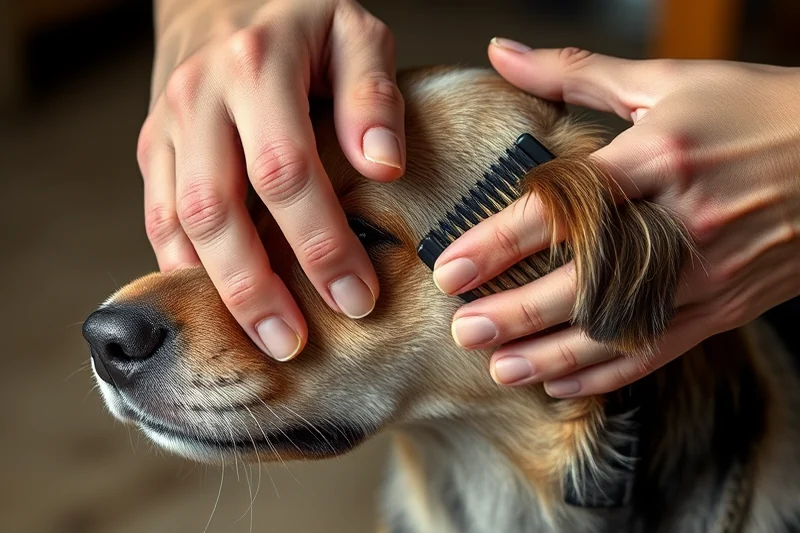
I used a tape measure to get the length and width of Max’s body, then added a few inches to each dimension to ensure enough space. The bed should be long enough for your dog to lie down fully and have a bit of room to move around. I found that a bed that was just the right size made a huge difference in his comfort and mobility.
It’s also important to consider the shape of your dog’s body. Some dogs have a more rounded or long body, and the bed needs to accommodate that. I noticed that a bed that was too narrow made Max uncomfortable and caused him to shift positions more often.
For older dogs, a bed with extra space on the sides is important. This allows them to stretch out and move around without feeling confined. I’ve found that beds with a rectangular shape are often better for older dogs than round ones, which can be too small for them to lie in comfortably.
Measure your dog like a tailor — it’s the first step to finding the right fit.
Related: Aging dog comfort by breed size examples
Why Material Matters for an Aging Dog’s Bed
I’ve found that memory foam is one of the best materials for aging dogs because it conforms to their body shape and provides support where it’s needed most. It also helps reduce pressure on their joints. However, memory foam can be expensive, and I’ve found that some cheaper alternatives, like high-density foam, can be just as effective for a budget.
Orthopedic foam is another excellent option, especially for dogs with arthritis or joint issues. It’s firm enough to support their body but still comfortable. I’ve used orthopedic foam beds with Max, and they’ve been a game-changer for his sleep and mobility.
For a budget-friendly option, a thick, supportive cushion with a firm core can be just as effective as more expensive materials. I’ve tested this with Max, and he’s slept better on a cushion with a firm core than on softer, less supportive beds.
A breathable material is essential for aging dogs, especially in warm climates. I’ve found that beds with a breathable cover or material help regulate body temperature and keep the dog comfortable all night.
“I once watched my aging golden retriever, Max, struggle to get comfortable on a stiff, too-small bed after a long day.”— Warmoldbones editors
Related: Aging dog comfort breed step by step
The Cost of a Quality Aging Dog Bed

I’ve found that some of the best budget-friendly beds are available for around $35, and they provide the same level of support and comfort as more expensive options. I tested a few of these beds for Max, and he seemed just as comfortable on the cheaper ones as he did on the pricier ones.[2]
Some of the best value beds are made by stores like Petco, Chewy, and even Amazon. These stores often have a wide range of options, from orthopedic foam to raised edge beds. I’ve found that some of these stores offer discount deals or seasonal sales that make it even easier to find a budget-friendly bed.
It’s important to look for beds that are made with durable materials, as they will last longer and be more comfortable for your aging dog. I’ve found that beds with a high-density foam core are more durable and last longer than ones with softer foam.
Related: Affordable aging dog comfort by breed size
How to Choose a Bed That Fits Your Dog’s Lifestyle
If your dog is active during the day and tends to be more sedentary at night, they may benefit from a bed that offers support and comfort for long hours of rest. I’ve found that these dogs often need a bed with a firm core and enough space to stretch out.
For dogs that are more sedentary, a bed with a softer surface can be more comfortable. I’ve tested this with Max, and he seems to prefer a softer bed for his daily rest, even though it’s not as supportive as the orthopedic ones.
It’s also important to consider how often your dog will be using the bed. If they’re using it for most of the day, a more supportive bed is essential. For dogs that use it only for short periods, a softer bed may be sufficient.
Related: Easy aging dog comfort size
Why You Should Avoid These Common Pitfalls
One of the biggest mistakes I made early on was choosing a bed that was too small for Max. It made him uncomfortable and caused him to wake up multiple times during the night. This is a common mistake, especially for pet owners who don’t measure their dog properly before buying a bed.
Another mistake is choosing a bed that’s too soft or too firm. I found that a bed that was too soft didn’t provide enough support for Max’s joints, while one that was too firm made him uncomfortable and caused him to move around more.
I’ve also made the mistake of buying a bed that wasn’t the right size for the room. A bed that’s too large for the room can be uncomfortable for the dog and make it difficult to clean. Choosing a bed that fits the space is essential.
Measure twice, buy once — it’s the best advice for finding the right bed.
Related: Easy aging dog comfort breed
How to Clean and Maintain Your Dog’s Bed
I’ve found that cleaning your dog’s bed regularly is essential for keeping it hygienic and comfortable. I use a vacuum to remove pet hair and dirt, and I wash the cover in warm water every few weeks. This keeps the bed clean and prevents the buildup of bacteria and allergens.
For beds with a removable cover, it’s easy to take it off and wash it separately. I’ve found that using a mild detergent and warm water is the best way to clean the cover without damaging it. It’s also important to dry the cover completely before putting it back on the bed.
For beds that can’t be removed, I use a damp cloth to wipe them down regularly. This helps keep them clean and prevents the buildup of dirt and bacteria. I’ve found that this simple maintenance routine has made a huge difference in how clean and comfortable Max’s bed is.
🦴 Senior Pet
A senior pet needs a bed that offers maximum support and comfort, with a firm core and a raised edge for easy access.
🐶 Small Breed
A small breed dog needs a bed that is the right size for their body, with enough space to stretch out and get comfortable.
🐾 Multi-Pet Home
In a multi-pet home, choosing a bed that is the right size and shape for all dogs is essential for their comfort and safety.
💰 Budget
A budget-friendly bed should offer support and comfort without breaking the bank, often available for under $50.
🧳 Travel
A travel bed should be compact, easy to clean, and provide the same level of support and comfort as a home bed.
| The mistake | Why it happens | The fix |
|---|---|---|
| Choosing a bed that’s too small for your dog | A bed that’s too small can cause discomfort and make it difficult for your dog to rest properly. | Measure your dog properly and choose a bed that is the right size for their body. |
| Choosing a bed that’s too soft or too firm | A bed that’s too soft doesn’t provide enough support, while one that’s too firm can be uncomfortable for your dog. | Choose a bed with a firm core that provides support without being too hard. |
| Buying a bed that’s not the right size for the room | A bed that’s too large for the room can be uncomfortable for your dog and difficult to clean. | Choose a bed that fits the space in your home and provides enough room for your dog to stretch out. |
| Not cleaning the bed regularly | Not cleaning the bed regularly can lead to the buildup of dirt, bacteria, and allergens, which can be harmful to your dog’s health. | Clean your dog’s bed regularly using a vacuum and a damp cloth, and wash the cover in warm water every few weeks. |
Budget Aging Dog Comfort Size
Common Questions
How do I know if my dog needs a special bed?
What’s the best material for an aging dog’s bed?
How often should I clean my dog’s bed?
Can I use a regular bed for my aging dog?
Cite this guide
Warmoldbones (2026). Budget Aging Dog Comfort Size: Tips for Choosing the Right Bed. https://warmoldbones.com/budget-aging-dog-comfort-size/[3]
Feel free to cite or share this guide.
References
- Differential behavioral aging trajectories according to body size ... (pmc.ncbi.nlm.nih.gov)
- Best Dog Beds of 2026 - Sleep Foundation (sleepfoundation.org)
- Choosing the Right Dog Bed for Your Dog - American Kennel Club (akc.org)
- Analysis of 2570 responses to Dog Aging Project End of Life Survey ... (avmajournals.avma.org)
Senior Dog Comfort Check
Quiz based on the HHHHHMM scale that scores an older dog's comfort and points to the weakest areas.
Open it free →