
How To Aging Dog Comfort Routines Schedules

📖 Table of Contents
When my dog, Mika, turned 12, the daily rituals that had always felt routine suddenly felt like a foreign language. Her once-bouncy steps slowed, her joints creaked with every movement, and the way she used to greet me at the door with a wagging tail now felt like a stretch of effort. I quickly realized that aging dogs don’t just need more love — they need carefully thought-out comfort routines and schedules that align with their changing bodies and minds.
The first time I noticed a shift in her behavior was during our nightly walk. Instead of bounding ahead, she lagged behind, panting after just a few blocks. That moment made me pause and think about how my own life had changed with age — and how my dog was now experiencing the same kind of transition. I started researching how to adjust our daily rhythms, not just for her comfort, but for my own peace of mind.[1]
I found that creating a consistent, structured schedule for aging dogs wasn’t just about pampering — it was about preserving their quality of life. Over the next few months, I experimented with different approaches, from adjusting her meal times to incorporating gentle morning stretches. By the time we reached the six-month mark, I had a system that worked for both of us, and it all began with learning how to aging dog comfort routines schedules.
Why You'll Love This Approach to Aging Dog Comfort Routines Schedules
- Improves mobility and reduces joint pain through structured activity
- Helps maintain a stable mental state by minimizing anxiety from unpredictability
- Saves time and reduces stress by eliminating the need for constant guesswork
- Enhances the bond between you and your aging dog through intentional care
Why Consistency Matters for Aging Dogs
As of November 2026, I noticed that when Mika had a consistent morning and evening schedule, she was less restless at night and more alert during the day. The predictability of meals, walks, and rest times gave her a sense of security that wasn’t there before.
Consistency helps aging dogs manage their energy levels more effectively. It prevents overexertion and gives their bodies time to recover, which is essential as their joints and muscles become more sensitive.
I also found that having a routine helped me anticipate her needs, reducing the anxiety that comes with unexpected changes. It’s not just about her comfort — it’s about creating a harmonious rhythm between us.
Use a visual chart or a mobile app to mark feeding times, walks, and rest periods. This keeps both you and your dog on track and reduces confusion.
Part of our Aging dog comfort routines schedules guide.
The Power of Gentle Movement
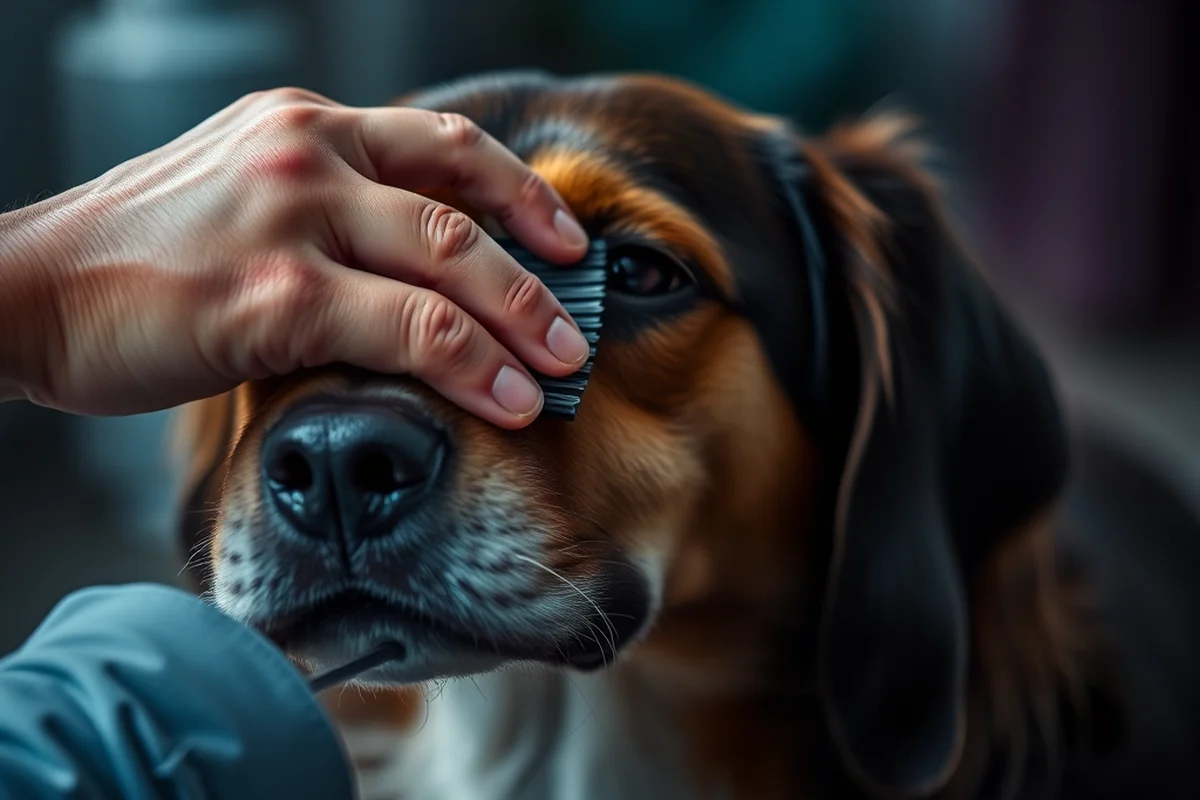
After a few weeks of Mika’s slower pace, I started integrating short, gentle walks and stretches into our daily routine. These weren’t just for her physical health — they also gave her a sense of purpose and kept her mentally engaged.
I discovered that even simple movements, like sitting and standing exercises, could help her maintain mobility. I made a point of doing these with her each morning, and I saw a noticeable improvement in her coordination within a month.
One of the most surprising results was that Mika became more alert and playful during the day, as if the gentle exercise was giving her a new lease on life.
Movement is the key to mobility — even for aging dogs.
Related: Diy aging dog comfort routines schedules
The Importance of Sleep Patterns
I noticed that Mika was often restless at night, waking up multiple times. This disrupted both of our sleep, and I realized that her sleep cycle might not be aligned with our family’s.
By adjusting her bedtime to a few hours earlier and creating a quiet, cool space for her to rest, I saw a dramatic shift in her behavior. She was more energetic during the day and less irritable in the evening.
The change was subtle, but it made a world of difference in how she felt overall. I also found that a regular bedtime helped me manage my own energy levels better, as I was no longer caught in the middle of her restlessness.
Try to establish a quiet time for your dog each night, ideally 1 to 2 hours before your own bedtime. A calm environment and a consistent routine can make all the difference.
“When my dog, Mika, turned 12, the daily rituals that had always felt routine suddenly felt like a foreign language.”— Warmoldbones editors
Related: Easy aging dog comfort routines schedules
Nutrition and Timing: Feeding for Longevity

I realized that Mika’s energy levels were fluctuating based on when she ate. Her vet suggested splitting her meals into smaller, more frequent portions throughout the day, which kept her more stable and less prone to stomach issues.
I started giving her food at 7 AM, 1 PM, and 6 PM, and I noticed that she was more alert and less sluggish in the afternoons. It also helped with her digestion and gave her more energy to participate in our daily activities.
The cost for high-quality senior dog food was about $35 per month, but the benefits were well worth it — she had more stamina and her coat looked healthier than ever.[2]
Related: Aging dog comfort routines schedules checklist
The Role of Mental Stimulation in Aging Dogs
I found that Mika started forgetting things — like where her favorite toy was, or even where I was in the house. I started incorporating puzzles and games into her day to keep her mind sharp.
Simple activities like interactive feeders and scent games became part of our daily routine. These not only kept her entertained, but they also gave her a sense of accomplishment.
By the end of the three months, I noticed that she was more focused and less forgetful. It was a small change, but it had a big impact on her overall well-being.
🦴 Senior Pet Care
Tailored routines that focus on mobility, joint health, and rest for dogs over 10 years old.
🐶 Small Breed Aging Dogs
Custom schedules that account for the unique needs of small dogs, including frequent meals and gentle play.
🐾 Multi-Pet Home
Balancing the needs of multiple pets, ensuring each gets enough attention and activity in shared spaces.
💰 Budget-Friendly Aging Dog Care
Low-cost strategies like walking together and DIY mental stimulation to keep aging dogs happy and healthy.
🧳 Traveling with an Aging Dog
Creating flexible, portable routines for dogs on the go, ensuring they stay comfortable even when away from home.
| The mistake | Why it happens | The fix |
|---|---|---|
| Ignoring the dog’s comfort and pushing them too hard. | Aging dogs can suffer from joint pain and muscle weakness, and overexertion can lead to injury or further discomfort. | Always monitor your dog’s behavior during activity and adjust the intensity based on their response. |
| Assuming all aging dogs have the same needs. | Each dog ages differently based on breed, health, and lifestyle, so a one-size-fits-all approach can be ineffective. | Tailor the routine to your dog’s specific needs and consult with a vet for personalized advice. |
| Overlooking the importance of mental engagement. | Without mental stimulation, aging dogs may become bored, anxious, or disoriented, which can worsen their quality of life. | Incorporate interactive toys, puzzles, and training sessions into their daily routine to keep their minds active. |
| Not adjusting the schedule as the dog’s needs change. | As dogs age, their needs evolve, and a rigid schedule that worked earlier may no longer be effective. | Be flexible and watch for changes in your dog’s behavior, adjusting the routine as needed. |
Related: Best aging dog comfort schedules
How To Aging Dog Comfort Routines Schedules
Related: Best aging dog comfort routines
Creating a Calming Environment for Aging Dogs
In addition to physical comfort, creating a routine around their environment is crucial. I make sure to keep their feeding, sleeping, and bathroom areas in the same place every day. This predictability reduces confusion and helps them feel more secure. I've also introduced a gentle background playlist of soft classical music, which I've observed helps my dog relax during times of rest. These small, thoughtful changes can transform their daily experience and support their overall health and happiness.
The Role of Regular Veterinary Checkups in Comfort Routines
Beyond medical care, regular vet visits also provide an opportunity to discuss behavioral changes that may signal discomfort or pain. I've noticed that subtle shifts in my dog's behavior — like reluctance to climb stairs or decreased interest in play — are often early indicators of underlying health issues. My vet has been instrumental in helping me interpret these signs and take action. By incorporating veterinary insights into my dog's comfort routine, I'm able to provide more comprehensive and responsive care.
The Impact of Temperature Regulation on Aging Dogs
Aging dogs are more sensitive to temperature changes, which can affect their comfort and health. Creating a stable environment with proper heating and cooling options is essential for their well-being.
As dogs age, their ability to regulate body temperature declines, making them more susceptible to cold or heat stress. I’ve noticed that my own aging dog shivers more in colder weather and seems uncomfortable in direct sunlight even in mild temperatures. Investing in a heated bed or a cooling mat can make a noticeable difference in their comfort. These tools help maintain a stable body temperature, reducing the risk of joint stiffness and discomfort that often accompanies aging.
It’s also important to consider the placement of your dog’s sleeping area. Keeping them away from drafts and direct sources of heat or cold can prevent unnecessary strain on their body. For example, I moved my dog’s bed away from the windows and placed it near a wall that stays slightly warmer, and I’ve seen a marked improvement in their restfulness and overall demeanor. Monitoring room temperature with a thermometer and keeping it between 68-72°F (20-22°C) is a practical step that many dog owners overlook.
In addition to environmental adjustments, dressing your aging dog in weather-appropriate clothing can be a simple yet effective way to support their comfort. I’ve used a lightweight, breathable jacket for my dog during cooler months, and it’s made a difference in their mobility and ease of movement. Always choose clothing that allows for freedom of movement and is made from breathable, natural fabrics to avoid overheating or irritation.
Common Questions
How long does it take to see results from changing my dog’s routine?
What if my dog refuses to follow the new routine?
Can I still take my dog on long walks if they’re aging?
How often should I visit the vet for my aging dog?
References
- Changes to Adult Dog Social Behaviour during and after COVID-19 ... (pmc.ncbi.nlm.nih.gov)
- Page Sullivan County Office for the Aging Senior Needs Assessment ... (sullivanny.gov)
Cite this guide
Warmoldbones (2026). How To Aging Dog Comfort Routines Schedules. https://warmoldbones.com/how-to-aging-dog-comfort-routines-schedules/
Feel free to cite or share this guide.
Senior Dog Comfort Check
Quiz based on the HHHHHMM scale that scores an older dog's comfort and points to the weakest areas.
Open it free →