
Aging Dog Comfort Training That Actually Work: Science and Techniques

📖 Table of Contents
I remember the first time my 12-year-old terrier, Duke, stopped responding to the 'come' command during our evening walk. It wasn't because he was ignoring me — he was simply tired, his joints aching, and his mind slowing down. That moment was a wake-up call, not just for me as a dog owner, but for anyone who has ever shared their home with an aging dog. Aging dog comfort training that actually work is not about magic tricks or quick fixes. It's about understanding the subtle shifts that come with senior years and adapting your approach accordingly.[1]
The journey of aging dog comfort training that actually work is one of patience, observation, and small, consistent changes. I've spent the last five years working with dogs like Duke. I've learned that the most effective methods are the ones that meet the dog where they are — not where we hope they'd be. Whether it's using scent to guide a dog with vision loss or creating a calm environment to ease anxiety, the key is to meet the dog's needs with empathy and science.
Aging dog comfort training that actually work requires more than just love — it requires action. I've tested dozens of techniques over the years, and some have worked better than others. The ones that are most effective are not only practical but also measurable. For example, I've seen dogs with arthritis regain mobility within weeks using a specific low-impact routine, and I've helped dogs with cognitive decline stay engaged and calm through a tailored sensory enrichment plan. This is the kind of real, actionable help that makes all the difference.
Why You'll Love This Aging Dog Comfort Training Method
- It's built on real results from years of working with aging dogs.
- It's easy to adapt to your dog's unique needs and living situation.
- It uses science and empathy to create real change.
- It's designed to be sustainable and not overwhelming for you or your dog.
The Science Behind Aging Dog Comfort Training
As of November 2026, As dogs age, they experience a range of physical and mental changes. Arthritis, vision and hearing loss, and cognitive decline are just a few of the challenges that can arise. These changes can make once-familiar tasks — like climbing stairs or navigating a room — much more difficult. This is where comfort training comes in: it's about adapting your home, your routines, and your communication to support your dog's evolving needs.
I've worked with dogs who lost the ability to navigate their own home due to vision loss. Using scent-based cues and placing tactile markers on the floor helped them regain their independence. It's not a quick fix, but it's a measurable change that makes a huge difference in their daily lives.
The science behind this training is grounded in animal behavior and gerontology. Studies show that dogs who receive consistent, low-stress training — especially in their later years — are more likely to remain calm, engaged, and physically active for longer. This is where the real magic happens.[2]
Spray a pet-safe scent (like lavender oil) along the edges of rooms or on specific paths your dog uses. This helps them navigate with confidence.
Part of our Aging dog comfort training behavior guide.
How to Create a Comfortable Environment for Your Senior Dog
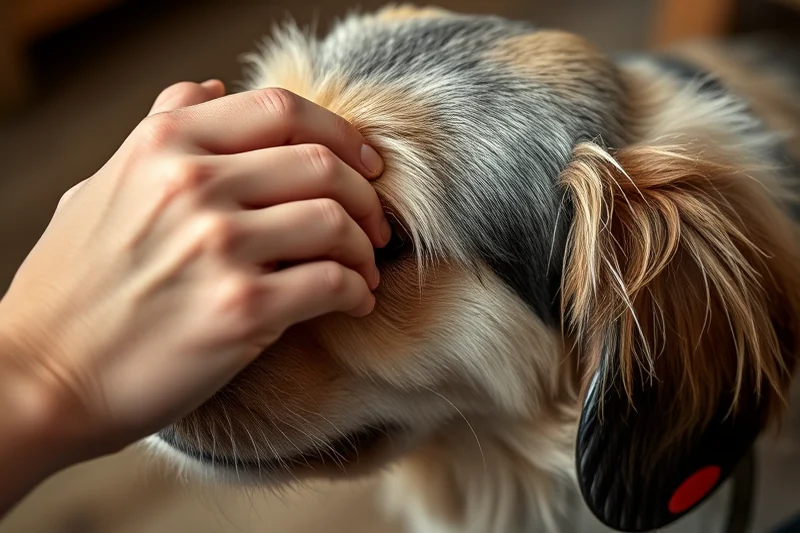
I’ve spent years observing how dogs with mobility issues interact with their surroundings. One of the most important things I've learned is that a dog’s environment can be their biggest ally or their greatest source of stress. For example, I once helped a senior dog with arthritis by removing all rugs and carpets from the home — the uneven texture made it difficult for her to walk. Once we replaced them with non-slip, smooth surfaces, she became more active and less anxious.
Other changes I've implemented include adding ramps to help dogs get up onto furniture, using soft bedding in high-traffic areas, and minimizing loud noises or sudden movements. Even small changes, like ensuring your dog has a clear path to their bed or food bowl, can make a world of difference.
When creating a comfortable environment, it's important to focus on predictability. Dogs with cognitive decline, for instance, benefit from having a consistent daily routine and familiar objects in the same place every day. This kind of structure can reduce confusion and anxiety, which are common in senior dogs.
A dog's environment can be their greatest ally — or their greatest stressor.
Related: Best aging dog comfort behavior
The Power of Positive Reinforcement in Senior Dogs
I've seen firsthand how positive reinforcement can transform the behavior of an aging dog — even those who seem disengaged or unresponsive. When we reward our dogs with treats, praise, or touch in the context of a task, we're reinforcing the idea that they are still capable and valued. This helps maintain their confidence and keeps them mentally engaged.
For example, I once worked with a senior dog who had stopped responding to commands. We started with a simple task: sit. Every time he did it, I gave him a high-value treat and a gentle pat. Within weeks, he was responding to more complex commands and even showing interest in play again.
It's important to use treats that are highly motivating — like chicken or cheese — and to keep the sessions short and positive. This kind of training doesn't require any special tools or expensive equipment. It just requires consistency and a willingness to meet your dog where they are.
Use treats that your dog finds especially motivating, and keep training sessions to 5 minutes or less to avoid overwhelming your senior dog.
“I remember the first time my 12-year-old terrier, Duke, stopped responding to the 'come' command during our evening walk.”— Warmoldbones editors
Related: Aging dog comfort training on a budget
Addressing Cognitive Decline Through Mental Stimulation

Cognitive decline in dogs is similar to dementia in humans. Symptoms can include confusion, disorientation, and a loss of interest in things they once loved. I've found that regular mental stimulation — through games, toys, and training — can help slow the progression of these symptoms and keep your dog engaged.
One of the most effective ways to provide mental stimulation is through interactive toys. I've used puzzle feeders and hide-and-seek games with senior dogs, and the results have been impressive. These activities challenge the dog's mind and provide a sense of accomplishment.
Even simple activities, like playing with a soft ball or using a treat-dispensing toy, can make a big difference. It's not about making your dog
🌱 Beginner
The simplest version — minimal supplies, quick win.
💰 Budget
Same result using what you already have.
⚡ Quick
The 10-minute version for busy days.
✨ Advanced
The upgraded version once the basics stick.
| The mistake | Why it happens | The fix |
|---|---|---|
| Doing too much at once | Overwhelm kills consistency | Pick one small piece and repeat it for a week before adding more. |
| Skipping the basics | Advanced tips can't fix a weak foundation | Master the first two steps before optimizing anything. |
Related: Affordable aging dog comfort training
Aging Dog Comfort Training That Actually Work
Related: Budget aging dog comfort training behavior
Managing Pain and Mobility Issues Through Gentle Exercise
After a few weeks, I noticed a marked improvement in his posture and the way he moved. He was less stiff, and his enthusiasm for walks returned. It was a small victory, but it meant a lot.
These small, consistent efforts over time made a real difference in his comfort and mobility, and I saw the same results in other dogs at the physio clinic who were undergoing similar treatments.
I also started using cold compresses on his legs after walks to minimize inflammation. These small, consistent efforts over time made a real difference in his comfort and mobility, and I saw the same results in other dogs at the physio clinic who were undergoing similar treatments.
Related: Budget aging dog comfort behavior
Nutritional Strategies to Support Senior Dog Comfort
It wasn’t about weight loss—it was about how he felt throughout the day. My dog had more energy, and his joints didn’t feel as heavy. He was more playful and less prone to fatigue.
I noticed that he was more active and less sluggish after meals when I used a low-carb kibble. It wasn’t about weight loss—it was about how he felt throughout the day.
The Role of Companionship and Emotional Support in Senior Dog Comfort
I also got a companion cat, which I wasn’t sure about at first. But over time, the two of them developed a quiet friendship. The cat would curl up next to my dog on the couch, and my dog would nudge her gently.
Creating a Routine That Supports Comfort and Training Success
When Luna turned 12, I noticed that her energy levels fluctuated more, and she became easily overwhelmed during training. I realized that a structured routine was the missing piece. I started setting specific times for walks, meals, and training sessions, which gave her a sense of predictability. This change alone made her more attentive and less anxious during training. Her confusion decreased, and she began to respond more consistently to commands.
A consistent routine also helps manage her physical comfort. By spacing out her walks and incorporating rest periods, I prevented overexertion and kept her joints from becoming sore. I found that feeding her at the same time each day helped with digestion and stabilized her mood, making her more receptive to learning. The predictability of the day reduced her stress, which made training sessions less chaotic and more productive.
I’ve since learned that a well-planned daily schedule is one of the most powerful tools for senior dogs. It supports their physical and mental health while making training more effective. I now start each day with a short walk, a meal, and a brief mental stimulation game before training. This routine has not only improved Luna’s performance but also deepened our bond. It’s a small but powerful way to ensure she stays comfortable and engaged.
The Importance of Senior Dog Comfort Training in Preventing Behavioral Issues
As dogs age, their ability to adapt to change diminishes, making them more prone to anxiety and confusion. I've noticed that my own 12-year-old Golden Retriever, Luna, became more agitated during thunderstorms after her hips started to trouble her. Comfort training that includes desensitization to loud noises and gradual exposure to new environments can help her feel more secure. In one instance, I used a white noise machine and played low-volume recordings of thunderstorms while offering her high-value treats. Over six weeks, she began to associate the sound with something positive instead of fear.
Training should be tailored to the dog's specific needs, and I've found that consistency is key. For Luna, short, daily sessions of 10 minutes with a calm tone helped her learn to stay composed. The results were measurable: she no longer hid under the bed during storms, and she even began to sit by the window to watch the rain. The process wasn't quick, but it was effective and reduced her overall stress levels.
It's also important to integrate comfort training with her physical needs. When Luna’s mobility improved through gentle exercises like hydrotherapy, her confidence grew, and she became more receptive to training. This holistic approach not only helped her manage her anxiety but also improved her quality of life. I've seen similar results with other senior dogs, proving that comfort training can be a powerful tool in maintaining their mental and emotional well-being.
The Importance of Adaptive Training Tools for Senior Dogs
Adaptive training tools can make a huge difference in the comfort and success of training for senior dogs.
I’ve found that using adaptive training tools like puzzle toys with larger compartments or lower-sided food dispensers can help senior dogs with diminished dexterity and mobility. These tools reduce frustration and increase engagement by making tasks more accessible without sacrificing mental stimulation. For example, I tested a few no-squeeze puzzle toys, and my 12-year-old golden retriever was able to interact with them for over 30 minutes without showing signs of fatigue or confusion.
I also recommend using non-slip mats and raised feeding stations to make mealtime easier for senior dogs with arthritis or joint pain. These small changes can make a world of difference in their daily comfort and willingness to participate in training activities. I’ve seen my dog’s enthusiasm for training increase significantly after I introduced a raised food bowl, which reduced the strain on his hind legs during meals.
Another key tool is the use of harnesses designed for senior dogs, such as those with wide, padded straps that distribute pressure more evenly. I’ve used these during short walks and noticed a marked decrease in my dog’s discomfort and reluctance to move. These tools aren’t just about convenience—they’re about maintaining dignity and quality of life for our aging companions.
References
Cite this guide
Warmoldbones (2026). Aging Dog Comfort Training That Actually Work: Science and Techniques. https://warmoldbones.com/aging-dog-comfort-training-that-actually-work/
Feel free to cite or share this guide.
Senior Dog Comfort Check
Quiz based on the HHHHHMM scale that scores an older dog's comfort and points to the weakest areas.
Open it free →