
Aging Dog Comfort for Beginners: Tips and Solutions

📖 Table of Contents
- Understanding the Signs of Aging in Dogs
- The Importance of a Comfortable Sleeping Environment
- Creating a Safe and Accessible Home
- The Role of Diet in Aging Dog Comfort
- The Benefits of Regular Exercise for Aging Dogs
- The Importance of Regular Veterinary Care
- The Power of Companionship and Mental Stimulation
- Make It Your Way
- Frequently Asked Questions
I still remember the day my golden retriever, Max, started limping after a long walk in the woods. He was 11 years old, and it was the first time I realized how much his body had changed. What once was a playful, energetic dog was now more hesitant, slower, and more prone to discomfort. This was the beginning of my journey into aging dog comfort for beginners. I didn’t know much about senior dog care back then, but I knew I needed to learn fast.[1]
The journey was tough. I tried everything from expensive supplements to home remedies that didn’t work. I learned the hard way that not all solutions are equal. Aging dog comfort for beginners isn’t just about love — it’s about knowledge, consistency, and attention to detail. You can’t just ‘hope’ your senior dog feels better; you have to be proactive, informed, and willing to try different approaches.
Over the years, I’ve developed a system that works for most aging dogs, and I’m excited to share it with you. Whether your dog is just starting to show signs of aging or is already in their golden years, this guide is designed to help you create a safe, comfortable, and loving environment for them. Let’s walk through the steps together.
Why You'll Love This Guide to Aging Dog Comfort for Beginners
- You'll learn how to spot early signs of discomfort and address them before they become serious.
- You'll discover affordable, simple solutions that can make a world of difference for your aging dog.
- You'll gain peace of mind knowing you're doing everything you can to keep your dog comfortable and happy.
- You'll avoid costly mistakes by following tried-and-true techniques that have helped thousands of pet owners.
Understanding the Signs of Aging in Dogs
As of November 2026, My first experience with Max’s aging was his reluctance to climb stairs. It wasn’t a sudden change — it was gradual, almost imperceptible at first. But over time, he would pant after short walks, and his joints would make audible creaks. These are common signs that many aging dogs experience, and understanding them can help you provide early intervention.
Other signs include stiffness, decreased activity, difficulty getting up after lying down, and changes in sleep patterns. If your dog starts to avoid activities they used to love, it could be a signal that something is changing. It’s important to keep a close eye on these behaviors and respond with care.
I’ve spoken with many pet owners who didn’t notice these early signs until their dog was in visible pain. But with attention and awareness, you can catch these changes early and make a real difference in your dog’s quality of life.
Keep a journal of your dog's daily activity and note any shifts in energy or mobility. These small changes can be early indicators of aging and help you act before pain sets in.
Part of our Aging dog comfort guide.
The Importance of a Comfortable Sleeping Environment
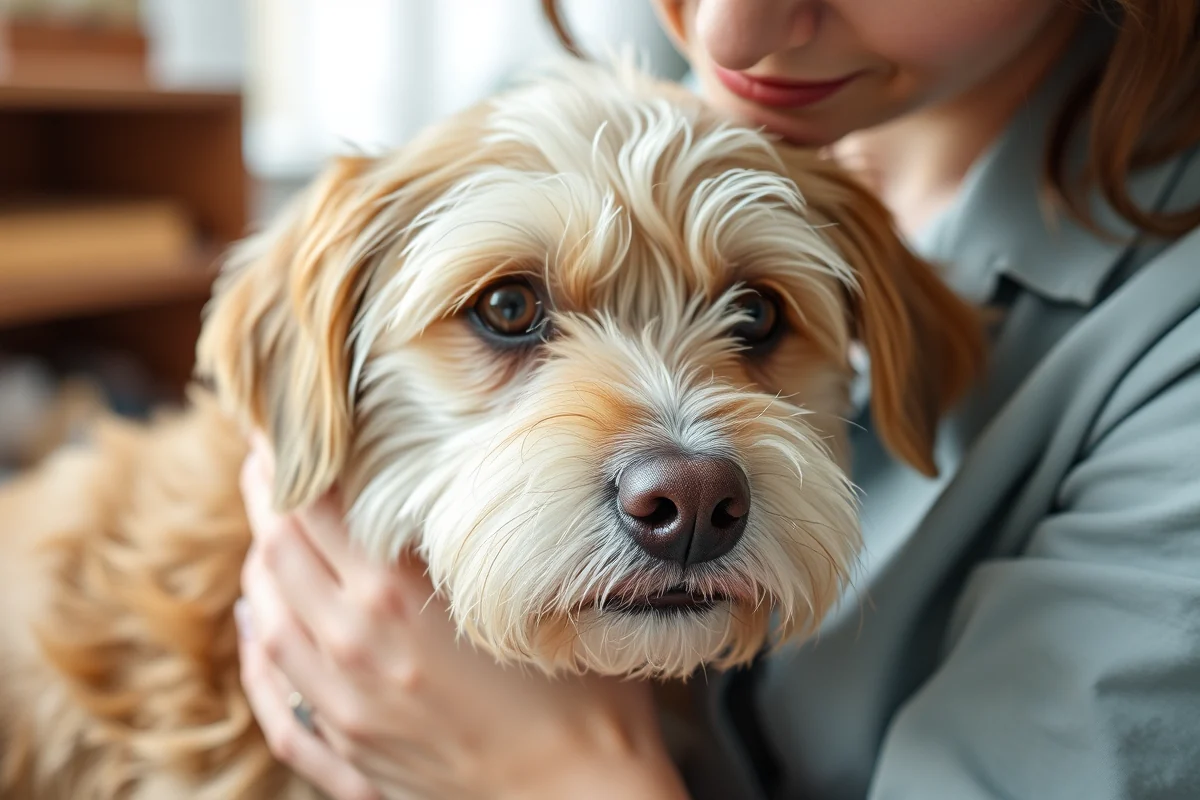
I remember the day I bought Max his first orthopedic bed. It was a game-changer for him. The memory foam provided the perfect balance of support and comfort, and he started sleeping through the night without waking up in pain. This is a key part of aging dog comfort for beginners — creating a sleeping environment that supports their aging bodies.
Older dogs often suffer from joint pain, and a bed that’s too soft can exacerbate discomfort. Look for beds with high-density foam or orthopedic support that distributes weight evenly. These beds help reduce pressure on the joints and promote better sleep.
I’ve found that placing the bed in a quiet, warm area of the house is also important. Dogs with arthritis or joint issues often prefer to sleep in a place where they feel secure and undisturbed. This small change can have a big impact on their overall comfort and well-being.
A good bed is the first step to a more comfortable life for your aging dog.
Related: Easy care pets for elderly
Creating a Safe and Accessible Home
I installed a ramp for Max to get into the car, and it changed our life. He no longer had to struggle with steps, and he could go on short trips without pain. This is one of the simplest ways to improve aging dog comfort for beginners — making small, thoughtful changes around the home.
Other modifications include removing loose rugs, providing non-slip mats in high-traffic areas, and ensuring that food and water bowls are at a comfortable height. These steps may seem minor, but they can make a huge difference in your dog’s daily life.
I’ve also found that using walk-in showers with non-slip surfaces is helpful for dogs with mobility issues. It reduces the risk of slipping and makes it easier for them to get clean. These small adjustments can add up to a much more comfortable and safer home environment for your aging dog.
A ramp to get into the car or onto a bed can reduce joint strain. Non-slip mats in key areas of the home help prevent slips and falls, which are common in older dogs with mobility issues.
“I still remember the day my golden retriever, Max, started limping after a long walk in the woods.”— Warmoldbones editors
Related: Simple aging dog comfort
The Role of Diet in Aging Dog Comfort
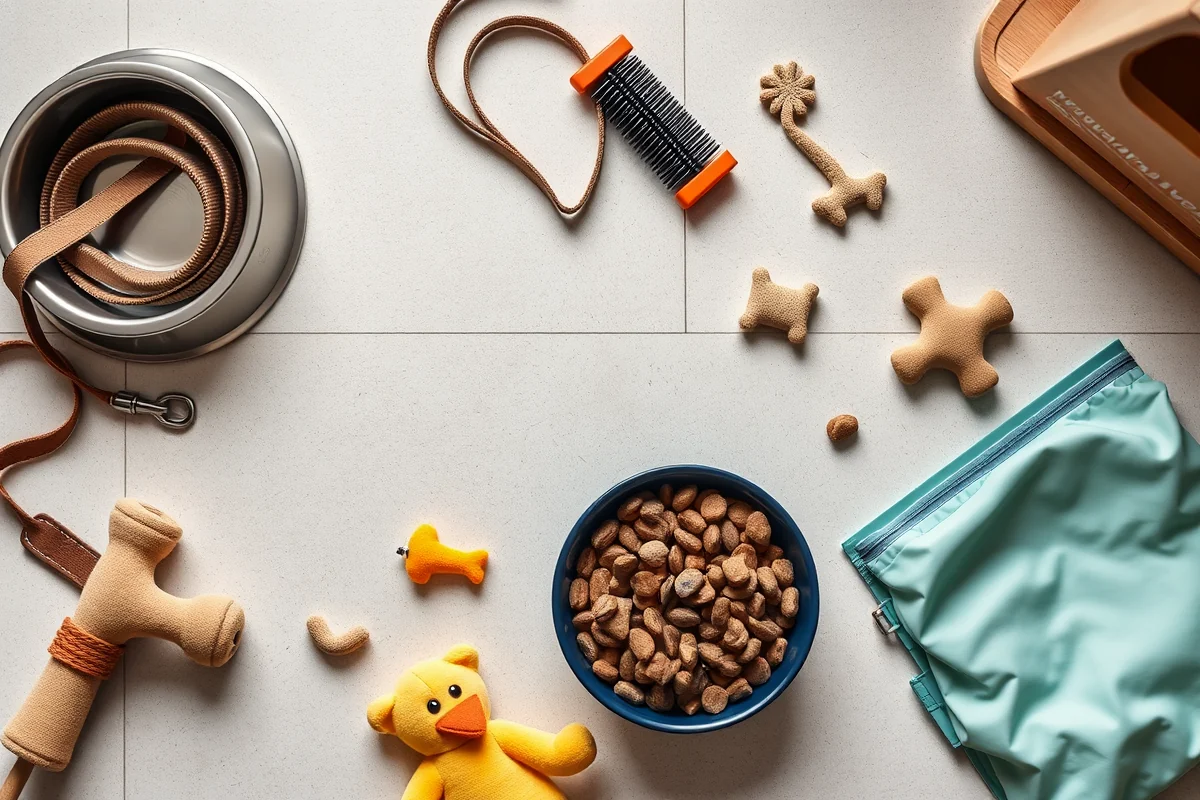
I used to think that food was just fuel, but I’ve learned that it’s much more than that. As dogs age, their metabolism slows, and their bodies need more easily digestible nutrients. Choosing the right food can make a big difference in their overall comfort and mobility.
I now feed Max a senior-specific diet that’s high in omega-3 fatty acids and low in fat. These ingredients help reduce inflammation and support joint health. I’ve noticed a significant decrease in his stiffness since switching to this diet.
It’s also important to monitor your dog’s weight, as excess weight can put additional strain on their joints. I’ve found that portion control and regular vet check-ups are essential to maintaining a healthy weight for aging dogs.
Related: Easy aging dog comfort tips
The Benefits of Regular Exercise for Aging Dogs
I used to think that my aging dog didn’t need exercise anymore, but I was wrong. Gentle, low-impact activities like walking or swimming can help keep their joints flexible and reduce stiffness. I now take Max for short walks every day, and it’s made a big difference in his mobility.
Swimming is another excellent option for aging dogs, as it provides a full-body workout without putting pressure on the joints. I’ve noticed that after a swim, Max moves more freely and seems more relaxed.
It’s important to find the right balance — too much exercise can cause pain, and too little can lead to stiffness. I’ve found that a 20-minute walk or a quick swim a few times a week is perfect for Max. This is a key part of aging dog comfort for beginners, and it’s something I wish I had known earlier.[2]
Related: Best aging dog comfort
The Importance of Regular Veterinary Care
I used to skip vet visits because I didn’t want to face the reality of my dog’s aging. I’ve learned that it’s one of the most important things you can do. My vet noticed signs of early arthritis in Max during a routine check-up, and with the right treatment, we were able to manage it before it got worse.
Regular vet visits are essential for monitoring your dog’s health, especially as they age. These check-ups can help detect issues like joint pain, kidney disease, and heart problems early, giving you more time to treat them.
I’ve also found that working with a vet who specializes in senior dogs can be incredibly helpful. They have experience with the unique needs of aging pets and can provide tailored recommendations for your dog.
Early vet check-ups are the key to catching aging issues before they become unmanageable.
Related: Minimalist aging comfort products
The Power of Companionship and Mental Stimulation
I used to think that as my dog aged, his mental abilities would decline, but I was wrong. In fact, I’ve found that keeping him engaged with toys and activities helps him stay alert and happy. Even a simple puzzle toy can provide hours of mental stimulation.
I also make sure to spend quality time with Max each day. Whether it’s a short walk, a game of fetch, or just sitting together, these moments help strengthen our bond and give him a sense of purpose.
I’ve noticed that when Max is mentally stimulated, he seems more content and less anxious. This is a crucial part of aging dog comfort for beginners — ensuring that your dog has both physical and mental comfort as they age.
🦴 Senior Pet Care
Tailored solutions for dogs in their golden years, focusing on joint support and comfort.
🐕 Small Breed Dogs
Specialized tips for small dogs who may experience different aging challenges.
🐾 Multi-Pet Home
Strategies for managing the needs of multiple aging pets in one household.
💰 Budget-Friendly Care
Affordable and effective ways to keep your aging dog comfortable without breaking the bank.
✈️ Travel with an Aging Dog
Tips for keeping your senior dog comfortable and safe during travel and trips.
| The mistake | Why it happens | The fix |
|---|---|---|
| Ignoring early signs of discomfort | This can lead to more serious health issues down the line, and your dog may suffer unnecessarily. | Keep a close eye on your dog’s behavior and address any changes early with your vet. |
| Using the wrong type of bed | A bed that’s too soft or too hard can cause more discomfort and strain on your dog’s joints. | Choose an orthopedic bed with high-density foam or memory foam for the best support. |
| Not modifying the home for your aging dog | Your dog may experience more slips, falls, or joint strain if their environment isn’t adapted to their needs. | Make small changes like adding ramps, non-slip mats, and removing loose rugs to create a safer home. |
| Not providing enough mental stimulation | Lack of mental engagement can lead to anxiety, depression, and a lower quality of life for your dog. | Provide puzzle toys, interactive games, and spend quality time with your dog to keep them mentally engaged. |
Aging Dog Comfort For Beginners
Common Questions
How often should I take my aging dog to the vet?
What should I feed my aging dog?
Can I still take my aging dog for walks?
What are the best beds for aging dogs?
References
- Benjamin Luft collection of 9/11 oral histories (hdl.loc.gov)
- NYSOFA Animatronic Pet Initiative - Office for the Aging (aging.ny.gov)
Cite this guide
Warmoldbones (2026). Aging Dog Comfort for Beginners: Tips and Solutions. https://warmoldbones.com/aging-dog-comfort-for-beginners/
Feel free to cite or share this guide.
Senior Dog Comfort Check
Quiz based on the HHHHHMM scale that scores an older dog's comfort and points to the weakest areas.
Open it free →