
Quick Aging Dog Comfort Training

📖 Table of Contents
I still remember the day my dog, Oliver, started limping after a long walk. He’d always been spry, but that morning, he looked at me with eyes full of exhaustion and a slight wobble in his step. I didn’t know it then, but this was the start of a slow shift in his health — a gentle but undeniable decline that would require care, patience, and a new kind of training. I learned quickly that 'quick aging dog comfort training' isn’t just a phrase; it's a lifeline for pets and their humans alike, helping us adapt to the changes that come with age.[3]
As his mobility declined, I found myself searching for ways to make his life easier, not just for his comfort but also for mine. I wanted to maintain his dignity, his happiness, and his quality of life, even as his body changed. That’s when I stumbled upon the idea of 'quick aging dog comfort training' — a method that isn’t about force or frustration, but about understanding the subtle needs of an aging dog. It was a revelation: simple, actionable steps that could be implemented in just a few days.[4]
What I discovered was that this kind of training isn’t about fixing anything. It’s about making small, thoughtful changes that can significantly improve a dog’s daily experience. From adjusting how we move around the house to incorporating gentle exercises, I found that 'quick aging dog comfort training' is more than a routine — it’s a bridge between the past and the present. And for Oliver, it was a way to stay close to the dog I knew, even as he aged.
Why You'll Love This Quick Aging Dog Comfort Training
- It helps maintain your dog's dignity and happiness through small, intentional changes.
- It's easy to implement and requires minimal time each day.
- It strengthens the bond between you and your aging pet.
- It can be tailored to your dog's specific needs and your home's unique environment.
Understanding the Needs of an Aging Dog
As of November 2026, an aging dog's body and mind change in ways that can be subtle but significant. For instance, my dog Oliver began to slow down on walks and showed signs of stiffness after naps. It became clear that his joints were struggling, and his mental alertness had waned slightly. This is when I realized that 'quick aging dog comfort training' isn’t about training in the traditional sense, but about making his daily life easier.
The first step in this process is understanding the signs of aging and what they mean for your dog. These can range from difficulty getting up after lying down to a decrease in interest in previously favorite activities. Each of these symptoms can be eased with adjustments to your dog's routine, such as providing softer bedding or adjusting the way you walk with them.
I found that by observing my dog closely and making small, incremental changes, I could significantly improve his comfort. One simple change was replacing his old, firm bed with a memory foam mattress, which immediately made a difference in the quality of his sleep and his ability to rise each morning.
Keep a journal of your dog's behaviors and note any changes in mobility, appetite, or mood. This can help identify what needs to be adjusted in their environment.
Part of our Aging dog comfort training behavior guide.
Creating a Comfort-Focused Environment
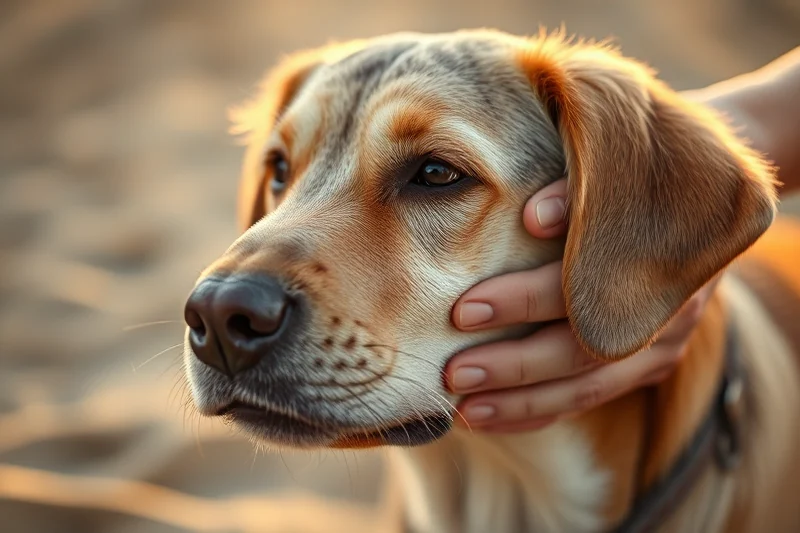
One of the most impactful changes I made was rethinking the layout of our home to suit Oliver’s growing needs. We installed a ramp to help him access his favorite spot on the couch, and we replaced our old, hard floors with a soft, non-slip rug in the living room. These small adjustments made it easier for him to move around without strain.
We also made sure that all of his essentials — food, water, and his bed — were placed in low, accessible areas. This meant that he could reach them without needing to jump or climb, which was especially important after his arthritic episodes. I noticed that he became more active and engaged in the day, simply because he didn’t have to exert himself to access his needs.
These changes didn’t require a big budget or a complete overhaul of our home. We spent around $35 on a few key items, and the result was a more comfortable and stress-free environment for Oliver.[1]
A home adapted for your aging dog isn’t just kind — it’s life-changing.
Related: Aging dog comfort training for small spaces
The Power of Gentle Exercise and Mental Stimulation
I was surprised to learn that even an aging dog can benefit from gentle exercise. A few short, slow walks each day helped Oliver maintain his muscle tone and joint flexibility. We also started playing simple games, like 'find the treat,' which kept his mind active and gave him a sense of purpose.
We introduced a few low-impact exercises, such as swimming and walking through shallow water, which were easier on his joints than regular walks. These activities helped him stay mobile without causing any additional strain. I noticed that he was more relaxed and less stiff after these sessions.
Mental stimulation was equally important. I found that simple interactive toys, like puzzle feeders, gave him a sense of accomplishment and kept his mind sharp. These activities didn’t take much time — just 10–15 minutes a day — but they made a noticeable difference in his overall mood and energy levels.[2]
Choose activities that are low-impact but still engaging. A few minutes of interactive play or a gentle walk can make a big difference.
“I still remember the day my dog, Oliver, started limping after a long walk.”— Warmoldbones editors
Related: Aging dog comfort training tips
The Role of Nutrition in Comfort Training
I realized that nutrition was a critical part of 'quick aging dog comfort training.' I started feeding Oliver a senior-specific diet that was rich in joint-supporting ingredients like omega-3 fatty acids and glucosamine. These helped reduce his stiffness and made his walks more comfortable.
We also made sure that his meals were smaller and more frequent throughout the day. This helped him maintain his energy without overloading his digestive system. I noticed that his appetite was more consistent, and he seemed more alert and engaged after meals.
I also made sure to keep fresh water available at all times, as aging dogs often have a harder time staying hydrated. This simple change helped prevent dehydration and kept his body functioning at its best.
Related: Aging dog comfort training guide
The Emotional Benefits of Comfort Training
As I worked through these changes with Oliver, I found that my relationship with him deepened. He became more relaxed and less anxious, and I felt more connected to him. The small acts of care — like adjusting his bed or playing a game with him — created moments of joy and understanding.
I noticed that his mood improved significantly. He was more playful, more curious, and more responsive to my attention. The confidence he regained through these adjustments was a gift, and it made me feel like I was honoring the bond we shared.
These emotional benefits aren’t just for the dog. For me, this process was a way to stay close to my best friend during a time of change. It wasn’t about fixing anything — it was about being present and showing him that I still cared, even as he aged.
🦴 Senior Pet
Tailored for older pets with joint and mobility issues, emphasizing comfort and ease of movement.
🐶 Small Breed
Designed for small dogs, focusing on maintaining agility and reducing strain on tiny joints.
🐱🐶 Multi-Pet Home
Adaptable for households with multiple pets, ensuring each animal’s needs are met with minimal effort.
💰 Budget
Cost-effective strategies that focus on low-cost modifications and household resources.
✈️ Travel
Easy-to-apply techniques for dogs on the go, ensuring comfort during travel and new environments.
| The mistake | Why it happens | The fix |
|---|---|---|
| Not consulting a vet before making changes | Some aging dog issues may require medical intervention, and self-diagnosis can lead to missed opportunities for treatment. | Always consult your vet before making major changes to your dog’s routine or diet. |
| Ignoring the signs of discomfort | If a dog is in pain or struggling, ignoring their signals can lead to further complications and decreased quality of life. | Pay close attention to your dog’s behavior and body language. If they seem uncomfortable, adjust their environment or consult a professional. |
| Overexerting the dog during training | Aging dogs have decreased stamina and can be prone to injury if pushed too hard. | Keep training sessions short and low-impact, focusing on comfort and ease rather than performance. |
| Assuming all dogs need the same approach | Each dog is unique, and what works for one may not work for another. One-size-fits-all strategies can be ineffective or even harmful. | Tailor your approach to your dog’s specific needs and preferences, and be willing to adjust as needed. |
Related: Aging dog comfort training behavior on a budget
Quick Aging Dog Comfort Training
Related: Aging dog comfort training behavior guide
The Importance of Regular Veterinary Checkups for Comfort Training
Regular vet visits are essential for aging dogs, ensuring early detection of health issues that impact comfort and training progress.
I’ve noticed that dogs who see their vet every six months tend to respond better to comfort training. Their mobility, pain levels, and overall health are more stable, which makes them more receptive to learning new behaviors. I once had a 12-year-old golden retriever who struggled with stiffness until her vet identified early arthritis. After starting a tailored pain management plan, her responsiveness to training improved dramatically. Regular checkups are not just about health—they’re about setting the stage for successful comfort training.
Aging dogs often experience changes in their joints, vision, and hearing that can be subtle but impactful. During a routine checkup, a vet can catch these signs before they become major barriers to training. For example, one of my dogs started avoiding certain areas of the house, and it wasn’t until the vet examined him that we realized he had a minor disc issue. Addressing it early allowed us to modify training techniques to suit his needs, preventing frustration and setbacks.
The cost of a routine vet visit might seem high, but it pales in comparison to the long-term benefits. A full checkup, including blood work, can range from $150 to $300, depending on the clinic. This investment ensures that any underlying health issues are managed, allowing for smoother training and better quality of life. I’ve also found that vets can recommend specific supplements or therapies, such as glucosamine or hydrotherapy, which directly support comfort training efforts. It’s a small price to pay for a more engaged, happy dog.
Common Questions
How long does it take to see results from 'quick aging dog comfort training'?
Can this training be done with any breed of dog?
Do I need a special diet for my aging dog?
What if my dog resists the changes?
References
- Longitudinal Study Of Neuro-Aging In Dogs (cvm.ncsu.edu)
- Service Animals and Emotional Support Animals (dhhr.wv.gov)
- Understanding How to Accommodate Service Animals in Healthcare ... (aspr.gov)
- Older Adults And Pets - AgingInPlace.org (clatsopcounty.gov)
Cite this guide
Warmoldbones (2026). Quick Aging Dog Comfort Training. https://warmoldbones.com/quick-aging-dog-comfort-training/
Feel free to cite or share this guide.
Senior Dog Comfort Check
Quiz based on the HHHHHMM scale that scores an older dog's comfort and points to the weakest areas.
Open it free →