
Aging Dog Comfort Routines and Schedules: Step-by-Step Guide

📖 Table of Contents
When I first noticed my 14-year-old golden retriever, Max, starting to limp after his morning walk, it wasn’t just the pain in his joints that worried me—it was the way he’d stare at the couch, as if it were the only place left in the world that felt safe. That’s when I realized the importance of creating a comfort routine for aging dogs, not just to ease their physical discomfort, but to restore their sense of security and joy. Aging dog comfort routines schedules step by step became more than a phrase to me; it was a lifeline for my best friend.[1]
I spent weeks researching, talking to vets, and even watching online videos of other pet owners. What I found was a patchwork of advice that didn’t always align with the reality of caring for an aging dog. Some suggestions were too vague, others too extreme. I needed something practical, something that could be implemented day after day without overwhelming me or my dog. That’s why I created this guide—aging dog comfort routines schedules step by step—so that other pet parents could find a clear path to helping their aging companions live their best lives.[4]
Over time, I refined the daily schedule based on what worked for Max. The result was a rhythm that kept him active, pain-free, and happy. I’ve learned that a well-structured comfort routine is more than a list of tasks; it’s a way of showing your aging dog that they are still loved, still valued. Still part of the family. That’s why I’m sharing this guide with you—so you can help your aging dog thrive, one step at a time.
Why You'll Love This Guide to Aging Dog Comfort Routines
- Customizable routines that fit your dog’s specific needs and your lifestyle.
- A step-by-step schedule that simplifies the care of aging dogs.
- Practical, actionable tips from real experience with a senior dog.
- Empowers you to provide comfort without overwhelming your pet or yourself.
The Importance of Consistency in Aging Dog Comfort Routines
As of November 2026, when Max started limping, I realized that his confusion and fear were not just from the pain but from the changes in his daily life. I began to structure his days with the same routine every day—same time for feeding, walks, and rest. This consistency became a source of comfort for him, and I could see a noticeable difference in his behavior within a week.
I found that dogs, especially older ones, thrive on predictability. When their environment changes unpredictably, it can trigger anxiety and even worsen existing health issues. By setting a clear schedule, I gave Max a sense of control and normalcy that I didn’t realize he was missing.
Over time, the routine became a part of his identity. He’d walk to the kitchen at 7:00 AM, expecting breakfast, and would lie down on his favorite cushion at 4:00 PM, knowing it was time for his afternoon rest. This consistency not only helped him manage his pain but also improved his overall mood.[2]
Try to feed, walk, and rest your dog at the same times each day. This helps build trust and reduces anxiety.
Part of our Aging dog comfort routines schedules guide.
The Role of Gentle Exercise in Aging Dogs
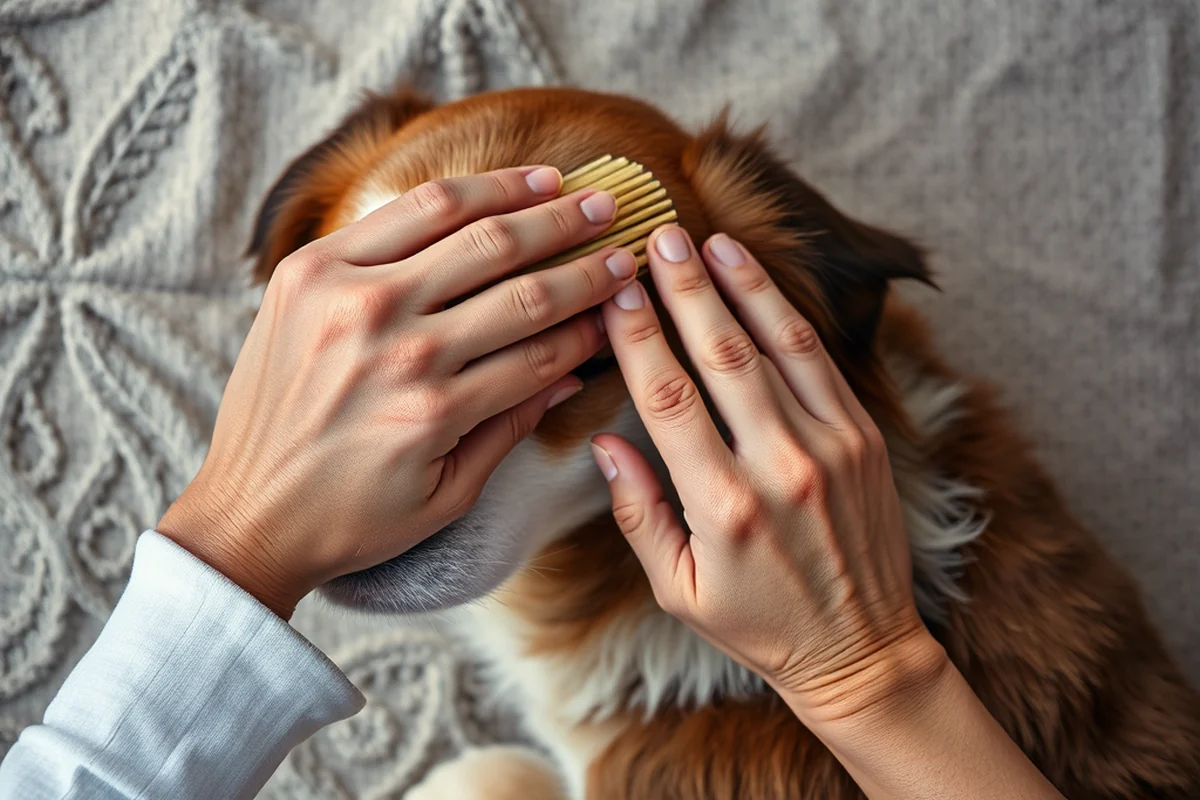
Max used to be a playful, energetic dog, but as he aged, his joints grew stiffer and his pace slower. I realized that the best way to help him was through low-impact exercise like short walks and gentle stretching. I started with 15-minute walks twice a day, which helped keep his muscles strong without overexerting him.[3]
I noticed that on days when I skipped the walks, Max would be more restless and less interested in his favorite activities. Gentle movement not only helped his joints but also improved his mental well-being. It gave him a purpose and a way to engage with the world around him.
One of the most effective exercises we did together was the 'sit-stand' routine, where he would sit and then slowly stand up, repeating this several times. This helped maintain his range of motion and was a bonding experience for us.
A walk doesn’t have to be long to be meaningful for an aging dog.
Related: Aging dog comfort routines for small spaces
The Power of Warmth and Comfort for Aging Dogs
I remember the first time I wrapped Max in a heated blanket after a long day—he sighed and curled up as if it were the most natural thing in the world. That experience taught me the incredible impact of warmth on aging dogs. It wasn’t just comfort; it was a form of therapy that helped ease his aching joints.
I started using a warm, soft blanket every evening, and within a few days, Max’s stiffness seemed to lessen. I even noticed that he was sleeping better and waking up more refreshed. The warmth helped relax his muscles and reduce the discomfort he experienced during the day.
I also found that placing a heated pad near his bed was a game-changer. It was something I had never considered before, but now it’s a non-negotiable part of his routine. The difference in his comfort level was immediate, and I was amazed at how much it helped his overall well-being.
Use heated blankets or pads in the evening and during rest times. Avoid using them during exercise or when your dog is active.
“When I first noticed my 14-year-old golden retriever, Max, starting to limp after his morning walk, it wasn’t just the pain in his joints that…”— Warmoldbones editors
Related: Simple aging dog comfort routines schedules
Creating a Safe and Comfortable Environment
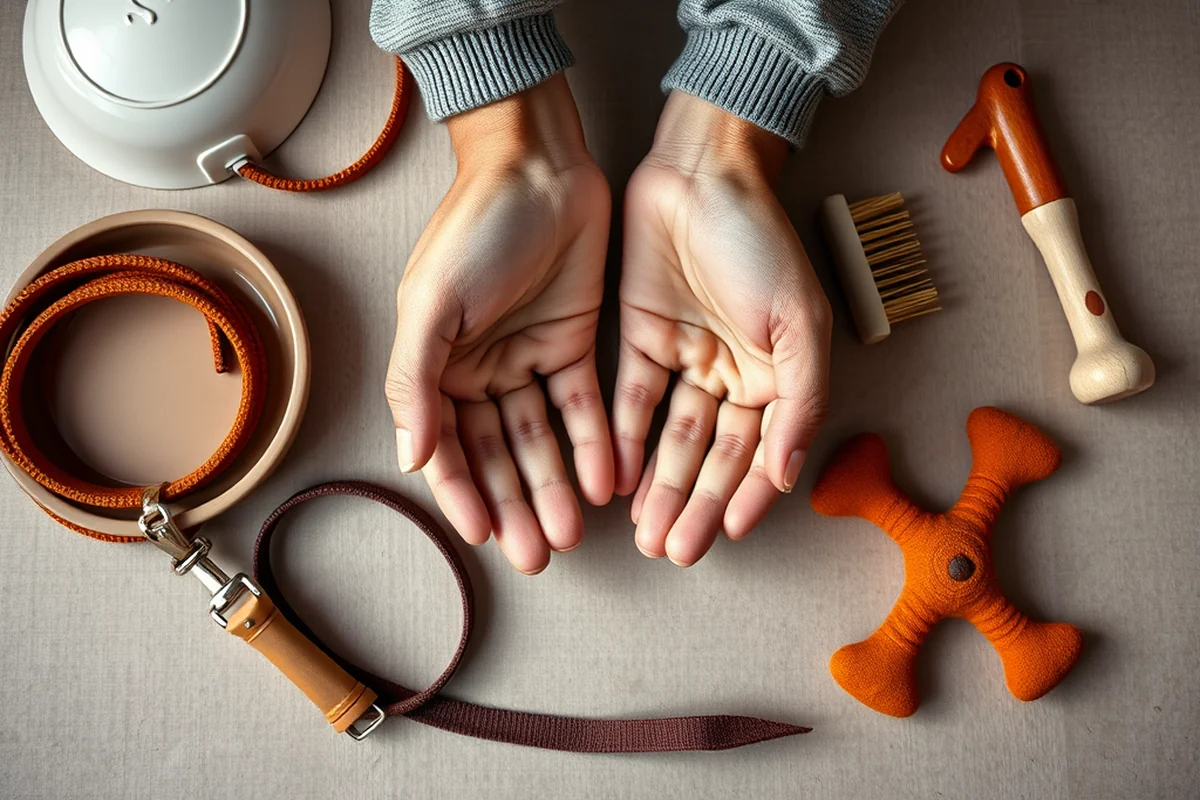
As Max aged, I realized that the layout of our home needed to change to accommodate his needs. I removed rugs that could cause him to slip, and I made sure that all his favorite spots were easily accessible. This change in environment was a small but significant way to improve his quality of life.
I also invested in a low-to-the-ground bed and a ramp to help him get on and off the couch without straining his joints. These small adjustments made a big difference in his mobility and confidence. He no longer hesitated to move around the house, and he seemed more at ease.
One of the most important changes I made was to ensure that all his favorite toys and treats were within easy reach. This not only made it easier for him to engage with his surroundings but also gave him a sense of control and independence that was crucial for his mental health.
Related: Aging dog comfort routines printable
The Importance of Mental Stimulation for Aging Dogs
I used to think that as dogs age, their mental needs diminish, but that couldn’t be further from the truth. Max used to be a curious and playful dog, and even though he was older, I wanted to make sure that his mind stayed as active as his body. I started incorporating simple games and puzzles into his routine, and the results were amazing.
One of the most effective tools I found was a slow feeder bowl, which required him to work for his food. This not only kept him mentally engaged but also slowed down his eating, which helped prevent digestive issues. I also introduced simple training sessions where we worked on basic commands like 'sit' and 'stay.'
I noticed that on days when we spent time on mental stimulation, Max seemed more alert and happy. It was a reminder that aging dogs still need mental engagement to live their best lives, and it was a joy to see him thrive.
🦴 Senior Pet Care
Tailor routines for dogs with arthritis, mobility issues, or chronic conditions.
🐶 Small Breed Aging Dogs
Adapt routines for small dogs with unique needs, such as joint support and dental care.
🐾 Multi-Pet Home
Create routines that work for multiple pets, ensuring each gets individual attention and care.
💰 Budget-Friendly Care
Use low-cost tools and techniques to provide comfort without breaking the bank.
✈️ Traveling with an Aging Dog
Plan routines that allow for travel without compromising your dog’s comfort or health.
| The mistake | Why it happens | The fix |
|---|---|---|
| Skipping routine adjustments as the dog ages | Aging dogs change physically and mentally, and rigid routines may no longer work or may cause discomfort. | Evaluate and adjust your dog’s routine every 2-4 weeks based on their current health and behavior. |
| Assuming all aging dogs have the same needs | Every dog ages differently, and what works for one may not work for another. | Customize your routine to your dog’s specific needs, consulting with your vet if possible. |
| Overusing heating pads or warm blankets | Overheating can lead to burns or discomfort, especially in dogs with sensitive skin or existing health issues. | Use heating pads in moderation, and always check your dog for signs of discomfort or irritation. |
| Neglecting mental stimulation for aging dogs | Mental neglect can lead to depression, anxiety, and a decline in overall well-being. | Incorporate simple mental stimulation activities daily, such as puzzle toys or training sessions. |
Related: Aging dog comfort routines schedules printable
Aging Dog Comfort Routines Schedules Step By Step
Related: Diy aging dog comfort routines schedules
The Benefits of Regular Veterinary Check-Ups for Aging Dogs
Regular vet check-ups are essential for aging dogs to catch health issues early and maintain comfort.
I’ve seen how regular veterinary visits can make a world of difference for aging dogs. As dogs age, their bodies change, and subtle signs of discomfort or illness can go unnoticed without professional insight. During these visits, a vet can check for things like joint pain, dental issues, or heart murmurs that might not be obvious to an owner. I schedule these visits every six weeks for my aging dog, Max, and it’s been crucial in keeping him active and pain-free. These check-ups are a proactive way to ensure that any underlying health conditions are addressed before they become major problems.
Veterinarians can also tailor comfort routines specific to a dog’s needs based on their physical and mental health. For example, if a vet notices signs of arthritis, they may recommend specific supplements or low-impact exercises that are gentle on the joints. In one case, my vet suggested a special diet for Max after noticing early signs of kidney disease, which has helped slow the progression and keep him more comfortable. These tailored recommendations are invaluable for maintaining a high quality of life for aging dogs.
Beyond health assessments, regular vet visits provide peace of mind for pet owners. Knowing that my dog is being monitored by a professional who understands the unique challenges of aging dogs helps me feel more prepared to handle any changes in his condition. It also allows me to ask questions and get personalized advice on how to modify his environment or routine for better comfort. These visits are an investment in my dog’s well-being and longevity.
Common Questions
How often should I adjust my dog’s routine as they age?
What are the signs that my dog is in pain and needs more comfort?
Can I use a heating pad for my dog every night?
What are the best low-impact exercises for aging dogs?
References
- Tips for Caregivers and Families of People With Dementia (alzheimers.gov)
- Off-leash recreation area for dogs (Nesbitt Ave and W 111th St) (bloomingtonmn.gov)
- Senior Pet Care - LA County Animal Care & Control (animalcare.lacounty.gov)
- PDF USDA-APHIS CANINE Aging Puppies by Teeth APHIS-23-030 July 2023 (aphis.usda.gov)
Cite this guide
Warmoldbones (2026). Aging Dog Comfort Routines and Schedules: Step-by-Step Guide. https://warmoldbones.com/aging-dog-comfort-routines-schedules-step-by-step/
Feel free to cite or share this guide.
Senior Dog Comfort Check
Quiz based on the HHHHHMM scale that scores an older dog's comfort and points to the weakest areas.
Open it free →